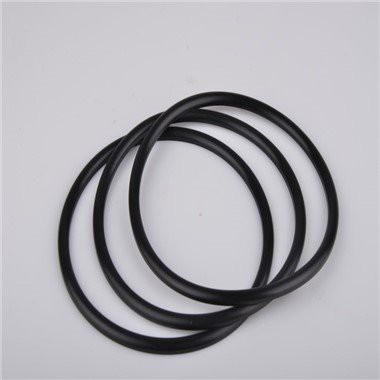

Hey there! I'm a supplier of rubber molded parts, and today I wanna chat about the chemical resistance properties of these parts. It's a super important topic, especially if you're in an industry where your rubber parts come into contact with all sorts of chemicals.
First off, let's understand what chemical resistance in rubber molded parts means. Chemical resistance refers to a rubber's ability to withstand the effects of various chemicals without significant degradation. This can include things like swelling, hardening, losing strength, or changing shape. When rubber parts are used in environments where they're exposed to chemicals, having good chemical resistance is crucial to ensure their performance and longevity.
There are different types of rubber materials, and each has its own unique chemical resistance profile. For example, nitrile rubber (NBR) is well - known for its excellent resistance to oils and fuels. This makes it a popular choice for automotive applications, like Auto Rubber Bushing. In cars, there are all kinds of oils and fuels circulating, and if the rubber bushings weren't resistant to these chemicals, they'd quickly break down. The nitrile rubber can maintain its integrity even when in constant contact with these substances, which helps to keep the vehicle's suspension and other components working properly.
Another type of rubber is EPDM (ethylene - propylene - diene monomer). EPDM has great resistance to weathering, ozone, and many chemicals like acids and alkalis. This makes it suitable for outdoor applications. Imagine a piece of rubber molded part used in a water treatment plant. It's going to be exposed to various chemicals in the water, such as chlorine and other disinfectants. EPDM can handle these chemicals well, so it won't deteriorate easily. It's also used in roofing applications, where it has to withstand the elements and possible chemical runoff from the building materials.
Silicone rubber is also a popular choice. It has good resistance to high temperatures and a wide range of chemicals. Silicone Umbrella Valve is a great example. These valves are often used in medical devices, food and beverage equipment, and other applications where they might come into contact with different chemicals and substances. Silicone rubber can maintain its flexibility and sealing properties even when exposed to chemicals, which is essential for the proper functioning of the valves.
Now, let's talk about some factors that can affect the chemical resistance of rubber molded parts. The concentration of the chemical is a big one. Higher concentrations of chemicals are generally more likely to cause damage to the rubber. For instance, a low - concentration acid solution might not have much of an effect on a rubber part, but a highly concentrated one could cause it to break down quickly.
The temperature also plays a role. Higher temperatures can speed up the chemical reactions between the rubber and the chemicals. So, if a rubber part is in a hot environment and is exposed to chemicals at the same time, it's more likely to experience degradation.
The duration of exposure is another factor. If a rubber part is only briefly exposed to a chemical, it might not be affected as much as if it's in constant contact with the chemical over a long period.
When it comes to testing the chemical resistance of rubber molded parts, there are several methods. One common way is to immerse a sample of the rubber in the chemical for a certain period and then measure any changes in its properties, such as weight, hardness, and tensile strength. This gives an idea of how the rubber will perform in a real - world situation.
We also need to consider the compatibility of the rubber with different chemicals. Some chemicals might be completely incompatible with certain types of rubber. For example, some solvents can dissolve certain rubbers. So, it's important to choose the right rubber material based on the chemicals it will be exposed to.
As a rubber molded part supplier, I know how important it is to provide our customers with parts that have the right chemical resistance properties. We work closely with our customers to understand their specific needs. Whether they're in the automotive, medical, or any other industry, we can recommend the most suitable rubber material for their application.
Let's take a look at a real - world example. Suppose you have a step ladder, and you want to add rubber feet to it. Abru Step Ladder Rubber Feet are a great choice. These rubber feet might be exposed to all sorts of chemicals on the floor, like cleaning agents. We use a rubber material that has good chemical resistance to these common floor - cleaning chemicals. This ensures that the rubber feet won't break down easily, providing long - lasting grip and stability for the ladder.
In conclusion, the chemical resistance properties of rubber molded parts are essential for their performance and durability. Different rubber materials have different chemical resistance profiles, and factors like concentration, temperature, and duration of exposure can affect how the rubber performs. As a supplier, we're committed to providing high - quality rubber molded parts with the right chemical resistance for our customers' needs.
If you're in the market for rubber molded parts and need parts with specific chemical resistance properties, don't hesitate to get in touch. We can have a detailed discussion about your requirements and find the best solution for you. Whether it's for a small - scale project or a large - scale industrial application, we're here to help. Let's work together to ensure that your rubber parts can withstand the chemicals they'll be exposed to and perform at their best.


References
- "Handbook of Elastomers" by K. C. Frisch and H. L. Frisch
- "Rubber Technology" by Maurice Morton