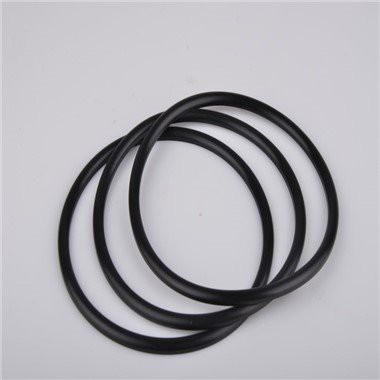

Hey there! As a supplier of solid rubber gaskets, I often get asked about the salt - spray resistance of these little yet crucial components. In this blog, I'll break down what salt - spray resistance is all about for solid rubber gaskets, why it matters, and how we ensure our gaskets meet the requirements.
What is Salt - Spray Resistance?
Let's start with the basics. Salt - spray resistance refers to how well a material can withstand the corrosive effects of salt in a spray form. In the real world, this usually means areas close to the ocean, where the air is thick with saltwater mist, or in industrial settings where salt is used in processes.
When it comes to solid rubber gaskets, salt - water can gradually break down the rubber over time. This breakdown can lead to a bunch of problems. For example, it can cause the gasket to lose its elasticity, which is super important for creating a good seal. Once the gasket loses its shape and flexibility, it won't be able to seal properly, allowing water, air, or other substances to leak through.
Why Salt - Spray Resistance Matters for Solid Rubber Gaskets
You might be wondering, "Okay, so salt can damage rubber gaskets. But why does it really matter?" Well, in many applications, a proper seal is crucial.
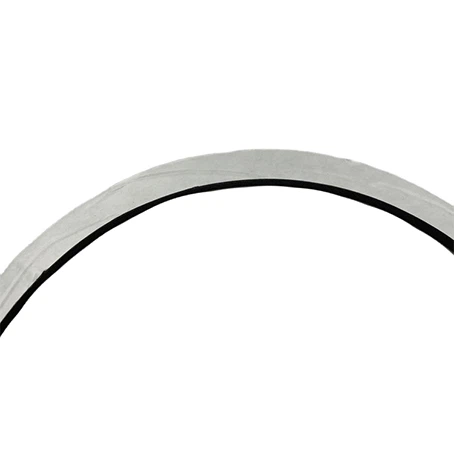
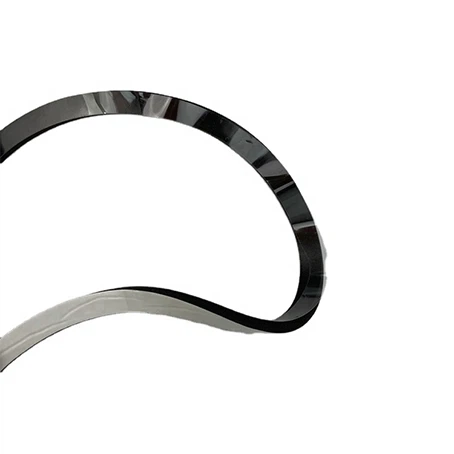
Take Rubber Gasket For Solar Panels as an example. Solar panels are often installed outdoors, and in coastal areas, they're exposed to salt - laden air. A gasket with poor salt - spray resistance can deteriorate quickly. This can lead to water seeping into the solar panel, which can damage the internal components and reduce the panel's efficiency.
Another example is Weather Stripping Gasket. These gaskets are used to seal doors and windows, preventing air and water from getting in. In coastal regions, if the weather stripping gasket can't resist salt - spray, it will degrade. This means that during storms or high - humidity days, your home could end up getting flooded or losing heat, leading to higher energy bills.
In industrial settings, Custom Rubber Seal Gasket are used in various machinery. If these gaskets are exposed to salt - water and don't have good resistance, the machinery can malfunction. This can lead to costly repairs and downtime.
How We Determine Salt - Spray Resistance
At our company, we take salt - spray resistance seriously. We use a standardized test called the salt - spray test to measure how well our gaskets hold up.
In this test, we place the gaskets in a salt - spray chamber. The chamber is filled with a fine mist of saltwater, usually a 5% sodium chloride solution. The gaskets are then exposed to this mist for a set period, which can range from a few hours to several days or even weeks, depending on the requirements.
During the test, we regularly check the gaskets for any signs of degradation. This includes looking for cracks, changes in color, and loss of elasticity. We also measure the physical properties of the gaskets before and after the test to see how much they've changed.
Factors Affecting Salt - Spray Resistance
There are several factors that can affect the salt - spray resistance of solid rubber gaskets.
Type of Rubber
The type of rubber used is a major factor. For example, neoprene rubber is known for its good resistance to salt - water. It has a chemical structure that makes it less likely to react with the salt in the water. On the other hand, natural rubber may not be as resistant, as it can be more easily attacked by the corrosive elements in salt - water.
Additives
We can add certain chemicals to the rubber during the manufacturing process to enhance its salt - spray resistance. For instance, antioxidants can be added to prevent the rubber from oxidizing when exposed to salt - water. UV stabilizers can also be added, as sunlight and salt - water can sometimes work together to cause more damage to the rubber.
Manufacturing Process
The way the gaskets are made also plays a role. A well - made gasket with a proper curing process is more likely to have better salt - spray resistance. If the curing process is not done correctly, the rubber may not have a uniform structure, which can make it more vulnerable to salt - water damage.
Our Commitment to Quality Salt - Spray Resistant Gaskets
As a supplier, we're committed to providing high - quality solid rubber gaskets with excellent salt - spray resistance. We carefully select the type of rubber and additives to ensure the best performance. Our manufacturing process is closely monitored to make sure that every gasket meets our strict quality standards.
Before we ship out any gaskets, they go through thorough testing. We use the salt - spray test and other quality control measures to make sure that the gaskets can withstand the harshest environments.
Looking to Source High - Quality Solid Rubber Gaskets?
If you're in the market for solid rubber gaskets with great salt - spray resistance, you're in the right place. We have a wide range of products, including Rubber Gasket For Solar Panels, Custom Rubber Seal Gasket, and Weather Stripping Gasket.
We understand that different applications have different requirements, so we're more than happy to work with you to customize the gaskets to fit your specific needs. Whether you're in the construction industry, the automotive industry, or any other field that requires reliable gaskets, we've got you covered.
If you're interested in learning more or want to place an order, don't hesitate to reach out. We're here to answer all your questions and help you find the perfect gaskets for your project.
References
- ASTM B117 - Standard Practice for Operating Salt Spray (Fog) Apparatus
- Manual of Rubber Technology, Edited by Maurice Morton