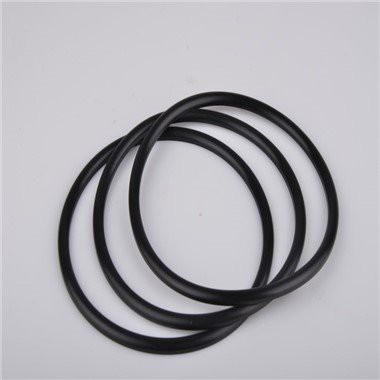

Hey there! As a supplier of rubber seal rings, I often get asked about the rebound resilience of these little but crucial components. So, let's dig into what rebound resilience is all about when it comes to rubber seal rings.
First off, what on earth is rebound resilience? Well, in simple terms, rebound resilience is a measure of how well a rubber material can bounce back after being deformed. When you press down on a rubber seal ring or squeeze it in some way, it gets squished. Rebound resilience tells us how quickly and completely that rubber seal ring will return to its original shape once the force is removed.
Think of it like a bouncy ball. When you drop a bouncy ball, it hits the ground, gets compressed for a split - second, and then springs back up. The higher the rebound resilience of the ball's material, the higher it will bounce. Similarly, for a rubber seal ring, a high rebound resilience means it can effectively return to its original form after being compressed during installation or while in use.
Now, why is rebound resilience so important for rubber seal rings? One of the main reasons is sealing performance. Rubber seal rings are used in a wide range of applications, from automotive engines to plumbing systems, to keep fluids or gases from leaking. When a seal ring is installed, it's usually compressed between two surfaces. If it doesn't have good rebound resilience, it won't be able to maintain a tight seal over time. As the seal ring loses its ability to bounce back, gaps can form, and that's when leaks start to happen.

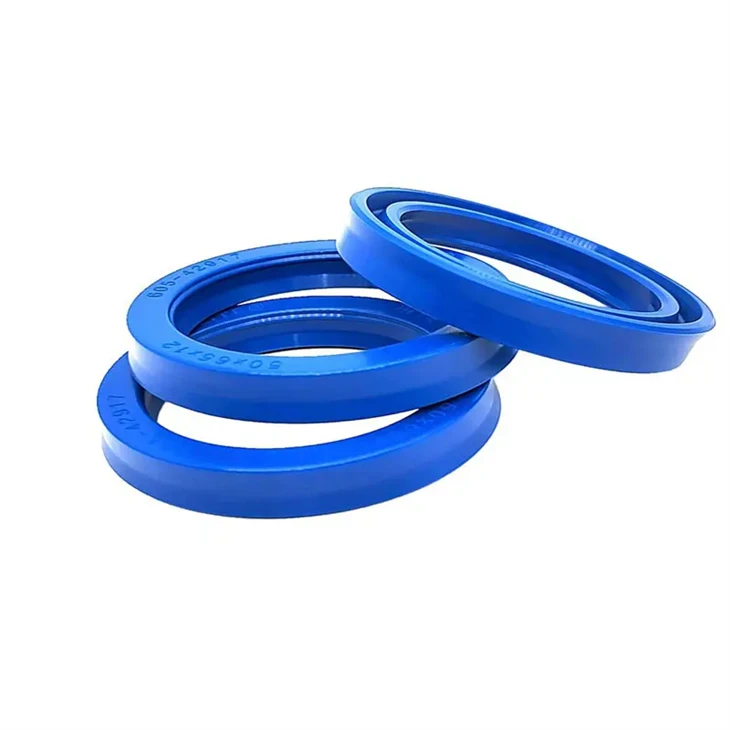
Another reason is durability. A rubber seal ring with high rebound resilience can withstand repeated compression and relaxation cycles without losing its shape or mechanical properties. In applications where the seal is constantly being compressed, like in a hydraulic system, a low - rebound - resilience seal would quickly become deformed and ineffective, leading to premature failure.
Let's talk about the factors that affect the rebound resilience of rubber seal rings. The type of rubber material is a huge factor. Different rubber compounds have different molecular structures, which in turn affect their ability to bounce back. For example, natural rubber generally has a high rebound resilience. It has long, flexible polymer chains that can easily stretch and then return to their original state. On the other hand, some synthetic rubbers may have lower rebound resilience depending on their chemical makeup.
The cross - linking density of the rubber also plays a role. Cross - linking is like creating bridges between the polymer chains in the rubber. A higher cross - linking density can make the rubber more rigid and less likely to deform, but it can also reduce the rebound resilience if it becomes too high. Manufacturers need to find the right balance to ensure optimal performance.
Temperature is another critical factor. Rubber is a viscoelastic material, which means its properties change with temperature. At low temperatures, rubber becomes stiffer, and its rebound resilience decreases. On the other hand, at high temperatures, the rubber can become too soft, and it may lose its ability to return to its original shape effectively. So, when selecting a rubber seal ring, it's important to consider the operating temperature range of the application.
As a rubber seal ring supplier, we offer a variety of products to meet different needs. If you're looking for customized solutions, you can check out our OEM Seal Ring options. We can work with you to develop seal rings that are tailored to your specific requirements, taking into account factors like rebound resilience.
If you're interested in learning more about how our rubber seal rings are made, head over to our Making Rubber Seals page. We use high - quality materials and advanced manufacturing processes to ensure that our seals have excellent rebound resilience and other performance characteristics.
For applications like dam gates, we have our Dam Gate Rubber Seal, which is designed to withstand the unique conditions of water containment. These seals need to have good rebound resilience to ensure a reliable seal over long periods.
When it comes to testing the rebound resilience of our rubber seal rings, we use industry - standard methods. One common test is the pendulum rebound test. In this test, a pendulum is dropped onto the rubber sample, and the height to which the pendulum rebounds is measured. The higher the rebound height, the higher the rebound resilience of the rubber.
We also conduct real - world simulations to see how our seal rings perform in actual operating conditions. By exposing the seals to different levels of compression, temperature, and chemical environments, we can ensure that they meet or exceed the performance requirements of our customers.
In conclusion, rebound resilience is a crucial property of rubber seal rings that directly impacts their sealing performance and durability. As a supplier, we understand the importance of providing high - quality seal rings with excellent rebound resilience. Whether you're in the automotive, plumbing, or any other industry that requires reliable seals, we're here to help.
If you have any questions about our rubber seal rings, or if you're interested in a quote, feel free to reach out. We're always happy to have a chat and discuss how we can meet your specific needs. Let's work together to find the perfect rubber seal ring solution for your application.
References
- "Rubber Technology Handbook" by Werner Hofmann
- "Elastomers and Rubber Compounding Materials" by Maurice Morton