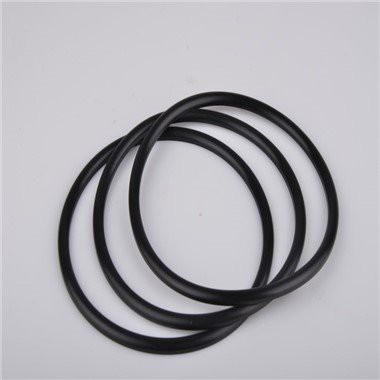

As a prominent supplier of EPDM rubber rings, I often encounter inquiries regarding the glass transition temperature of these essential components. Understanding the glass transition temperature is crucial for assessing the performance and applicability of EPDM rubber rings in various environments. In this blog post, I will delve into the concept of the glass transition temperature, its significance for EPDM rubber rings, and how it impacts their functionality.
What is the Glass Transition Temperature?
The glass transition temperature (Tg) is a fundamental property of polymers, including EPDM rubber. It represents the temperature range at which a polymer transitions from a hard, glassy state to a soft, rubbery state. Below the Tg, the polymer chains are relatively immobile, and the material behaves like a brittle glass. As the temperature rises above the Tg, the polymer chains gain more freedom of movement, and the material becomes more flexible and elastic.
The glass transition temperature is not a precise point but rather a range over which the transition occurs. It is influenced by several factors, including the chemical structure of the polymer, the degree of cross - linking, and the presence of additives. For EPDM rubber, the glass transition temperature typically falls within a specific range that is characteristic of this material.


EPDM Rubber: A Brief Overview
EPDM (Ethylene Propylene Diene Monomer) rubber is a synthetic elastomer known for its excellent weather resistance, ozone resistance, and thermal stability. It is composed of ethylene, propylene, and a small amount of a diene monomer, which provides sites for cross - linking. This cross - linking gives EPDM rubber its desirable mechanical properties, such as high tensile strength and good elasticity.
EPDM rubber rings are widely used in various industries, including automotive, plumbing, and aerospace. They are employed in applications where sealing, cushioning, and vibration isolation are required. For example, Rubber O - ring For Faucet is a common application of EPDM rubber rings in the plumbing industry, where they need to withstand constant exposure to water and different temperatures.
The Glass Transition Temperature of EPDM Rubber Rings
The glass transition temperature of EPDM rubber rings generally ranges from - 40°C to - 50°C (- 40°F to - 58°F). This relatively low Tg makes EPDM rubber suitable for use in cold environments. When the temperature drops below the Tg, the EPDM rubber ring becomes hard and loses its elasticity, which can lead to cracking and failure of the seal. On the other hand, at temperatures well above the Tg, the rubber remains flexible and can effectively maintain its sealing properties.
The specific Tg of an EPDM rubber ring can be affected by factors such as the formulation of the rubber compound. For instance, the type and amount of plasticizers and fillers used in the compound can influence the Tg. Plasticizers are additives that increase the flexibility of the rubber by reducing the intermolecular forces between the polymer chains. As a result, they can lower the glass transition temperature. Fillers, on the other hand, can have a more complex effect on the Tg, depending on their nature and concentration.
Significance of the Glass Transition Temperature for EPDM Rubber Rings
The glass transition temperature is of great significance for the performance of EPDM rubber rings. In applications where the temperature fluctuates, understanding the Tg helps in predicting how the rubber ring will behave. For example, in automotive applications, EPDM rubber rings are used in engine components and cooling systems. These components can experience a wide range of temperatures, from cold starts in winter to high - temperature operation during normal driving.
If the operating temperature approaches or falls below the Tg, the rubber ring may become brittle and lose its ability to form a proper seal. This can lead to leaks, which can compromise the performance and reliability of the system. In contrast, when the temperature is well above the Tg, the rubber ring remains flexible and can adapt to changes in pressure and movement, ensuring a tight seal.
Comparison with Other Rubber Materials
When comparing EPDM rubber rings with other types of rubber materials, the glass transition temperature is an important factor. For example, Kalrez O Ring is a high - performance rubber material with different properties. Kalrez O - rings are known for their excellent chemical resistance and high - temperature performance. However, their glass transition temperature may be different from that of EPDM rubber, which affects their suitability for different applications.
Silicone rubber is another commonly used elastomer. Silicone rubber generally has a lower glass transition temperature than EPDM rubber, which allows it to remain flexible at extremely low temperatures. However, EPDM rubber offers better weather and ozone resistance compared to silicone rubber. The choice between these materials depends on the specific requirements of the application, including the temperature range, chemical exposure, and mechanical stress.
Testing the Glass Transition Temperature of EPDM Rubber Rings
There are several methods for measuring the glass transition temperature of EPDM rubber rings. Differential Scanning Calorimetry (DSC) is a widely used technique. In DSC, a small sample of the rubber is heated or cooled at a controlled rate, and the heat flow into or out of the sample is measured. The glass transition is detected as a change in the heat capacity of the sample, which appears as a step - like change in the DSC curve.
Dynamic Mechanical Analysis (DMA) is another method that can be used to determine the Tg. DMA measures the mechanical properties of the rubber as a function of temperature and frequency. The glass transition is indicated by a peak in the loss modulus or a significant change in the storage modulus. These testing methods provide accurate and reliable data on the glass transition temperature of EPDM rubber rings, which is essential for quality control and product development.
Applications and Considerations Based on Tg
In addition to the automotive and plumbing industries, EPDM rubber rings are also used in the aerospace industry. In aerospace applications, the temperature can vary significantly during flight, from extremely cold temperatures at high altitudes to relatively high temperatures near the engines. EPDM rubber rings with a suitable glass transition temperature are selected to ensure reliable performance under these extreme conditions.
When selecting EPDM rubber rings for a particular application, it is important to consider the expected temperature range. If the application involves exposure to very low temperatures, a rubber compound with a lower Tg should be chosen. Conversely, if the application is in a high - temperature environment, the focus should be on the rubber's thermal stability and its ability to maintain its properties at elevated temperatures.
Conclusion
As a supplier of EPDM rubber rings, I understand the importance of the glass transition temperature in determining the performance and suitability of these products. The glass transition temperature of EPDM rubber rings, typically ranging from - 40°C to - 50°C, plays a crucial role in their behavior under different temperature conditions. By understanding the Tg and its implications, customers can make informed decisions when selecting EPDM rubber rings for their specific applications.
Whether you are in the automotive, plumbing, aerospace, or any other industry that requires high - quality sealing solutions, our High Performance Rubber O Ring products are designed to meet your needs. If you have any questions about the glass transition temperature of our EPDM rubber rings or need assistance in selecting the right product for your application, please feel free to contact us. We are committed to providing you with the best products and services to ensure the success of your projects.
References
- "Rubber Technology Handbook" by Werner Hofmann
- "Elastomers and Rubber Compounding Materials" by Maurice Morton
- Journal articles on polymer science and rubber technology