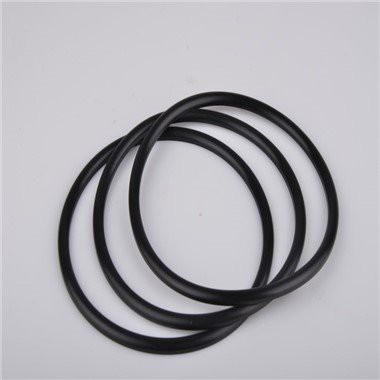

Hey there! As a supplier of Molded Rubber Rings, I often get asked about the thermal expansion properties of these little but crucial components. So, I thought I'd sit down and write this blog to share some insights on this topic.
First off, let's talk about what thermal expansion is. Simply put, thermal expansion is the tendency of matter to change in shape, area, and volume in response to a change in temperature. When the temperature goes up, most materials expand, and when it goes down, they contract. This is a fundamental concept in physics and has a significant impact on how materials perform in different environments.
Now, let's dive into the thermal expansion properties of molded rubber rings. Rubber is a unique material with some interesting thermal expansion characteristics. Unlike metals or ceramics, rubber has a relatively high coefficient of thermal expansion. This means that it expands and contracts more significantly in response to temperature changes compared to many other materials.


The coefficient of thermal expansion (CTE) of rubber is typically expressed in units of inches per inch per degree Fahrenheit (in/in/°F) or meters per meter per degree Celsius (m/m/°C). For molded rubber rings, the CTE can vary depending on several factors, including the type of rubber used, the formulation of the rubber compound, and the manufacturing process.
One of the most common types of rubber used in molded rubber rings is nitrile rubber (NBR). Nitrile rubber is known for its excellent oil resistance and good mechanical properties. It also has a relatively high CTE, typically ranging from about 6.0 x 10^-5 in/in/°F to 8.0 x 10^-5 in/in/°F. This means that for every degree Fahrenheit increase in temperature, a nitrile rubber ring will expand by about 6.0 to 8.0 millionths of an inch per inch of its original length.
Another popular type of rubber used in molded rubber rings is silicone rubber. Silicone rubber is known for its excellent high-temperature resistance and good electrical insulation properties. It has a relatively low CTE compared to nitrile rubber, typically ranging from about 3.0 x 10^-5 in/in/°F to 5.0 x 10^-5 in/in/°F. This means that silicone rubber rings will expand less than nitrile rubber rings in response to temperature changes.
The formulation of the rubber compound can also have a significant impact on the thermal expansion properties of molded rubber rings. For example, adding fillers or reinforcements to the rubber compound can reduce the CTE and improve the dimensional stability of the ring. On the other hand, using a softer or more flexible rubber compound can increase the CTE and make the ring more prone to expansion and contraction.
The manufacturing process can also affect the thermal expansion properties of molded rubber rings. For example, the curing process can cause the rubber to shrink slightly, which can affect the final dimensions of the ring. Additionally, the molding process can introduce stress in the rubber, which can also affect its thermal expansion properties.
So, why is it important to understand the thermal expansion properties of molded rubber rings? Well, in many applications, molded rubber rings are used as seals to prevent the leakage of fluids or gases. If the ring expands or contracts too much in response to temperature changes, it can lose its sealing ability and cause leaks. This can lead to equipment failure, safety hazards, and increased maintenance costs.
For example, in automotive engines, molded rubber rings are used to seal the oil pan, the valve cover, and other components. If the rings expand too much in hot weather, they can become loose and allow oil to leak out. On the other hand, if the rings contract too much in cold weather, they can crack and also cause leaks.
In industrial applications, molded rubber rings are used in a wide range of equipment, including pumps, compressors, and valves. If the rings do not have the proper thermal expansion properties, they can cause problems such as reduced efficiency, increased wear and tear, and premature failure of the equipment.
To ensure that molded rubber rings perform properly in different temperature environments, it is important to select the right type of rubber and the right formulation of the rubber compound. It is also important to consider the operating temperature range, the pressure, and the chemical compatibility of the fluid or gas being sealed.
In addition to understanding the thermal expansion properties of molded rubber rings, it is also important to follow proper installation and maintenance procedures. For example, when installing a molded rubber ring, it is important to ensure that it is properly seated and that there is no excessive stress or distortion. It is also important to regularly inspect the rings for signs of wear, damage, or leakage and to replace them as needed.
As a supplier of Molded Rubber Ring, we offer a wide range of products to meet the needs of different applications. Our Rubber Square Ring and OEM Seal Ring are available in various sizes, materials, and formulations to ensure the best performance in different temperature environments.
If you are in the market for molded rubber rings or have any questions about their thermal expansion properties, please don't hesitate to contact us. We have a team of experts who can help you select the right product for your application and provide you with the technical support you need. Let's work together to find the best sealing solution for your needs.
References
- "Handbook of Elastomers" by I. Franta
- "Rubber Technology" by Maurice Morton