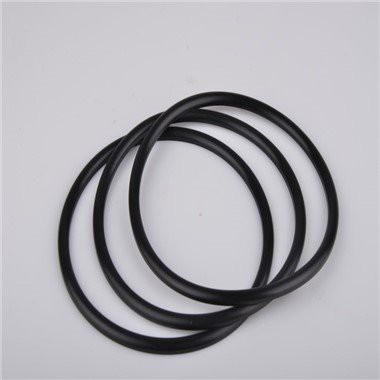

Alright, folks! As an OEM Seal Ring supplier, I get asked a lot about the signs of a worn-out OEM Seal Ring. It's a crucial topic, especially when it comes to ensuring the smooth operation of various machinery and equipment. So, let's dive right in and take a look at what you should be on the lookout for.
Physical Wear and Tear
One of the most obvious signs of a worn-out OEM Seal Ring is physical damage. This can include cuts, nicks, or tears in the ring itself. These damages can occur due to a variety of reasons, such as improper installation, excessive pressure, or contact with sharp objects. When you see these visible signs of damage, it's a clear indication that the seal ring may no longer be able to perform its function effectively.
For instance, if you're using an Airtight Rubber Seal in a high-pressure system, any small cut or tear can lead to leaks. This not only affects the performance of the system but can also cause safety hazards in some cases. So, always inspect your seal rings regularly for any signs of physical damage.
Another form of physical wear is abrasion. Over time, the seal ring may rub against other components in the system, causing the material to wear down. This can result in a reduction in the ring's thickness and a loss of its sealing ability. You might notice that the surface of the seal ring looks rough or has a uneven texture. This is a sign that the ring is wearing out and needs to be replaced.
Hardening and Brittleness
Seal rings are usually made of rubber or elastomeric materials, which have a certain degree of flexibility. However, over time, these materials can harden and become brittle due to factors like exposure to heat, chemicals, or UV light. When a seal ring becomes hard and brittle, it loses its ability to conform to the mating surfaces, leading to leaks.
You can test the flexibility of a seal ring by gently bending it. If it cracks or breaks easily, it's a sign that the material has hardened. For example, in a system where a Rubber Square Ring is used, hardening can cause it to lose its shape and fail to provide a proper seal.
Swelling or Shrinkage
Exposure to certain chemicals or fluids can cause the seal ring to swell or shrink. Swelling occurs when the material absorbs the chemical, causing it to expand. This can lead to an increase in the ring's size, making it difficult to fit properly in the housing. On the other hand, shrinkage happens when the chemical extracts the plasticizers or other additives from the seal ring material, causing it to contract.
Both swelling and shrinkage can affect the sealing performance of the ring. You may notice that the ring is too tight or too loose in its groove, or that there are visible changes in its dimensions. If you suspect that your seal ring has been affected by a chemical reaction, it's important to identify the chemical and choose a more compatible seal ring material.
Leakage
The most telltale sign of a worn-out OEM Seal Ring is leakage. If you notice any fluid or gas seeping from the area where the seal ring is installed, it's a clear indication that the ring is not functioning properly. Leakage can occur due to any of the reasons mentioned above, such as physical damage, hardening, or swelling.


It's important to address leakage issues as soon as possible, as they can lead to a loss of efficiency, increased maintenance costs, and potential damage to other components in the system. Regularly check for leaks around your seal rings, and if you find any, replace the ring immediately.
Loss of Elasticity
Seal rings rely on their elasticity to maintain a proper seal. Over time, the elasticity of the ring can decrease due to factors like aging, heat, or chemical exposure. When a seal ring loses its elasticity, it may not be able to exert enough pressure against the mating surfaces, resulting in leaks.
You can check the elasticity of a seal ring by squeezing it between your fingers. If it doesn't return to its original shape quickly, it may have lost its elasticity. For instance, a worn-out OEM Seal Ring may not be able to create a tight seal, even if it appears to be in good physical condition.
Discoloration
Discoloration of the seal ring can also be a sign of wear and tear. Exposure to chemicals, heat, or UV light can cause the material to change color. For example, a rubber seal ring may turn brown or black due to oxidation. While discoloration alone may not necessarily mean that the ring is no longer functional, it can be an indication that the material has been compromised.
Keep an eye on the color of your seal rings, especially if they are exposed to harsh environments. If you notice any significant changes in color, it's a good idea to inspect the ring more closely for other signs of wear.
Conclusion
Well, there you have it, folks! These are some of the main signs of a worn-out OEM Seal Ring. By keeping an eye out for these signs and performing regular inspections, you can ensure that your seal rings are in good condition and functioning properly.
If you're in the market for high-quality OEM Seal Rings or need more information about our products, don't hesitate to reach out. We're here to help you find the right seal solution for your needs. Whether you're looking for an Airtight Rubber Seal, a Rubber Square Ring, or an OEM Seal Ring, we've got you covered.
References
- Sealing Technology Handbook
- Rubber and Elastomer Materials Guide