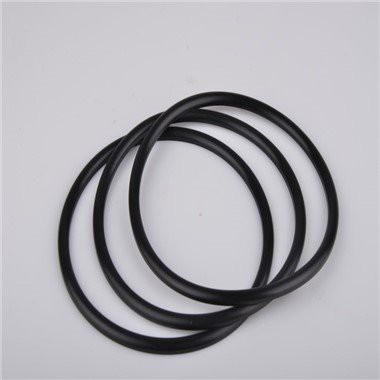

As a supplier of hollow O - rings, I've witnessed firsthand the critical role these components play in various industries. Hollow O - rings are designed to provide reliable sealing solutions in a wide range of applications, but their performance can be significantly affected by the compatibility with different groove materials. In this blog, we'll explore the compatibility issues of hollow O - rings with different groove materials and how to ensure optimal performance.
Understanding Hollow O - Rings
Hollow O - rings are unique sealing elements that offer several advantages over traditional solid O - rings. Their hollow structure allows for greater flexibility and compressibility, which can result in better sealing performance, especially in applications where there are large variations in pressure or temperature. They are commonly used in industries such as aerospace, automotive, and chemical processing.
There are different types of hollow O - rings available, including Hollow Spliced O Rings, Spliced Hollow O - ring, and Metal Hollow O - ring Gasket. Each type has its own characteristics and is suitable for specific applications.


Compatibility with Different Groove Materials
1. Metal Grooves
Metal grooves are widely used in many applications due to their high strength and durability. However, the compatibility between hollow O - rings and metal grooves can be a complex issue.
- Corrosion: Some metals can corrode when in contact with certain elastomers used in hollow O - rings. For example, if the metal contains reactive elements and the O - ring material is sensitive to chemical attack, corrosion can occur. This can lead to the degradation of both the O - ring and the groove, reducing the sealing effectiveness. To prevent this, it's important to choose O - ring materials that are resistant to the corrosion potential of the metal. For instance, if the metal is prone to oxidation, a fluorocarbon - based O - ring might be a good choice as it has excellent chemical resistance.
- Hardness Mismatch: The hardness of the O - ring and the metal groove should be carefully considered. If the O - ring is too soft compared to the metal, it may be extruded into any small gaps or irregularities in the groove under pressure, leading to premature failure. On the other hand, if the O - ring is too hard, it may not be able to conform well to the groove, resulting in poor sealing. A proper hardness balance needs to be achieved through material selection and design.
2. Plastic Grooves
Plastic grooves are becoming more popular due to their lightweight, cost - effectiveness, and chemical resistance. However, there are also compatibility issues with hollow O - rings.
- Swelling and Shrinkage: Some elastomers in hollow O - rings can cause the plastic groove to swell or shrink when in contact. This can change the dimensions of the groove and affect the sealing performance. For example, if the O - ring material contains solvents or plasticizers that can interact with the plastic of the groove, swelling may occur. To address this, it's necessary to select O - ring materials that have minimal interaction with the plastic. Silicone - based O - rings may be a suitable option for some plastics as they have relatively low chemical reactivity.
- Mechanical Properties: The mechanical properties of plastics, such as their stiffness and creep resistance, can also impact the performance of the O - ring. If the plastic groove deforms under pressure or over time due to creep, the O - ring may not be able to maintain a proper seal. Therefore, the plastic material should have sufficient mechanical strength and stability to ensure long - term sealing.
3. Composite Grooves
Composite materials are often used to combine the advantages of different materials, such as high strength and light weight. When it comes to compatibility with hollow O - rings, the following factors need to be considered.
- Interface Bonding: The interface between the O - ring and the composite groove is crucial. Composite materials may have a complex surface structure, and the O - ring needs to be able to form a good bond with it. If the bonding is poor, leakage can occur. Surface treatments or the use of adhesives may be required to improve the bonding.
- Thermal Expansion Mismatch: Composite materials and elastomers in O - rings may have different coefficients of thermal expansion. This can lead to stress and deformation at the interface between the O - ring and the groove when the temperature changes. To mitigate this issue, the design should take into account the thermal properties of both materials and provide sufficient tolerance for thermal expansion.
Ensuring Compatibility
1. Material Selection
The first step in ensuring compatibility is to carefully select the materials for both the hollow O - ring and the groove. This requires a good understanding of the chemical, physical, and mechanical properties of the materials. Consider factors such as the operating environment (temperature, pressure, chemical exposure), the expected service life, and the performance requirements of the sealing application.
2. Testing
Before finalizing a design, it's essential to conduct compatibility testing. This can include immersion tests, where the O - ring is immersed in a sample of the groove material or the relevant chemicals in the operating environment to check for any signs of degradation. Pressure and temperature cycling tests can also be performed to simulate real - world conditions and evaluate the sealing performance.
3. Design Optimization
The design of the groove and the O - ring installation also plays a crucial role in ensuring compatibility. The groove dimensions should be carefully calculated to provide the right amount of compression for the O - ring. The surface finish of the groove should be smooth to prevent damage to the O - ring. Additionally, proper installation procedures should be followed to ensure that the O - ring is seated correctly in the groove.
Conclusion
The compatibility of hollow O - rings with different groove materials is a complex but crucial issue that can significantly impact the performance and reliability of sealing applications. As a supplier of hollow O - rings, we understand the importance of addressing these compatibility issues. By carefully considering material selection, conducting thorough testing, and optimizing the design, we can ensure that our hollow O - rings provide the best sealing solutions for our customers.
If you are in need of high - quality hollow O - rings and have questions about compatibility with your specific groove materials, we are here to help. Our team of experts can provide you with professional advice and customized solutions. Contact us today to start a procurement discussion and find the perfect sealing solution for your application.
References
- "Sealing Technology Handbook" by John D. Adamson
- "Elastomers and Rubber Compounding Materials" by Werner Hofmann
- Industry research reports on sealing materials and applications.