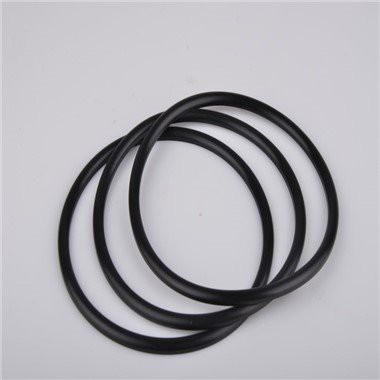

Troubleshooting problems with an OEM Seal Ring is a crucial skill for anyone in industries that rely on these components for proper equipment functioning. As an OEM Seal Ring supplier, I've encountered a wide range of issues over the years and have developed effective strategies to address them. In this blog, I'll share some insights on how to identify and resolve common problems with OEM Seal Rings.
Understanding OEM Seal Rings
Before delving into troubleshooting, it's essential to understand what OEM Seal Rings are and their significance. OEM, or Original Equipment Manufacturer, Seal Rings are custom - made components designed to fit specific equipment precisely. They are used in various applications, such as automotive engines, hydraulic systems, and industrial machinery, to prevent the leakage of fluids or gases.
There are different types of OEM Seal Rings, including Rubber Square Ring and Molded Rubber Ring. These rings are made from a variety of materials, such as rubber, silicone, and fluorocarbon, each with its own set of properties suitable for different operating conditions.
Common Problems with OEM Seal Rings
Leakage
One of the most common problems with OEM Seal Rings is leakage. Leakage can occur due to several reasons:


- Incorrect Installation: If the seal ring is not installed properly, it may not create a tight seal. This could be due to improper alignment, over - or under - compression, or damage during installation. For example, if the seal ring is stretched too much during installation, it may lose its elasticity and fail to seal effectively.
- Wear and Tear: Over time, seal rings can wear out due to friction, pressure, and chemical exposure. High - pressure applications can cause the seal to deform, while exposure to harsh chemicals can degrade the material. For instance, in a chemical processing plant, a seal ring made from a material that is not resistant to the chemicals being processed may start to break down, leading to leakage.
- Material Compatibility Issues: Using a seal ring made from a material that is not compatible with the fluid or gas it is sealing can also result in leakage. For example, a rubber seal ring may swell or dissolve when in contact with certain solvents, compromising the seal.
Premature Failure
Premature failure of an OEM Seal Ring can be a significant problem. It can lead to costly downtime and repairs. Some causes of premature failure include:
- Poor Quality Material: If the seal ring is made from low - quality material, it may not have the necessary strength and durability to withstand the operating conditions. This could be due to substandard raw materials or poor manufacturing processes.
- Incorrect Sizing: Using a seal ring that is the wrong size for the application can cause premature failure. An undersized seal ring may not provide enough sealing force, while an oversized one may be difficult to install and may not fit properly, leading to stress concentration and failure.
- Environmental Factors: Extreme temperatures, humidity, and exposure to UV radiation can all affect the performance of a seal ring. For example, in a high - temperature environment, a rubber seal ring may become brittle and crack, leading to failure.
Troubleshooting Steps
Inspection
The first step in troubleshooting an OEM Seal Ring problem is to conduct a thorough inspection. This involves:
- Visual Inspection: Check the seal ring for any visible signs of damage, such as cracks, tears, or deformation. Look for signs of wear, such as uneven surfaces or abrasions. Also, inspect the installation area for any debris, scratches, or misalignments that could affect the seal.
- Measurement: Measure the dimensions of the seal ring to ensure it is the correct size. Use calipers or other measuring tools to check the inner and outer diameters, as well as the cross - sectional dimensions. Compare the measurements with the specifications provided by the manufacturer.
- Material Analysis: If possible, perform a material analysis to determine if the seal ring is made from the correct material. This can be done using techniques such as spectroscopy or chemical testing.
Installation Review
If the inspection reveals no obvious damage to the seal ring, the next step is to review the installation process.
- Check Installation Procedure: Make sure the seal ring was installed according to the manufacturer's instructions. This includes proper lubrication, alignment, and compression. If the installation was done incorrectly, reinstall the seal ring following the correct procedure.
- Verify Installation Tools: Ensure that the tools used for installation were appropriate and in good condition. Using the wrong tools can cause damage to the seal ring during installation.
Operating Conditions Assessment
Assess the operating conditions to determine if they are contributing to the problem.
- Temperature and Pressure: Check the operating temperature and pressure of the system. If the conditions are outside the recommended range for the seal ring, consider using a seal ring made from a material that can withstand these conditions. For example, in a high - temperature application, a silicone or fluorocarbon seal ring may be more suitable.
- Chemical Exposure: Identify the chemicals that the seal ring is exposed to. If there are compatibility issues, replace the seal ring with one made from a material that is resistant to these chemicals.
Preventive Measures
Proper Selection
To prevent problems with OEM Seal Rings, it's important to select the right seal ring for the application. Consider the following factors:
- Operating Conditions: Determine the temperature, pressure, and chemical environment of the application. Choose a seal ring material that can withstand these conditions. For example, OEM Seal Ring made from different materials are available to suit various operating conditions.
- Size and Design: Ensure that the seal ring is the correct size and design for the application. Consult the manufacturer's specifications or seek professional advice if needed.
Regular Maintenance
Regular maintenance can help extend the life of an OEM Seal Ring. This includes:
- Inspection: Conduct regular inspections of the seal ring to detect any signs of wear or damage early. Replace the seal ring if necessary.
- Cleaning: Keep the installation area clean to prevent debris from damaging the seal ring. Use appropriate cleaning agents that are compatible with the seal ring material.
Conclusion
Troubleshooting problems with an OEM Seal Ring requires a systematic approach. By understanding the common problems, conducting thorough inspections, and taking appropriate preventive measures, you can ensure the reliable performance of your seal rings. As an OEM Seal Ring supplier, I'm committed to providing high - quality products and expert advice to help you solve any seal ring - related issues.
If you're facing problems with your OEM Seal Rings or are looking to source high - quality seal rings for your applications, I encourage you to reach out for a procurement discussion. We have a wide range of seal rings available, including Rubber Square Ring and Molded Rubber Ring, and our team of experts can help you select the right one for your needs.
References
- "Sealing Technology Handbook" by John P. Blair
- "Rubber Seals and Gaskets: Design, Materials, and Applications" by David A. Denton