


Hey there! As a rubber ring supplier, I know how crucial it is to store these little wonders properly. Rubber rings come in all shapes and sizes, from Molded Rubber Ring to Rubber Square Ring and OEM Seal Ring, and each one needs the right care to stay in top - notch condition. So, let's dive into the world of rubber ring storage!
Understanding Rubber's Characteristics
First things first, we need to understand what makes rubber tick. Rubber is a flexible material, but it's also sensitive. It can be affected by temperature, light, humidity, and chemicals. That's why improper storage can lead to all sorts of problems, like cracking, hardening, or losing its elasticity.
Temperature Control
Temperature plays a huge role in rubber ring storage. Extreme heat can make rubber soften and deform, while extreme cold can make it brittle. Ideally, you want to store rubber rings in a place where the temperature stays between 20°C and 30°C. A cool, dry room away from direct sunlight and heating vents is perfect.
Avoid storing rubber rings near industrial equipment that generates a lot of heat, like furnaces or large motors. If you're in a place with very hot summers or cold winters, you might need to consider using a climate - controlled storage area.
Light Exposure
Sunlight and artificial light can also be a big no - no for rubber rings. UV rays in sunlight can cause rubber to break down over time, leading to discoloration and reduced durability. To protect your rubber rings, store them in opaque containers or in a dark area.
If you're using open shelving, cover the rubber rings with a cloth or a blackout curtain. This simple step can significantly extend their lifespan.
Humidity Management
Humidity can cause rubber to swell and promote the growth of mold and mildew. You want to keep the humidity level in the storage area between 40% and 60%. A dehumidifier can be your best friend in a humid environment.
Regularly check the storage area for signs of moisture, like water droplets on the walls or containers. If you notice any, take immediate steps to reduce the humidity.
Chemical Exposure
Rubber is sensitive to many chemicals. Keep rubber rings away from solvents, oils, greases, and strong acids or alkalis. These chemicals can react with the rubber, causing it to deteriorate.
If you have a workplace where chemicals are used, make sure to store rubber rings in a separate area. Also, avoid using rubber gloves or other rubber products that have come into contact with chemicals near your stored rubber rings.
Storage Containers and Packaging
The right storage containers and packaging are essential for protecting rubber rings. You can use sealed plastic bags, plastic containers with tight - fitting lids, or cardboard boxes.
For larger rubber rings, you can use hanging racks or storage bins. Make sure the containers are clean and dry before putting the rubber rings in them. You can also add a desiccant packet to absorb any moisture.
Handling during Storage
When handling rubber rings for storage, be gentle. Rough handling can cause scratches or tears, which can weaken the rubber. Use clean hands or gloves to pick up the rings.
Don't stack rubber rings too tightly, as this can cause them to deform. Instead, leave some space between each ring to allow air circulation.
Rotation of Stock
If you have a large inventory of rubber rings, it's a good idea to practice stock rotation. This means using the oldest rubber rings first. Over time, rubber can naturally degrade, even under ideal storage conditions.
By rotating your stock, you ensure that you're using the rubber rings before they start to lose their quality. Keep a record of when each batch of rubber rings was received so you can easily identify the oldest ones.
Regular Inspection
Make it a habit to regularly inspect your stored rubber rings. Look for any signs of damage, such as cracks, discoloration, or a change in texture. If you notice any problems, remove the affected rings from the storage area to prevent the issue from spreading.

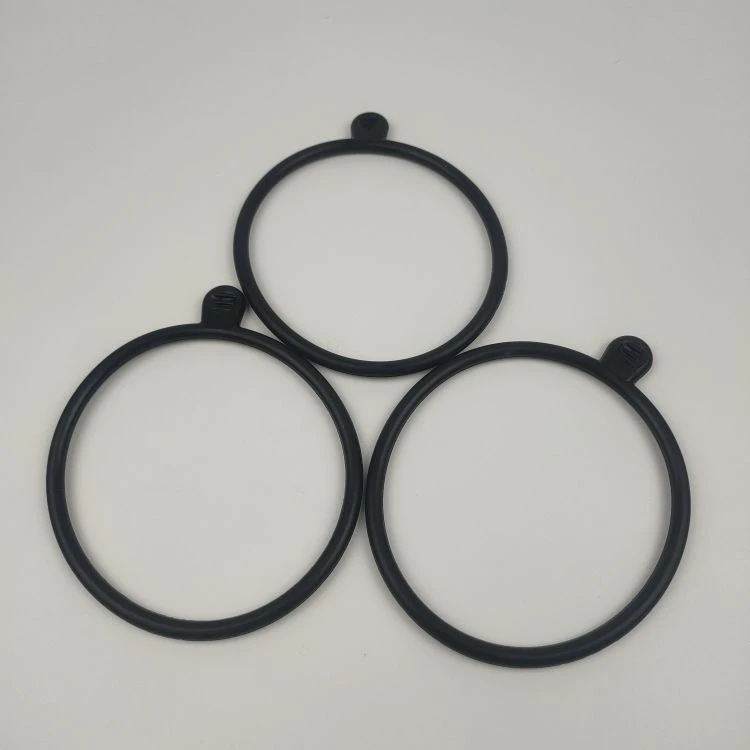
You can do a quick visual inspection every few months, and a more detailed inspection once a year.
Conclusion
Proper storage of rubber rings is not rocket science, but it does require a little attention to detail. By controlling the temperature, protecting from light, managing humidity, avoiding chemical exposure, using the right storage containers, handling with care, rotating stock, and conducting regular inspections, you can keep your rubber rings in excellent condition for a long time.
If you're in the market for high - quality rubber rings, whether it's Molded Rubber Ring, Rubber Square Ring or OEM Seal Ring, we've got you covered. Contact us to discuss your procurement needs and let's find the perfect rubber rings for your applications.
References
- ASTM D1418 - Standard Classification System for Rubber and Rubber Latices – Nomenclature
- Rubber Manufacturers Association (RMA) guidelines on rubber product storage.


