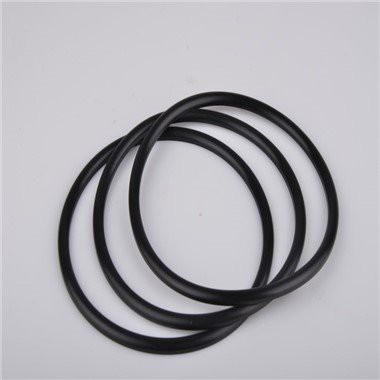
Hey there! As a supplier of PTFE Coated O-rings, I've seen firsthand how important it is to store these little guys properly. PTFE Coated O-rings, also known as Teflon Coated O-rings, are super useful in a bunch of industries, from automotive to aerospace. They've got some great properties like chemical resistance and low friction, but if you don't store them right, you can kiss those properties goodbye.
Let's start with the basics. Temperature is a big deal when it comes to storing PTFE Coated O-rings. You want to keep them in a place where the temperature is stable. Extreme heat or cold can mess with the PTFE coating and the rubber underneath. High temperatures can cause the PTFE to break down or the rubber to lose its elasticity. On the other hand, really cold temperatures can make the rubber brittle and more likely to crack.
A good rule of thumb is to store your PTFE Coated O-rings in an environment where the temperature stays between 40°F and 80°F (4°C and 27°C). This range helps maintain the integrity of both the PTFE coating and the rubber core. If you're in a place with a lot of temperature fluctuations, you might want to consider using a climate-controlled storage area.
Humidity is another factor that can affect PTFE Coated O-rings. High humidity can lead to moisture buildup on the O-rings, which can cause corrosion and degradation over time. You should aim for a relative humidity of around 40% to 60%. If the humidity in your storage area is too high, you can use dehumidifiers to bring it down. And if it's too low, you might need to use a humidifier to prevent the rubber from drying out.
Light can also be a problem. Ultraviolet (UV) light, in particular, can break down the PTFE coating and the rubber. So, you should store your O-rings in a dark place. If you're using storage cabinets, make sure they're opaque or keep them covered with a dark cloth. And if you have any windows in your storage area, use curtains or blinds to block out the sunlight.
Now, let's talk about how to actually store the O-rings. You don't want to just throw them in a box and call it a day. It's important to keep them organized and protected. One way to do this is by using sealed plastic bags or containers. This helps keep out dust, dirt, and moisture. You can label each bag or container with the size, type, and quantity of the O-rings inside. This makes it easy to find what you need when you need it.
Another thing to consider is how you stack or arrange the O-rings. You don't want to put too much pressure on them, as this can cause deformation. If you're stacking containers, make sure you don't stack them too high. And if you're using trays or racks, make sure the O-rings are evenly spaced and not crowded together.
It's also a good idea to keep your PTFE Coated O-rings away from chemicals and solvents. These can react with the PTFE coating and the rubber, causing damage. If you have any chemicals or solvents in your storage area, make sure they're stored in a separate area or cabinet.
When it comes to handling the O-rings, you should always wear clean gloves. This helps prevent any oils or dirt from your hands from getting on the O-rings. And if you need to move the O-rings, be gentle. Avoid stretching or bending them too much, as this can cause damage to the coating and the rubber.
Let's talk about the shelf life of PTFE Coated O-rings. While they can last a long time if stored properly, they do have a limited lifespan. Over time, the rubber can start to degrade, and the PTFE coating can wear off. A general guideline is to use the O-rings within 2 to 3 years of purchase. But this can vary depending on the storage conditions. If you're storing them in a perfect environment, they might last a bit longer. And if the storage conditions are less than ideal, their lifespan will be shorter.
Now, let's say you've got a bunch of different sizes and types of O-ring with Teflon Coating. It can be a challenge to keep track of them all. One solution is to use an inventory management system. You can use a simple spreadsheet or a more advanced software program. This helps you keep track of what you have, when you bought it, and when it needs to be replaced.
In addition to proper storage, it's also important to inspect your PTFE Coated O-rings regularly. Look for any signs of damage, such as cracks, tears, or discoloration. If you notice any issues, it's best to replace the O-rings right away. This helps prevent any problems down the line, such as leaks or equipment failure.
If you're planning to store your O-rings for a long time, you might want to consider using a desiccant. A desiccant is a substance that absorbs moisture. You can put a small packet of desiccant in each bag or container with the O-rings. This helps keep the humidity levels low and protects the O-rings from moisture damage.


Finally, I want to mention that proper storage not only helps preserve the quality of your PTFE Coated O-rings but also saves you money in the long run. By storing them correctly, you reduce the chances of having to replace them prematurely. And since these O-rings can be a bit pricey, that's a big deal.
If you're in the market for high-quality PTFE Coated O-rings, I'd love to chat with you. Whether you're looking for a specific size or type, or you need advice on storage and usage, I'm here to help. Feel free to reach out and start a conversation about your procurement needs. I'm confident that we can find the right solutions for your business.
References
- "Sealing Technology Handbook" - A comprehensive guide on sealing products and their storage requirements.
- Industry standards and guidelines for rubber and PTFE products storage.