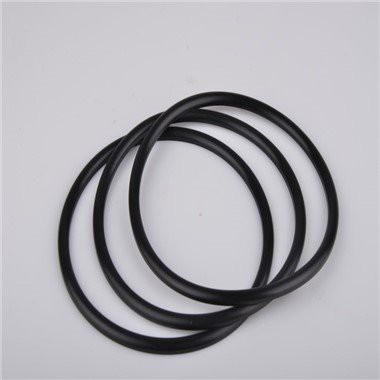

Solid rubber gaskets are essential components in various industries, providing a reliable seal to prevent leakage of fluids and gases. However, cracking in these gaskets can lead to significant issues, including system failures and costly downtime. As a solid rubber gasket supplier, I've encountered numerous situations where customers face problems with gasket cracking. In this blog, I'll share some practical tips on how to prevent solid rubber gaskets from cracking.
Understanding the Causes of Cracking
Before we dive into prevention methods, it's crucial to understand what causes solid rubber gaskets to crack. There are several factors that can contribute to this problem, and identifying them is the first step in finding a solution.
1. Age and Environmental Exposure
Rubber is a polymer material, and over time, it can degrade due to exposure to environmental factors such as heat, ozone, and UV radiation. This degradation weakens the rubber's structure, making it more prone to cracking. For example, gaskets installed in outdoor applications or near high - heat sources are at a higher risk.
2. Chemical Exposure
Different chemicals can react with rubber, causing it to swell, harden, or become brittle. Harsh chemicals like acids, bases, and solvents can break down the rubber's molecular bonds, leading to cracking. For instance, if a gasket comes into contact with a chemical that it's not compatible with, the chemical can penetrate the rubber and change its physical properties.
3. Improper Installation
Incorrect installation is one of the most common causes of gasket cracking. If a gasket is over - compressed during installation, it can cause internal stress within the rubber. This stress can eventually lead to cracking, especially when the gasket is subjected to additional pressure or movement. On the other hand, under - compression can result in a poor seal, which may cause the gasket to be exposed to more stress and wear.
4. Mechanical Stress
Gaskets are often exposed to mechanical stress during normal operation. Vibration, pressure fluctuations, and movement can all put stress on the gasket. If the gasket is not designed to withstand these stresses, it can develop cracks over time.
Prevention Methods
Now that we know the causes, let's look at some effective ways to prevent solid rubber gaskets from cracking.
1. Select the Right Material
Choosing the appropriate rubber material is crucial for preventing cracking. Different rubber materials have different properties and resistance to various factors. For example, Viton Rubber Gasket is known for its excellent resistance to heat, chemicals, and ozone. It's a great choice for applications where the gasket will be exposed to harsh conditions. On the other hand, General Rubber Gasket can be used for less demanding applications. When selecting a material, consider factors such as temperature range, chemical exposure, and mechanical stress.
2. Proper Storage
How you store your rubber gaskets can also affect their lifespan. Rubber gaskets should be stored in a cool, dry place away from direct sunlight and sources of ozone. Ozone can cause rubber to crack, and sunlight can accelerate the degradation process. Keep the gaskets in their original packaging or a sealed container to protect them from dust and moisture.


3. Correct Installation
Proper installation is key to preventing gasket cracking. Follow the manufacturer's installation instructions carefully. Make sure to use the correct tools and apply the right amount of torque when tightening bolts or fasteners. Avoid over - compressing the gasket, as this can cause internal stress. If possible, use a gasket installation kit or get professional help to ensure the gasket is installed correctly.
4. Regular Inspection and Maintenance
Regularly inspect your gaskets for signs of wear, cracking, or damage. Look for any discoloration, swelling, or hardening, which can indicate a problem. If you notice any issues, replace the gasket immediately. Maintenance also includes cleaning the gasket and the mating surfaces to remove any debris or contaminants that could cause damage.
5. Consider Design Improvements
In some cases, the design of the gasket or the system it's installed in can contribute to cracking. Consider using Rubber Gasket Joint designs that are more flexible and can better withstand mechanical stress. For example, a gasket with a reinforced edge or a special shape may be more resistant to cracking. Additionally, make sure the system is designed to minimize vibration and pressure fluctuations.
Conclusion
Preventing solid rubber gaskets from cracking requires a combination of proper material selection, correct storage, accurate installation, regular inspection, and, in some cases, design improvements. By taking these steps, you can significantly extend the lifespan of your gaskets and avoid costly system failures.
As a solid rubber gasket supplier, I understand the importance of providing high - quality products and reliable advice. If you have any questions about preventing gasket cracking or need help selecting the right gasket for your application, don't hesitate to reach out. We're here to help you find the best solution for your needs and ensure the smooth operation of your systems.
References
- "Handbook of Elastomers" by I. K. Ivin
- "Rubber Technology: Compounding, Mixing, and Testing of Rubber Compounds" by Douglas J. Provan