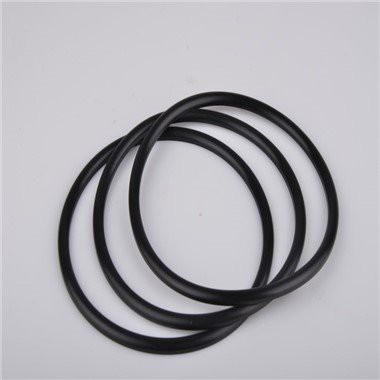

Ensuring the proper fit of a solid O - ring in a groove is crucial for its performance in various applications. As a solid O - ring supplier, I have witnessed firsthand the importance of getting this right. In this blog, I will share some key insights and steps to ensure that your solid O - ring fits perfectly in the groove.
Understanding the Basics of Solid O - Rings
Solid O - rings are widely used in sealing applications across different industries, from automotive to plumbing. They come in various materials, such as silicone rubber and nitrile butadiene rubber (NBR). Each material has its own unique properties, which affect its performance and the way it fits in a groove.
For instance, Silicone Rubber O - ring is known for its excellent temperature resistance and flexibility. It can withstand a wide range of temperatures, making it suitable for applications where temperature fluctuations are common. On the other hand, Rubber NBR O Ring is highly resistant to oil and fuel, making it a popular choice in automotive and industrial applications.
Factors Affecting the Fit of a Solid O - Ring in a Groove
Several factors can influence how well a solid O - ring fits in a groove. These include the dimensions of the O - ring and the groove, the material properties of the O - ring, and the operating conditions.
Dimensions
The dimensions of the O - ring and the groove are perhaps the most critical factors. The O - ring should have the right cross - sectional diameter and inner diameter to fit snugly in the groove. If the O - ring is too large, it may not fit into the groove at all, or it may be over - compressed, leading to premature failure. If it is too small, it may not provide an effective seal.
The groove dimensions also need to be precise. The groove width should be slightly larger than the O - ring cross - sectional diameter to allow for proper compression. The groove depth should be such that the O - ring is compressed to the right amount when installed.
Material Properties
The material properties of the O - ring, such as hardness and elasticity, can also affect its fit. A harder O - ring may require more force to compress and may not conform as well to the groove as a softer one. Elasticity is important because it allows the O - ring to return to its original shape after compression, ensuring a long - lasting seal.
Operating Conditions
The operating conditions, such as temperature, pressure, and the presence of chemicals, can have a significant impact on the fit of the O - ring. High temperatures can cause the O - ring material to expand or degrade, while high pressures can increase the compression on the O - ring. Chemicals can also react with the O - ring material, changing its properties and affecting its fit.
Steps to Ensure a Proper Fit
Step 1: Select the Right O - Ring Material
Based on the operating conditions, choose the appropriate O - ring material. Consider factors such as temperature range, chemical compatibility, and pressure requirements. For example, if the application involves exposure to oil, a Rubber NBR O Ring would be a good choice. If high - temperature resistance is needed, a Silicone Rubber O - ring might be more suitable.
Step 2: Measure the Groove Dimensions
Accurately measure the width and depth of the groove. Use precision measuring tools, such as calipers, to ensure accurate measurements. Make sure to measure at multiple points along the groove to account for any variations.
Step 3: Select the Right O - Ring Dimensions
Based on the groove dimensions, select an O - ring with the appropriate cross - sectional diameter and inner diameter. Refer to industry standards and guidelines to determine the correct O - ring size for your application. Our company offers a wide range of O - ring sizes to meet different requirements, including Rubber O - ring For Home Depot.
Step 4: Check the O - Ring for Defects
Before installation, carefully inspect the O - ring for any defects, such as cuts, nicks, or uneven surfaces. A defective O - ring may not fit properly or may not provide an effective seal.
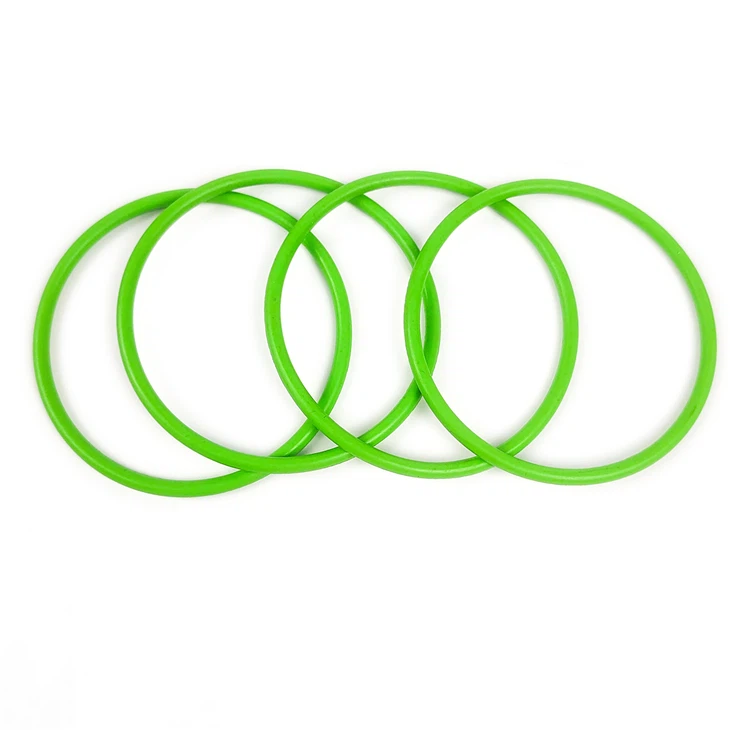

Step 5: Lubricate the O - Ring
Applying a suitable lubricant to the O - ring can make it easier to install and can also improve its sealing performance. Choose a lubricant that is compatible with the O - ring material and the operating conditions.
Step 6: Install the O - Ring
Install the O - ring in the groove carefully, making sure it is evenly seated. Avoid twisting or stretching the O - ring during installation, as this can cause it to deform and affect its fit.
Step 7: Check the Compression
After installation, check the compression of the O - ring. The O - ring should be compressed to the recommended amount, which is typically between 10% and 30% of its cross - sectional diameter. You can use a feeler gauge or other measuring tools to check the compression.
Troubleshooting Common Fit Issues
Even with careful installation, you may encounter some fit issues. Here are some common problems and their solutions:
O - Ring is Too Tight
If the O - ring is too tight to install, it may be because the groove dimensions are too small or the O - ring size is too large. Check the dimensions and select a smaller O - ring or re - machine the groove to the correct size.
O - Ring is Too Loose
If the O - ring is too loose in the groove, it may not provide an effective seal. This could be due to the groove being too wide or the O - ring being too small. Measure the dimensions and select a larger O - ring or re - machine the groove to the correct width.
O - Ring is Deformed
If the O - ring is deformed after installation, it may have been twisted or stretched during installation. Remove the O - ring and reinstall it carefully, making sure it is evenly seated in the groove.
Conclusion
Ensuring the proper fit of a solid O - ring in a groove is essential for its performance and longevity. By understanding the factors that affect the fit, following the steps outlined above, and troubleshooting any issues that arise, you can ensure a successful sealing application.
As a solid O - ring supplier, we are committed to providing high - quality O - rings and expert advice to our customers. If you have any questions or need assistance with selecting the right O - ring for your application, please feel free to contact us for a procurement discussion. We look forward to working with you to meet your sealing needs.
References
- "Sealing Technology Handbook" by John D. Adamson
- "O - Ring Handbook" by Parker Hannifin Corporation