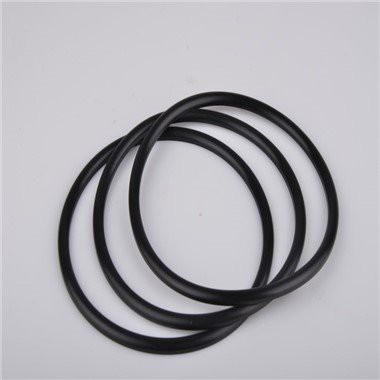
Picking the right solid rubber gasket for your project can be a real head - scratcher. But don't sweat it! As a solid rubber gasket supplier, I'm here to walk you through the process step by step.
First off, it's super important to understand the role of a solid rubber gasket. Simply put, these gaskets are used to create a seal between two or more surfaces. They prevent leaks of gases or liquids, and can also help reduce vibration and noise. You'll find them in all sorts of industries, from automotive to plumbing, and even in aerospace.
The Material Matters
One of the first things you need to think about is the material of the gasket. The material you choose can have a huge impact on how well the gasket performs.
Let's start with Viton Rubber Gasket. Viton is a top - notch option if your project involves high - temperature environments or exposure to chemicals. It can withstand temperatures up to 400°F (204°C) and has excellent resistance to a wide range of chemicals, including fuels, oils, and acids. So, if you're working on an engine or a chemical processing plant, Viton might be your go - to.
Then there's nitrile rubber. It's a popular choice for applications where oil and fuel resistance are key. Nitrile gaskets are commonly used in automotive engines and fuel systems. They're also more affordable compared to some other rubber materials, making them a great option for cost - conscious projects.


EPDM rubber is another solid choice, especially for outdoor applications. It has outstanding weather resistance, so it won't break down easily when exposed to sunlight, ozone, or extreme weather conditions. You'll often see EPDM gaskets in roofing systems, windows, and doors.
Silicone rubber gaskets are known for their flexibility and high - temperature resistance. They can handle temperatures from - 60°F (- 51°C) to 500°F (260°C). These gaskets are often used in food and beverage processing equipment, as silicone is non - toxic and meets FDA requirements.
Size and Specification
Size is a big deal when it comes to gaskets. A gasket that's too big or too small won't do its job properly. Here's where Rubber Gasket Dn Size comes in handy. The DN size refers to the nominal diameter of the gasket, which gives you a standard way to measure and select the right size for your pipes or fittings.
You also need to pay attention to the thickness of the gasket. Thicker gaskets can handle more pressure and are better at filling in uneven surfaces. But they might also be more expensive and take up more space. On the other hand, thinner gaskets are more flexible, but they may not work as well under high pressure.
The shape of the gasket is another factor. Common shapes include round, square, and rectangular. Some gaskets also have custom shapes to fit specific applications. Make sure you accurately measure the spaces where the gasket will be installed to choose the right shape and size.
Operating Conditions
The operating conditions of your project play a crucial role in gasket selection.
Temperature: As I mentioned earlier, different rubber materials have different temperature limits. If your project involves high - temperature processes, like in a furnace or a steam system, you need a gasket that can handle the heat. On the flip side, in cold - weather applications, you want a gasket that remains flexible at low temperatures.
Pressure: High - pressure environments require gaskets that can withstand the force without breaking or leaking. For example, in hydraulic systems, the gaskets need to be able to handle the pressure of the fluid flowing through the pipes.
Chemical Exposure: If your gasket will come into contact with chemicals, it's essential to choose a material that's resistant to those chemicals. For instance, if your project involves handling acids, you should avoid materials that are easily corroded by acids.
Compatibility with Surfaces
The gasket needs to be compatible with the surfaces it will be in contact with. For example, if you're using a gasket on a metal surface, you need to make sure the rubber material won't react with the metal. Some rubbers can cause corrosion on certain metals over time, so it's important to do your research.
Also, consider the surface finish of the mating parts. A rough surface might require a gasket with more compressibility to create a good seal. In contrast, a smooth surface can work well with a thinner, less compressible gasket.
Cost and Availability
Cost is always a consideration in any project. Different rubber materials and gasket sizes come at different prices. You need to find a balance between quality and cost. Sometimes, it might be worth spending a little more on a high - quality gasket if it can save you money in the long run by reducing the risk of leaks and downtime.
Availability is another factor. Some specialty gaskets might take longer to produce or be harder to find. Make sure you plan ahead and order your gaskets in advance, especially if you're working on a tight schedule.
Quality and Certification
When choosing a solid rubber gasket, it's important to consider the quality of the product. Look for a supplier that has a good reputation for producing high - quality gaskets. You can check customer reviews and testimonials to get an idea of the supplier's track record.
Certifications are also a good sign of quality. For example, if the gaskets are used in food or medical applications, they should meet relevant FDA or medical device standards. Certifications like ISO 9001 can also indicate that the supplier has a quality management system in place.
Our Offer as a Supplier
As a solid rubber gasket supplier, we've got you covered. We offer a wide range of General Rubber Gasket options in different materials, sizes, and shapes. Whether you need a Viton gasket for a high - temperature chemical process or a nitrile gasket for your automotive project, we can provide it.
We understand that every project is unique, so we're happy to offer custom - made gaskets to meet your specific requirements. Our team of experts is always ready to help you choose the right gasket for your needs. We can provide technical advice, answer your questions, and even assist with installation if needed.
If you're interested in purchasing solid rubber gaskets for your project, don't hesitate to get in touch. We're here to make the process as smooth and hassle - free as possible. Whether you're a small business or a large corporation, we're committed to providing you with top - notch products and excellent customer service.
References
- “Handbook of Elastomers” by Jacob I. Kroschwitz
- “Rubber Technology” by Maurice Morton