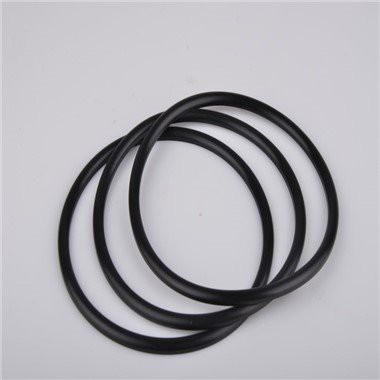

Hey there! As a supplier of rubber caps, I often get asked, "How long do rubber caps last?" Well, it's not a one - size - fits - all answer, and in this blog, I'm gonna break it down for you.
First off, let's talk about what rubber caps are. We've got a wide range of them, like Silicone Covers Caps, Rubber Bolt Cap, and Rubber Square Caps. Each type has its own unique features and uses, and these also play a role in how long they'll last.
Factors Affecting the Lifespan of Rubber Caps
1. Material Quality
The quality of the rubber used to make the caps is a huge factor. High - quality rubber is more durable and resistant to wear and tear. For instance, silicone rubber is known for its excellent heat resistance, weather resistance, and flexibility. Caps made from high - grade silicone can last a long time, even in harsh environments. On the other hand, lower - quality rubber may start to degrade more quickly, cracking or losing its shape over time.
2. Environmental Conditions
Where the rubber caps are used matters a lot. If they're exposed to extreme temperatures, either very hot or very cold, it can affect their lifespan. In high - temperature environments, rubber can become soft and lose its elasticity. In cold temperatures, it can become brittle and crack. UV exposure is another enemy of rubber. Sunlight can cause the rubber to break down over time, especially if the caps are constantly in direct sunlight. Chemical exposure is also a concern. If the caps come into contact with chemicals like solvents, acids, or oils, it can cause the rubber to swell, harden, or deteriorate.
3. Usage Frequency
How often the rubber caps are used plays a part too. If they're constantly being put on and taken off, or if they're under a lot of stress during normal use, they'll wear out faster. For example, rubber caps on machinery that operates 24/7 will likely have a shorter lifespan compared to those on equipment that's only used occasionally.
Lifespan Estimates for Different Types of Rubber Caps
Silicone Covers Caps
Silicone is a super - versatile material. Silicone covers caps can last anywhere from 5 to 15 years, depending on the factors we just talked about. In a relatively mild environment with low usage frequency, they can easily reach the upper end of that range. For example, if they're used to cover electrical connectors in an indoor, climate - controlled setting, they'll last a long time. But if they're used outdoors in a place with high UV exposure and extreme temperature fluctuations, their lifespan may be closer to the 5 - year mark.
Rubber Bolt Cap
Rubber bolt caps are often used to protect bolts from corrosion and damage. Their lifespan can range from 3 to 10 years. If they're used in a dry, clean environment, they can last towards the longer end of the range. However, if they're in a wet or dirty environment, where they're constantly exposed to moisture and dirt, they may start to degrade within 3 - 5 years.
Rubber Square Caps
Rubber square caps are used in a variety of applications, from protecting corners to covering holes. Their lifespan is typically between 4 and 12 years. In a stable, low - stress environment, they can last longer. But if they're subject to a lot of physical stress, like being constantly bumped or squeezed, their lifespan will be shorter.
Tips to Extend the Lifespan of Rubber Caps
1. Proper Installation
Make sure the rubber caps are installed correctly. If they're not installed properly, they may be under unnecessary stress, which can lead to premature wear. Follow the manufacturer's installation instructions carefully.
2. Regular Inspection
Check the rubber caps regularly for signs of wear, such as cracks, tears, or changes in shape. If you notice any issues early on, you can replace the caps before they fail completely.
3. Cleaning and Maintenance
Keep the caps clean. If they're dirty, clean them with a mild soap and water solution. Avoid using harsh chemicals that can damage the rubber. Also, if they're in an area where they're likely to be exposed to chemicals or other harmful substances, consider using a protective coating.


Conclusion
So, as you can see, the lifespan of rubber caps can vary widely depending on material quality, environmental conditions, and usage frequency. But with proper care and selection, you can get the most out of your rubber caps.
If you're in the market for high - quality rubber caps, whether it's Silicone Covers Caps, Rubber Bolt Cap, or Rubber Square Caps, we've got you covered. We offer a wide range of rubber caps that are made from top - notch materials and designed to last. If you're interested in learning more or making a purchase, feel free to reach out for a procurement discussion. We're here to help you find the perfect rubber caps for your needs.
References
- "Handbook of Rubber Technology" by K. C. George
- "Rubber Science and Technology" by Maurice Morton