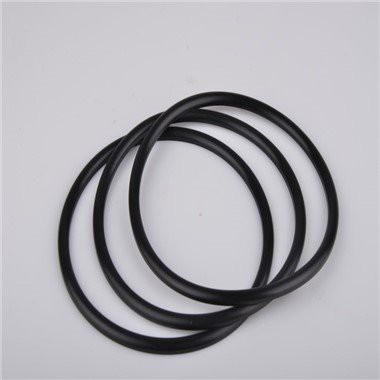

Selecting the right thickness for a rubber gasket is crucial in various applications, whether it's for industrial machinery, household appliances, or automotive parts. As a rubber gaskets supplier, I've encountered numerous customers who are unsure about how to make this important decision. In this blog post, I'll share some insights and tips on how to select the appropriate thickness for a rubber gasket.
Understanding the Basics of Rubber Gaskets
Before we dive into the thickness selection process, let's quickly go over what rubber gaskets are and what they do. Rubber gaskets are used to create a seal between two or more surfaces, preventing the leakage of fluids (like water, oil, or gas) or the ingress of contaminants. They come in a wide range of shapes, sizes, and materials, each designed for specific applications.
Factors to Consider When Choosing Gasket Thickness
1. Application Pressure
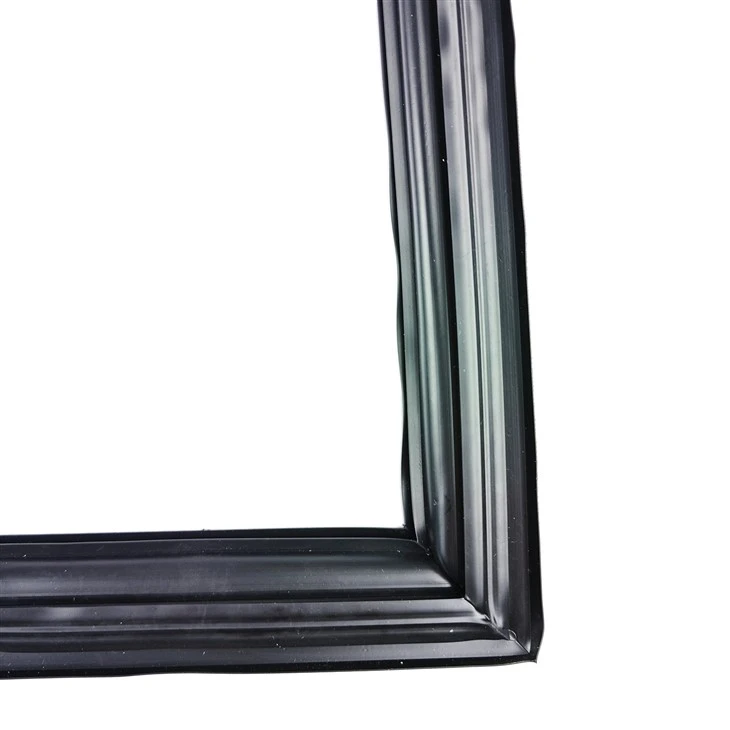
One of the most critical factors in determining the right gasket thickness is the pressure the gasket will be subjected to. Higher pressures generally require thicker gaskets. For example, in high-pressure industrial pipelines, a thicker rubber gasket can better withstand the force exerted by the flowing fluid without deforming or failing. On the other hand, in low-pressure applications like a Refrigerator Door Gaskets, a thinner gasket may be sufficient to create an airtight seal.
2. Surface Roughness
The roughness of the surfaces the gasket will be sealing against also plays a role. If the surfaces are rough, a thicker gasket can conform better to the irregularities, creating a more effective seal. In contrast, smooth surfaces may allow for the use of a thinner gasket. For instance, in precision machinery with highly polished mating surfaces, a thinner rubber gasket can provide a reliable seal.
3. Compression Ratio
The compression ratio refers to the amount the gasket will be compressed when installed. A higher compression ratio typically calls for a thicker gasket. When a gasket is compressed, it fills the gaps between the mating surfaces. If the compression ratio is too high for a thin gasket, it may be over-compressed, leading to premature failure. Conversely, a thick gasket may not be fully compressed, resulting in an ineffective seal. So, it's important to calculate the appropriate compression ratio based on the application requirements.
4. Temperature and Chemical Exposure
The operating temperature and the presence of chemicals can affect the performance of a rubber gasket. Some rubber materials may become brittle or soft at extreme temperatures, and certain chemicals can cause degradation. In applications where the gasket will be exposed to high temperatures or harsh chemicals, a thicker gasket may be needed to provide better resistance and durability. For example, in an automotive engine where there are high temperatures and exposure to engine oil, a thicker rubber gasket can ensure a longer service life.
Examples of Different Applications and Gasket Thickness
Household Appliances
In household appliances, the gasket thickness requirements vary depending on the type of appliance. For Refrigerator Door Gaskets, a relatively thin gasket, usually around 1 - 3 millimeters, is sufficient. These gaskets are designed to create an airtight seal to keep the cold air inside the refrigerator. A thin gasket can easily conform to the door frame and provide a good seal without being too bulky.
On the other hand, in a washing machine, the gaskets around the drum may need to be thicker, perhaps 3 - 5 millimeters. These gaskets need to withstand the pressure and movement of the water during the washing cycle, as well as potential exposure to detergents and other chemicals.
Automotive Industry
In the automotive industry, different parts require different gasket thicknesses. Sunroof Rubber Gasket are typically thinner, around 2 - 3 millimeters. They need to provide a seal against water and dust while also allowing for smooth operation of the sunroof. Meanwhile, engine gaskets, such as head gaskets, are much thicker, often ranging from 5 - 10 millimeters. These gaskets need to withstand high pressures, temperatures, and the forces generated by the engine's operation.
Industrial Machinery
Industrial machinery often has more demanding requirements. For example, in hydraulic systems, gaskets need to withstand high pressures. A thicker gasket, say 5 - 15 millimeters, may be necessary to ensure a reliable seal. In chemical processing plants, where there is exposure to corrosive chemicals, a thick and chemically resistant gasket is essential to prevent leaks and ensure safety.
Testing and Validation
Once you've selected a potential gasket thickness based on the above factors, it's a good idea to conduct some testing. You can perform a simple compression test to see how the gasket behaves under the expected compression ratio. You can also simulate the operating conditions, such as temperature and chemical exposure, to evaluate the gasket's performance. If possible, test the gasket in a real-world application or a prototype before full-scale production.
Conclusion
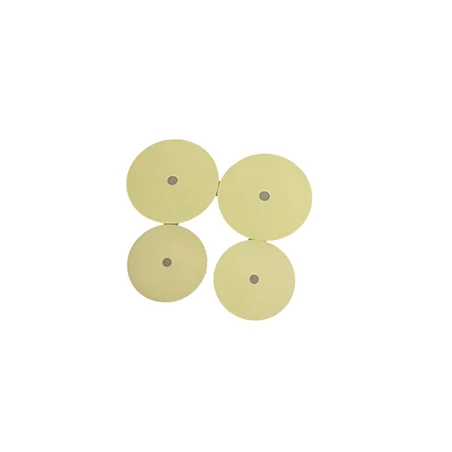
Selecting the right thickness for a rubber gasket is a complex process that requires careful consideration of multiple factors. By taking into account the application pressure, surface roughness, compression ratio, temperature, and chemical exposure, you can make an informed decision. And remember, if you're still unsure or need more advice, don't hesitate to reach out to us. As a rubber gaskets supplier, we have the expertise and experience to help you find the perfect gasket for your needs. Whether you're looking for Refrigerator Door Gaskets, Diverter Spider Gasket, or Sunroof Rubber Gasket, we can provide you with high-quality products and professional guidance. So, if you're in the market for rubber gaskets, contact us today to start the procurement process and discuss your specific requirements.
References
- "Handbook of Seal Technology" by John H. Bickford
- "Rubber Technology: Compounding, Testing, and Applications" by Maurice Morton