
Can rubber O - rings be used in automotive engines? That's a question I get asked a lot as a supplier of Rubber O Rings. And the short answer is yes, they can. But there's a whole lot more to it than that, so let's dive in and explore this topic in detail.
Why Rubber O - rings in Automotive Engines?
Automotive engines are complex machines with a ton of moving parts. They generate a crazy amount of heat, pressure, and vibration. Sealing is crucial in such an environment to prevent leaks of fluids like oil, coolant, and fuel, and to keep contaminants out. That's where rubber O - rings come in.
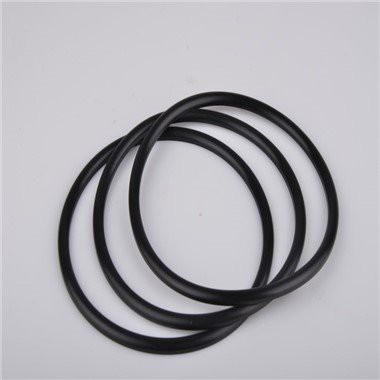
Rubber O - rings are doughnut - shaped seals made from various types of rubber compounds. They're simple yet incredibly effective. When squeezed between two surfaces, they form a tight seal that can withstand different levels of pressure and temperature.
Types of Rubber for O - rings in Engines
There are several types of rubber that can be used to make O - rings suitable for automotive engines.
Nitrile Rubber (NBR): This is one of the most commonly used materials for O - rings in engines. Nitrile rubber has excellent resistance to oil, fuel, and other automotive fluids. It can handle a wide range of temperatures, usually from about - 40°F to 250°F (- 40°C to 121°C). It's also relatively inexpensive, which makes it a popular choice for many automotive applications.
Fluorocarbon Rubber (FKM): Also known as Viton, FKM O - rings are used in more demanding engine applications. They have outstanding resistance to high temperatures, chemicals, and fuels. They can withstand temperatures up to 400°F (204°C) or even higher in some cases. However, they're more expensive than nitrile rubber O - rings.
Silicone Rubber: Silicone Rubber O Rings Low Temperature Resistant Seals are great for applications where low - temperature flexibility is required. They can remain flexible at temperatures as low as - 60°F (- 51°C). Silicone rubber also has good resistance to heat and weathering. But it's not as resistant to oils and fuels as nitrile or fluorocarbon rubber, so it's typically used in non - fluid - contact applications or in applications where the fluid contact is minimal.


Advantages of Using Rubber O - rings in Engines
Sealing Performance: Rubber O - rings provide an excellent seal. They can conform to the surfaces they're sealing against, even if there are minor irregularities. This helps prevent leaks of fluids and gases, which is essential for the proper operation of an automotive engine.
Vibration Damping: Engines produce a lot of vibration. Rubber O - rings can help dampen these vibrations, reducing noise and wear on engine components. This can extend the lifespan of the engine and improve the overall driving experience.
Cost - Effectiveness: Compared to some other sealing solutions, rubber O - rings are relatively inexpensive. They're also easy to install, which can save on labor costs during engine assembly or maintenance.
Challenges and Considerations
Temperature and Chemical Resistance: As I mentioned earlier, different types of rubber have different temperature and chemical resistance properties. It's crucial to choose the right type of rubber O - ring for the specific application in the engine. For example, using a nitrile rubber O - ring in a high - temperature area where fluorocarbon rubber is required could lead to premature failure of the O - ring.
Compression Set: Over time, rubber O - rings can lose their elasticity due to compression. This is known as compression set. If the O - ring has a high compression set, it may not be able to maintain a proper seal. To minimize compression set, it's important to choose a high - quality rubber compound and ensure that the O - ring is installed correctly with the right amount of compression.
Custom O - rings for Automotive Engines
Every automotive engine is different, and sometimes standard O - rings just won't cut it. That's where custom O - rings come in handy. Limitless Option Custom O Ring allows us to create O - rings that are specifically designed to meet the unique requirements of a particular engine.
We can customize the size, shape, and material of the O - ring. For example, if an engine has a non - standard groove size, we can make an O - ring that fits perfectly. Or if a specific chemical resistance is needed, we can choose the appropriate rubber compound.
Encapsulated O - rings
Another option for automotive engines is O - rings With PTFE Encapsulated. These O - rings have a rubber core encapsulated in a PTFE (polytetrafluoroethylene) shell. The PTFE shell provides excellent chemical resistance, low friction, and good wear resistance. The rubber core provides the elasticity needed for sealing. Encapsulated O - rings are often used in applications where high - performance sealing is required, such as in fuel injection systems.
Conclusion
So, can rubber O - rings be used in automotive engines? Absolutely! They're a reliable and cost - effective sealing solution for a wide range of engine applications. However, it's important to choose the right type of rubber and ensure proper installation to get the best performance.
If you're in the automotive industry and need high - quality rubber O - rings for your engines, we're here to help. We have a wide range of standard and custom O - rings to meet your needs. Whether you need nitrile, fluorocarbon, silicone, or encapsulated O - rings, we've got you covered. Contact us to start a procurement discussion and find the perfect O - ring solution for your automotive engines.
References
- "Sealing Technology Handbook" by John H. Bickford
- "Automotive Engine Design" by David Crolla