
Hey there! As a supplier of silicone hoses, I've seen firsthand how crucial it is to ensure a tight fit when installing these hoses. A loose fit can lead to all sorts of problems, like leaks, reduced performance, and even potential damage to your equipment. So, in this blog post, I'm gonna share some tips and tricks on how to make sure you get that perfect, tight fit every time.
Choose the Right Size Hose
The first step in ensuring a tight fit is to choose the right size hose for your application. Sounds obvious, right? But you'd be surprised how many people overlook this. When you're selecting a silicone hose, you need to consider both the inner diameter (ID) and the outer diameter (OD). The ID should match the size of the fitting or pipe it's going to be connected to, while the OD should be compatible with any clamps or connectors you'll be using.
For example, if you're installing a Universal Silicone Radiator Hose, you'll want to measure the radiator inlet and outlet ports to determine the correct ID. Make sure to measure at multiple points to account for any variations in size. Once you have the ID, you can select a hose with a corresponding size.
Prepare the Hose and Fittings
Before you start installing the hose, it's important to prepare both the hose and the fittings. This will help ensure a clean, smooth connection and prevent any debris or contaminants from getting in the way.
First, clean the inside of the hose and the outside of the fittings with a mild detergent and water. Rinse thoroughly and dry completely. You can also use a silicone lubricant to help the hose slide onto the fittings more easily. Just make sure to use a lubricant that's compatible with silicone hoses.
Next, inspect the hose and fittings for any signs of damage or wear. Look for cracks, cuts, or other defects that could affect the fit or performance of the hose. If you find any issues, replace the damaged parts before proceeding.
Use the Right Clamps
Using the right clamps is essential for ensuring a tight fit. There are several types of clamps available, including worm gear clamps, T-bolt clamps, and constant tension clamps. Each type has its own advantages and disadvantages, so it's important to choose the one that's best suited for your application.
Worm gear clamps are the most common type of clamp and are suitable for most applications. They're easy to install and adjust, and they provide a reliable, tight fit. T-bolt clamps are more heavy-duty and are typically used in high-pressure applications. They offer a more secure hold and are less likely to loosen over time. Constant tension clamps are designed to maintain a consistent level of pressure on the hose, even as the temperature and pressure change. They're ideal for applications where a tight, leak-free seal is critical.
When selecting a clamp, make sure to choose one that's the right size for the hose and the fitting. The clamp should be able to provide enough pressure to hold the hose in place without damaging it. You can use a clamp sizing chart to determine the correct size for your application.
Install the Hose Properly
Once you've chosen the right size hose, prepared the hose and fittings, and selected the right clamps, it's time to install the hose. Here are some tips to help you install the hose properly and ensure a tight fit:
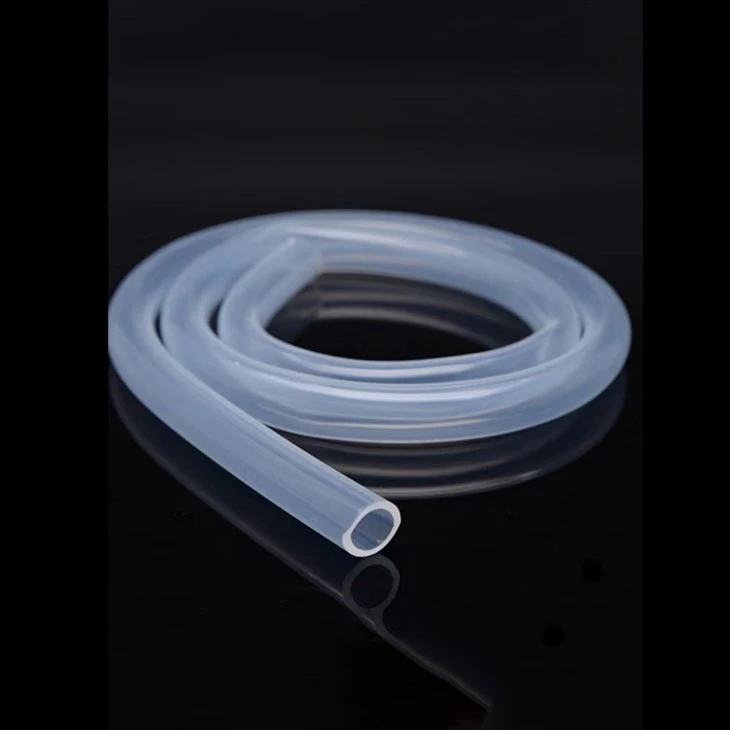

- Slide the hose onto the fitting: Start by sliding the hose onto the fitting as far as it will go. Make sure the hose is centered on the fitting and that there are no kinks or bends in the hose.
- Position the clamp: Place the clamp over the hose and the fitting, making sure it's centered and evenly spaced. Tighten the clamp using a screwdriver or a clamp tightening tool. Make sure to tighten the clamp evenly to avoid creating any uneven pressure on the hose.
- Check the fit: Once the clamp is tightened, check the fit of the hose. Make sure the hose is securely attached to the fitting and that there are no gaps or leaks. You can use a pressure tester to check for leaks if necessary.
- Repeat the process: If you're installing multiple hoses, repeat the process for each hose. Make sure to use the same size hose and clamps for all of the connections to ensure a consistent fit.
Consider Using Hose Adapters
In some cases, you may need to use hose adapters to connect the hose to the fitting. Hose adapters are used to change the size or shape of the fitting to match the hose. They're available in a variety of sizes and styles, so you can choose the one that's best suited for your application.
When using hose adapters, make sure to choose one that's compatible with the hose and the fitting. The adapter should be able to provide a tight, leak-free seal between the hose and the fitting. You can use a thread sealant or a gasket to help ensure a secure connection.
Test the System
Once you've installed the hose, it's important to test the system to make sure everything is working properly. Start by filling the system with the appropriate fluid and checking for any leaks. You can also run the system at a low speed to check for any vibrations or other issues.
If you notice any leaks or other problems, stop the system immediately and inspect the connections. Make sure the hose is properly installed and that the clamps are tightened securely. If necessary, make any adjustments or repairs and test the system again.
Conclusion
Ensuring a tight fit when installing silicone hoses is essential for preventing leaks, reducing downtime, and extending the life of your equipment. By following these tips and tricks, you can make sure you get that perfect, tight fit every time.
If you have any questions or need help selecting the right silicone hoses for your application, please don't hesitate to contact us. We're a leading supplier of Silicone Rubber Hose and Turbo Rubber Hose, and we're here to help you find the best solution for your needs. We offer a wide range of products, competitive prices, and excellent customer service. So, whether you're a DIY enthusiast or a professional mechanic, we've got you covered.
Contact us today to learn more about our products and services and to start your next project with confidence.
References
- "Silicone Hoses: A Comprehensive Guide." Rubber Manufacturer's Association.
- "Hose Installation and Maintenance Guide." Gates Corporation.
- "How to Choose the Right Clamps for Your Hoses." Parker Hannifin Corporation.