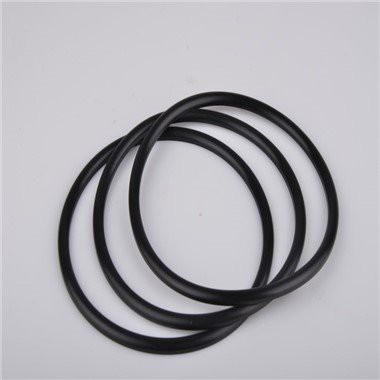

Do rubber gaskets need to be replaced regularly?
As a supplier of rubber gaskets, I often encounter questions from customers regarding the necessity of regular replacement of rubber gaskets. This topic is of great significance as it directly impacts the performance, safety, and cost - effectiveness of various applications where rubber gaskets are used.
Factors Affecting the Need for Regular Replacement
1. Material Degradation
Rubber is a polymer material, and over time, it can undergo degradation due to multiple factors. Exposure to high temperatures is one of the main culprits. When rubber gaskets are used in environments with elevated temperatures, such as in automotive engines or industrial furnaces, the rubber molecules start to break down. This breakdown leads to a loss of elasticity, making the gasket less effective in sealing. For instance, a rubber gasket in an engine cylinder head may experience temperatures well above 100°C. Prolonged exposure to such heat can cause the rubber to harden and crack, reducing its ability to maintain a tight seal. According to industry research, rubber gaskets in high - temperature applications may need to be replaced every 1 - 2 years, depending on the specific temperature range and the type of rubber used.
Chemical exposure is another critical factor. If rubber gaskets come into contact with harsh chemicals, solvents, or oils, they can swell, shrink, or become brittle. For example, in the chemical processing industry, gaskets used in pipelines carrying corrosive chemicals are at high risk. A gasket made of natural rubber may not be suitable for use with certain solvents, as it can dissolve or lose its physical properties. In such cases, more chemically resistant rubber materials like Viton or EPDM are often used. However, even these materials have a limited lifespan when continuously exposed to aggressive chemicals, and regular replacement every 6 months to a year may be necessary.
2. Compression Set
Rubber gaskets work by being compressed between two surfaces to create a seal. Over time, the rubber can develop a compression set. This means that it loses its ability to return to its original shape after being compressed. As a result, the gasket may no longer provide an adequate seal, leading to leaks. In applications where gaskets are under constant pressure, such as in hydraulic systems, compression set can occur relatively quickly. For example, a Rubber Gasket Air Cylinder in a pneumatic system may experience high - frequency compression and decompression cycles. In such systems, gaskets may need to be inspected regularly, and replacement may be required every 1 - 3 years, depending on the operating pressure and the frequency of use.
3. Wear and Tear
Mechanical wear and tear can also affect the performance of rubber gaskets. In applications where there is movement or vibration, the gasket can be subject to abrasion. For example, in a blender, the Gasket For Blender is exposed to the rotating blades and the movement of the blending container. This constant movement can cause the rubber to wear down over time. Additionally, improper installation can also lead to premature wear. If a gasket is not installed correctly, it may be subjected to uneven stress, which can accelerate its deterioration. In general, gaskets in applications with high levels of mechanical stress may need to be replaced every 6 months to 2 years.
Applications and Replacement Intervals
1. Automotive Industry
In the automotive industry, rubber gaskets are used in various components, including engines, transmissions, and fuel systems. Engine gaskets, such as the head gasket, are crucial for maintaining the proper compression in the cylinders and preventing coolant and oil leaks. Due to the high - temperature and high - pressure environment in an engine, these gaskets are under extreme stress. Most automotive manufacturers recommend replacing engine gaskets every 60,000 - 100,000 miles, depending on the vehicle model and driving conditions.
Transmission gaskets are also important for preventing fluid leaks. Since transmissions operate at relatively high temperatures and are subject to mechanical stress, these gaskets may need to be replaced every 30,000 - 60,000 miles. Fuel system gaskets, which are in contact with gasoline or diesel fuel, need to be resistant to these fuels. They may require replacement every 50,000 - 80,000 miles to ensure proper sealing and prevent fuel leaks.
2. Industrial Applications
In industrial settings, rubber gaskets are used in a wide range of equipment, such as pumps, valves, and heat exchangers. Pumps often handle various fluids, and the gaskets need to be compatible with these fluids. In a water - pumping system, gaskets may last 2 - 3 years. However, in a system handling abrasive or corrosive fluids, replacement may be required more frequently, perhaps every 1 - 2 years.
Valve gaskets are essential for controlling the flow of fluids and gases. They are subject to pressure changes and movement. Depending on the operating conditions, valve gaskets may need to be replaced every 1 - 3 years. Heat exchangers use gaskets to separate different fluids and prevent leakage. Since heat exchangers operate at different temperatures, the gaskets need to withstand thermal cycling. In a typical industrial heat exchanger, gaskets may need to be replaced every 1 - 2 years.
3. Consumer Products
In consumer products, rubber gaskets are found in appliances like refrigerators, washing machines, and blenders. In a refrigerator, the door gasket is responsible for keeping the cold air inside. Over time, the gasket can lose its flexibility due to exposure to temperature changes and dust. It may need to be replaced every 5 - 10 years. A PU Foam Gasket With Backing used in a washing machine may be subject to water and detergent exposure. These gaskets may require replacement every 3 - 5 years.


Benefits of Regular Replacement
1. Improved Performance
Regularly replacing rubber gaskets ensures that the equipment or system operates at its optimal level. A properly functioning gasket provides a tight seal, which is essential for maintaining pressure, preventing leaks, and ensuring the efficient transfer of fluids or gases. For example, in a hydraulic system, a new gasket can prevent fluid leakage, which can lead to a loss of pressure and reduced performance.
2. Enhanced Safety
Leaking gaskets can pose significant safety risks. In industrial settings, a leak of a hazardous chemical or a flammable gas can lead to accidents, fires, or environmental pollution. In the automotive industry, a coolant leak due to a faulty gasket can cause the engine to overheat, which can lead to engine damage and potentially dangerous situations on the road. By replacing gaskets regularly, these safety risks can be minimized.
3. Cost - Effectiveness
Although the cost of replacing rubber gaskets may seem like an additional expense, it can actually be cost - effective in the long run. A small investment in regular gasket replacement can prevent major breakdowns and costly repairs. For example, a blown head gasket in an engine can result in extensive engine damage, which can cost thousands of dollars to repair. By replacing the gasket at the recommended intervals, the risk of such a breakdown can be significantly reduced.
Conclusion
In conclusion, rubber gaskets generally need to be replaced regularly, but the exact replacement interval depends on various factors such as the application, the operating environment, and the type of rubber used. As a supplier of high - quality rubber gaskets, we understand the importance of providing products that meet the specific needs of our customers. We offer a wide range of rubber gaskets, including Rubber Gasket Air Cylinder, PU Foam Gasket With Backing, and Gasket For Blender, to ensure that your equipment operates efficiently and safely.
If you are interested in learning more about our rubber gaskets or have specific requirements for your applications, please feel free to contact us for procurement and further discussion. We are committed to providing you with the best products and services to meet your needs.
References
- "Rubber Technology Handbook" by Werner Hofmann.
- "Handbook of Elastomers" edited by Brian M. Culbertson.
- Industry reports from automotive and industrial equipment manufacturers on gasket replacement guidelines.