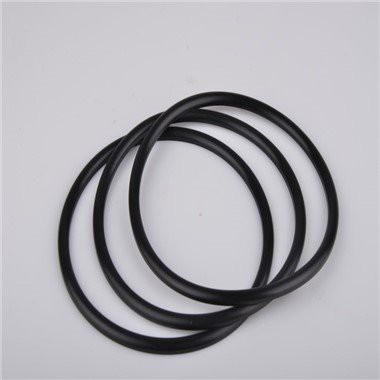

As a seasoned supplier of Rubber D-rings, I've received numerous inquiries regarding the resistance of these essential components to acids and alkalis. This blog post aims to delve into this topic, providing a comprehensive analysis based on scientific knowledge and real-world experience.


Understanding Rubber D-rings
Before we explore the resistance of Rubber D-rings to acids and alkalis, it's crucial to understand what they are and their common applications. Rubber D-rings are a type of rubber seal with a D-shaped cross-section. They are widely used in various industries due to their unique shape, which provides a more secure and stable fit compared to traditional O-rings.
These D-rings find applications in a multitude of areas. For instance, they are used as sealing elements in hydraulic systems, where they prevent fluid leakage and maintain system pressure. You can learn more about their sealing applications here. Additionally, Rubber D-rings are also utilized in bumper mounts to absorb shock and reduce vibration, as described here. And for general sealing purposes, the Rubber D Ring Seal is a popular choice.
Chemical Resistance of Rubber D-rings
The resistance of Rubber D-rings to acids and alkalis depends on several factors, primarily the type of rubber material used in their manufacturing. Different rubber compounds have varying chemical resistance properties, which are determined by their molecular structure and chemical composition.
Natural Rubber
Natural rubber is one of the most commonly used materials for Rubber D-rings. It has excellent elasticity and mechanical properties, making it suitable for many applications. However, natural rubber has limited resistance to acids and alkalis. It can be easily attacked by strong acids and alkalis, which can cause swelling, degradation, and loss of mechanical properties. For example, exposure to concentrated sulfuric acid or sodium hydroxide can quickly damage natural rubber D-rings, rendering them ineffective.
Nitrile Rubber (NBR)
Nitrile rubber is another popular choice for Rubber D-rings, especially in applications where oil and fuel resistance are required. NBR has better resistance to acids and alkalis compared to natural rubber. It can withstand a wide range of weak to moderately strong acids and alkalis, such as acetic acid and sodium carbonate. However, it is still susceptible to attack by strong oxidizing acids and concentrated alkalis. For instance, exposure to nitric acid or concentrated potassium hydroxide can cause significant damage to NBR D-rings.
EPDM Rubber
EPDM rubber is known for its excellent resistance to weathering, ozone, and chemicals. It has very good resistance to acids and alkalis, making it suitable for applications in harsh chemical environments. EPDM can withstand a wide range of acids, including sulfuric acid, hydrochloric acid, and phosphoric acid, as well as alkalis such as sodium hydroxide and potassium hydroxide. However, it may not be suitable for applications involving strong oxidizing agents or certain organic solvents.
Fluorocarbon Rubber (FKM)
Fluorocarbon rubber, also known as Viton, is a high-performance rubber material with exceptional chemical resistance. It has excellent resistance to a wide range of acids, alkalis, and other chemicals, including strong oxidizing agents and organic solvents. FKM D-rings can withstand extreme chemical environments and high temperatures, making them ideal for applications in the chemical, petrochemical, and aerospace industries. However, FKM is a relatively expensive material, and its use may be limited by cost considerations.
Factors Affecting Chemical Resistance
In addition to the type of rubber material, several other factors can affect the chemical resistance of Rubber D-rings. These factors include:
- Concentration and Temperature: The concentration and temperature of the acid or alkali solution can significantly affect the rate of chemical attack. Higher concentrations and temperatures generally increase the reactivity of the chemicals and accelerate the degradation of the rubber.
- Exposure Time: The longer the Rubber D-ring is exposed to the acid or alkali, the greater the extent of damage. Continuous or prolonged exposure can lead to more severe degradation and loss of performance.
- Mechanical Stress: Mechanical stress, such as compression or tension, can also affect the chemical resistance of Rubber D-rings. Stress can cause cracks or defects in the rubber, which can provide pathways for the chemicals to penetrate and cause damage.
Testing and Evaluation
To ensure the suitability of Rubber D-rings for specific applications involving acids and alkalis, it is essential to conduct proper testing and evaluation. This may include:
- Chemical Immersion Testing: Rubber samples are immersed in the acid or alkali solution for a specified period at a given temperature. The samples are then evaluated for changes in weight, volume, hardness, and mechanical properties.
- Field Testing: Field testing involves installing the Rubber D-rings in the actual application and monitoring their performance over time. This can provide valuable information about the long-term chemical resistance and durability of the D-rings under real-world conditions.
Conclusion
In conclusion, the resistance of Rubber D-rings to acids and alkalis depends on the type of rubber material used, as well as other factors such as concentration, temperature, exposure time, and mechanical stress. Different rubber compounds have varying chemical resistance properties, and the choice of material should be based on the specific requirements of the application.
As a Rubber D-ring supplier, we offer a wide range of rubber materials to meet the diverse needs of our customers. Whether you need D-rings with excellent acid resistance, alkali resistance, or both, we can provide you with the right solution. Our team of experts can help you select the most suitable rubber material for your application and ensure that the D-rings meet your quality and performance requirements.
If you are interested in purchasing Rubber D-rings or have any questions about their chemical resistance, please feel free to contact us for a consultation. We look forward to working with you to find the best sealing solution for your needs.
References
- "Rubber Technology Handbook" by Werner Hofmann
- "Elastomers and Rubber Compounding Materials" by Maurice Morton
- Technical data sheets provided by rubber manufacturers