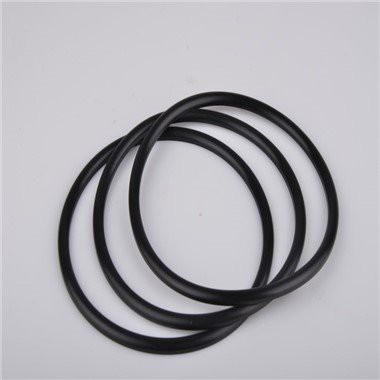

Do EPDM rubber rings have a smell?
As a supplier of EPDM rubber rings, I often encounter questions from customers regarding the potential smell of these products. EPDM, or ethylene propylene diene monomer, is a synthetic rubber known for its excellent weather resistance, electrical insulation properties, and resistance to heat, ozone, and chemicals. These characteristics make EPDM rubber rings a popular choice in various industries, including automotive, plumbing, and electrical applications.
Understanding the Source of Odor in Rubbers
To understand whether EPDM rubber rings have a smell, it's essential to first explore the factors that can contribute to odor in rubber products. During the manufacturing process of rubber, several chemicals are used, such as accelerators, antioxidants, and plasticizers. These additives are crucial for enhancing the performance and durability of the rubber. However, some of these chemicals can emit volatile organic compounds (VOCs), which are responsible for the smell often associated with new rubber products.

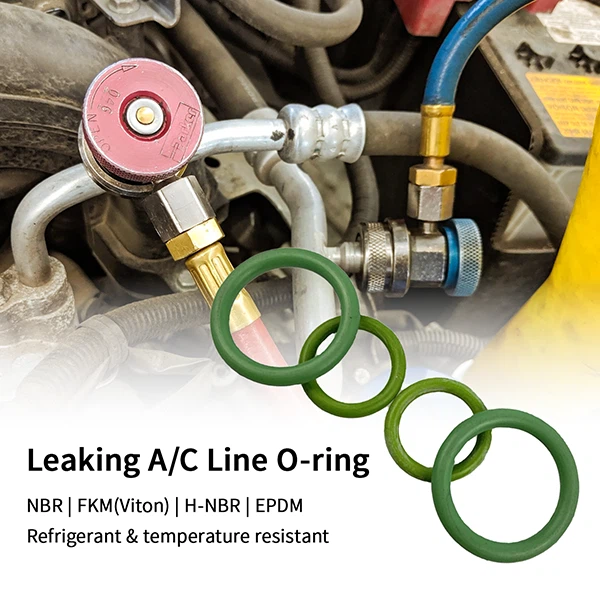
In the case of EPDM rubber, the raw materials and the specific formulation used in production play a significant role in determining the presence and intensity of odor. High - quality EPDM rubber compounds are formulated to minimize the release of VOCs. The purity of the ethylene, propylene, and diene monomers used, as well as the type and quantity of additives, can all affect the odor profile of the final product.
The Smell of EPDM Rubber Rings
Generally speaking, EPDM rubber rings may have a slight smell when they are newly manufactured. This smell is usually mild and can be described as a typical rubbery odor. However, compared to some other types of rubber, such as natural rubber or neoprene, the smell of EPDM rubber is relatively faint.
The smell is more noticeable in the initial stages after production. As the rubber ages and is exposed to air, the volatile compounds gradually dissipate, and the odor becomes less and less perceptible. In most cases, after a few days to a couple of weeks of airing out, the smell becomes negligible.
Factors Affecting the Odor of EPDM Rubber Rings
- Manufacturing Process: A well - controlled manufacturing process can significantly reduce the odor of EPDM rubber rings. For example, proper vulcanization, which is the process of cross - linking the rubber molecules, can ensure that the additives are fully incorporated into the rubber matrix, reducing the release of VOCs. Additionally, post - treatment processes such as washing and drying can help remove any residual chemicals on the surface of the rubber rings, further reducing the smell.
- Storage Conditions: The way EPDM rubber rings are stored can also affect their odor. If they are stored in a poorly ventilated area, the volatile compounds may accumulate, making the smell more pronounced. On the other hand, storing the rubber rings in a well - ventilated, cool, and dry place can help the odor dissipate more quickly.
- Additives and Formulation: As mentioned earlier, the type and amount of additives used in the EPDM rubber formulation can have a major impact on the odor. Low - odor additives are available in the market, and using these can result in EPDM rubber rings with a minimal smell. Some manufacturers also develop special low - odor formulations to meet the requirements of customers who are sensitive to odors.
Applications and Odor Considerations
- Automotive Applications: In the automotive industry, EPDM rubber rings are widely used for various sealing applications, such as engine gaskets, door seals, and window seals. While the slight smell of newly manufactured EPDM rubber rings may not be a major concern in most automotive applications, in some high - end vehicles where a low - odor environment is desired, special low - odor EPDM rubber compounds are used. You can find a variety of Rubber O Rings For Automotive Use on our website, which are designed to meet different performance and odor requirements.
- Food and Beverage Industry: In applications where EPDM rubber rings come into contact with food or beverages, odor is a critical factor. Regulatory bodies have strict requirements for the materials used in food - contact applications, and EPDM rubber rings must be odor - free and comply with food - grade standards. Our company offers high - quality EPDM rubber rings that meet these strict requirements, ensuring that they are safe for use in food and beverage processing equipment.
- Electrical Applications: In electrical applications, such as cable seals and electrical enclosures, the odor of EPDM rubber rings is usually not a major issue. However, in some indoor electrical installations where a low - odor environment is preferred, low - odor EPDM rubber rings can be a better choice. Our High Performance Rubber O Ring series offers reliable sealing solutions with minimal odor for electrical applications.
Comparing EPDM Rubber Rings with Other Types of Rubber Rings
- Silicone Rubber O Rings: Silicone rubber is known for its extremely low odor and excellent thermal stability. Compared to EPDM rubber, silicone rubber O rings generally have a much fainter smell, especially in high - temperature applications. However, EPDM rubber has better resistance to ozone and weathering. If you are looking for silicone rubber O rings, you can check out our Silicone Rubber O Rings on our website.
- Natural Rubber O Rings: Natural rubber has a more distinct and stronger smell compared to EPDM rubber. It also has lower resistance to heat, ozone, and chemicals. EPDM rubber is often preferred over natural rubber in applications where long - term durability and resistance to environmental factors are required.
Minimizing the Smell of EPDM Rubber Rings
If you are concerned about the smell of EPDM rubber rings, there are several steps you can take to minimize it:
- Airing Out: Simply placing the rubber rings in a well - ventilated area for a few days can significantly reduce the odor. You can also use a fan to increase air circulation and speed up the process.
- Washing: Washing the rubber rings with mild soap and water can help remove any surface contaminants and residual chemicals that may contribute to the smell. After washing, make sure to dry the rubber rings thoroughly.
- Baking (for specific applications): In some cases, baking the rubber rings at a low temperature (within the recommended temperature range for EPDM rubber) can help drive off the volatile compounds. However, this method should be used with caution as over - heating can damage the rubber.
Conclusion
In conclusion, EPDM rubber rings may have a slight smell when newly manufactured, but this smell is usually mild and dissipates over time. The presence and intensity of the smell are influenced by factors such as the manufacturing process, storage conditions, and the formulation of the rubber. Our company, as a professional EPDM rubber ring supplier, offers a wide range of products with different odor profiles to meet the diverse needs of our customers.
Whether you are in the automotive, food and beverage, electrical, or other industries, we can provide you with high - quality EPDM rubber rings that balance performance and odor requirements. If you are interested in our products or have any questions regarding EPDM rubber rings, please feel free to contact us for procurement and further discussions. We are committed to providing you with the best solutions for your sealing needs.
References
- "Rubber Technology Handbook" by Werner Hofmann
- "Handbook of Elastomers" edited by A. Y. Coran