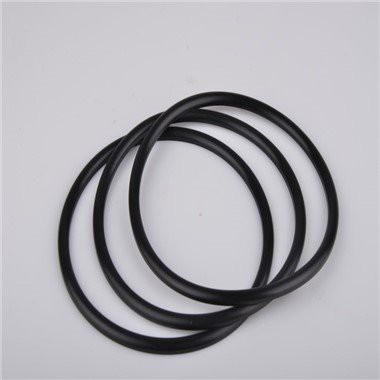

Can PTFE O Rings be used in chemical processing plants?
As a PTFE O rings supplier, I've received numerous inquiries about the suitability of PTFE O rings for use in chemical processing plants. This topic is of utmost importance, as the chemical processing industry demands high - performance sealing solutions to ensure safety, efficiency, and environmental compliance. In this blog, I'll delve into the properties of PTFE O rings and explore their viability in chemical processing environments.
Properties of PTFE
Polytetrafluoroethylene (PTFE), commonly known as Teflon, is a synthetic fluoropolymer with a unique set of properties that make it an ideal material for O rings in many applications.
Chemical Resistance: One of the most remarkable features of PTFE is its exceptional chemical resistance. It can withstand a wide range of aggressive chemicals, including strong acids, bases, solvents, and oxidizing agents. This is due to the strong carbon - fluorine bonds in its molecular structure, which are highly stable and resistant to chemical attack. For example, in a chemical processing plant where sulfuric acid is being handled, PTFE O rings can maintain their integrity and sealing performance, unlike many other elastomeric materials that would quickly degrade.
Temperature Resistance: PTFE has a wide operating temperature range. It can function effectively at temperatures as low as - 200°C and as high as 260°C. This makes it suitable for chemical processes that involve extreme temperature conditions, such as high - temperature reactions or cryogenic storage. In a distillation process where high temperatures are required to separate different chemical components, PTFE O rings can ensure a reliable seal without losing their elasticity or mechanical properties.
Low Friction Coefficient: PTFE has a very low friction coefficient, which means that it can reduce wear and tear on the mating surfaces. This is beneficial in chemical processing equipment where moving parts are involved, such as pumps and valves. The low friction of PTFE O rings allows for smooth operation and can extend the service life of the equipment.
Non - Stick Property: The non - stick property of PTFE is another advantage. In chemical processing, where there is a risk of chemical deposits adhering to the sealing surfaces, PTFE O rings prevent the build - up of residues. This helps to maintain the sealing performance and reduces the need for frequent cleaning and maintenance.
Applications in Chemical Processing Plants
Valve Sealing: Valves are an integral part of chemical processing plants, used to control the flow of chemicals. PTFE O rings are commonly used in valve seals due to their chemical resistance and ability to provide a tight seal. For example, in a ball valve, a PTFE O ring can ensure that there is no leakage of the chemical medium, even under high pressure. This is crucial for preventing chemical spills and ensuring the safety of the plant and its workers.


Pump Sealing: Pumps are used to transfer chemicals from one location to another in a chemical processing plant. PTFE O rings can be used in pump seals to prevent leakage of the pumped fluid. The temperature and chemical resistance of PTFE make it suitable for different types of pumps, such as centrifugal pumps and positive displacement pumps. In a pump handling corrosive chemicals, a PTFE O ring can maintain the seal and prevent the chemical from escaping into the environment.
Reactor Sealing: Reactors are where chemical reactions take place. PTFE O rings can be used to seal the reactor vessels to prevent the leakage of reactants and products. The high - temperature resistance of PTFE is especially important in reactors where exothermic reactions occur, generating a significant amount of heat. A reliable seal provided by PTFE O rings ensures that the reaction proceeds as intended and that there is no contamination of the surrounding environment.
Types of PTFE O Rings
There are different types of PTFE O rings available to meet the diverse needs of chemical processing plants.
O - ring with Teflon Coating: O - ring with Teflon Coating is a type of O ring where a base elastomer is coated with a layer of Teflon. This combines the elasticity of the base elastomer with the chemical resistance and low friction of PTFE. It is suitable for applications where a certain degree of flexibility is required, along with chemical protection.
Teflon Coated O - ring: Teflon Coated O - ring also offers the benefits of PTFE coating on an O ring. The coating provides a barrier against chemicals, while the underlying material gives the O ring its shape and some mechanical properties. This type of O ring can be used in applications where there is a need to reduce friction and prevent chemical attack.
PTFE Coating O Ring Seal: PTFE Coating O Ring Seal is designed to provide a high - performance seal in chemical processing environments. The PTFE coating enhances the chemical resistance and non - stick properties of the O ring, making it suitable for use in harsh chemical conditions.
Challenges and Considerations
While PTFE O rings have many advantages, there are also some challenges and considerations when using them in chemical processing plants.
Compression Set: PTFE has a relatively high compression set, which means that it may not recover its original shape as well as some other elastomers after being compressed. This can lead to a loss of sealing performance over time, especially in applications where there are repeated cycles of compression and relaxation. To mitigate this issue, proper design and installation of the O rings are crucial.
Cost: PTFE is generally more expensive than many other elastomeric materials. This can increase the overall cost of the equipment in a chemical processing plant. However, the long - term benefits, such as reduced maintenance and longer service life, often justify the higher initial investment.
Installation Requirements: PTFE O rings require careful installation to ensure proper sealing. They are more rigid than some elastomers, and improper installation can cause damage to the O ring or result in an ineffective seal. Training and experience are needed to install PTFE O rings correctly.
Conclusion
In conclusion, PTFE O rings can be effectively used in chemical processing plants. Their exceptional chemical resistance, temperature resistance, low friction coefficient, and non - stick property make them suitable for a wide range of applications, including valve sealing, pump sealing, and reactor sealing. While there are some challenges, such as compression set and cost, proper design, installation, and maintenance can overcome these issues.
If you are in the chemical processing industry and are looking for high - quality PTFE O rings for your equipment, I encourage you to contact me for a detailed discussion about your specific requirements. We can work together to find the most suitable PTFE O ring solutions for your plant, ensuring reliable performance and safety.
References
- Brown, R. A. (2007). Handbook of Elastomers. CRC Press.
- Oberg, E., Jones, F. D., Horton, H. L., & Ryffel, H. H. (2000). Machinery's Handbook. Industrial Press.
- Teflon - A Fluoropolymer Guide. DuPont.