Can OEM Seal Rings resist high temperatures?
Hey there! I'm an OEM Seal Ring supplier, and I often get asked this question: Can OEM Seal Rings resist high temperatures? It's a crucial query, especially when you're in industries like automotive, aerospace, or manufacturing, where high - temperature environments are the norm.
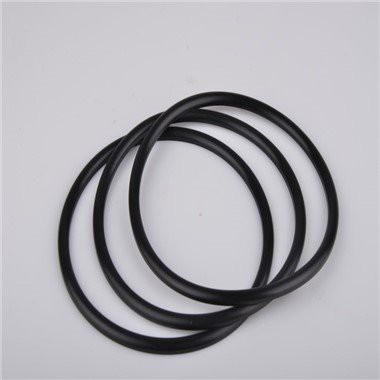
Let's start by understanding what OEM Seal Rings are. An OEM (Original Equipment Manufacturer) Seal Ring is a specialized component designed to fit specific equipment precisely. These rings are custom - made to meet the unique requirements of different machines and systems. You can check out more about them on our OEM Seal Ring page.
Now, when it comes to high - temperature resistance, it all boils down to the materials used in manufacturing these seal rings. There are several types of materials commonly used for OEM Seal Rings, and each has its own temperature tolerance.
One of the most popular materials is rubber. Rubber is known for its flexibility and sealing properties. We have a great selection of Rubber Square Ring options. But not all rubber is created equal when it comes to heat. Natural rubber, for example, starts to lose its properties at relatively low temperatures. It can become brittle or start to melt around 70 - 100°C (158 - 212°F). So, if you're in a high - heat environment, natural rubber might not be your best bet.
On the other hand, synthetic rubbers like silicone rubber and fluorocarbon rubber are much better at handling high temperatures. Silicone rubber can withstand temperatures ranging from - 50°C to 230°C (- 58°F to 446°F). It retains its flexibility and sealing ability even in extreme heat. This makes it a great choice for applications where there are significant temperature fluctuations, like in some automotive engines.
Fluorocarbon rubber, also known as Viton, is another heavy - hitter in the high - temperature game. It can handle temperatures up to 250°C (482°F) and even higher in some cases. Fluorocarbon rubber is highly resistant to chemicals as well, which makes it ideal for industries where both high temperatures and harsh chemicals are present, such as in the chemical processing industry.
Another type of seal ring we offer is the Molded Rubber Ring. These are formed through a molding process, which allows for precise shapes and sizes. The temperature resistance of molded rubber rings depends on the rubber material used. If it's made from a high - temperature - resistant synthetic rubber, it can perform well in hot environments.


But it's not just about the material. The design of the OEM Seal Ring also plays a role in its high - temperature performance. A well - designed seal ring will have proper dimensions and a shape that allows it to maintain its seal even when the material expands or contracts due to temperature changes. For example, a ring with a thicker cross - section might be more durable in high - temperature situations as it has more material to withstand the heat.
When you're considering using OEM Seal Rings in high - temperature applications, you also need to think about the duration of exposure. Short - term exposure to high temperatures might be okay for some materials, but long - term exposure can cause degradation. For instance, if a seal ring is exposed to 200°C (392°F) for just a few minutes, it might hold up fine. But if it's constantly exposed to that temperature for hours or days on end, the material could start to break down.
In addition to the material and design, the installation of the seal ring is crucial. A poorly installed seal ring can lead to leaks, even if it's made from a high - temperature - resistant material. Make sure the surface where the seal ring is being installed is clean, smooth, and free of any debris. Also, ensure that the ring is properly seated and not over - or under - compressed.
So, to answer the question, yes, OEM Seal Rings can resist high temperatures, but it depends on a few factors. The material, design, duration of exposure, and installation all play important roles. If you're in an industry that requires high - temperature - resistant seal rings, it's essential to choose the right type of ring for your specific application.
If you're interested in learning more about our OEM Seal Rings or need help choosing the right one for your high - temperature needs, don't hesitate to reach out. We're here to assist you in finding the perfect solution for your sealing requirements. Whether it's a Rubber Square Ring, an OEM Seal Ring, or a Molded Rubber Ring, we've got you covered.
Let's work together to ensure your equipment runs smoothly, even in the hottest of environments. Contact us today to start the conversation about your seal ring needs.
References
- "Handbook of Elastomers" by Brian M. Walker. This book provides in - depth information about different types of rubber materials and their properties, including temperature resistance.
- "Sealing Technology Handbook" which offers insights into the design and application of seal rings in various industries, including high - temperature environments.