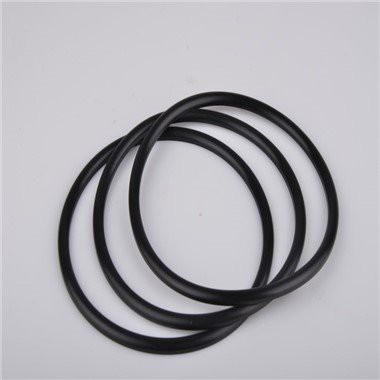

Hey there! As a supplier of PTFE O rings, I often get asked about the environmental friendliness of these little but crucial components. So, let's dive right in and explore whether PTFE O rings are environmentally friendly or not.
What Are PTFE O Rings?
First off, let's quickly go over what PTFE O rings are. PTFE stands for Polytetrafluoroethylene, which is a synthetic fluoropolymer of tetrafluoroethylene. It's well - known for its amazing properties like high chemical resistance, low friction, and excellent temperature stability. O rings, on the other hand, are circular seals used in a wide range of applications, from plumbing to aerospace. When you combine the two, you get PTFE O rings that are super durable and can handle some pretty tough conditions.
Production of PTFE O Rings and the Environment
The production process of PTFE is where a lot of the environmental concerns come in. PTFE is made through a chemical reaction involving tetrafluoroethylene (TFE). The production of TFE can be energy - intensive, and there have been issues with the release of perfluorooctanoic acid (PFOA) and other per - and polyfluoroalkyl substances (PFAS) during the manufacturing process.
PFAS are known as "forever chemicals" because they don't break down easily in the environment. They can accumulate in the soil, water, and even in our bodies. In the past, PFOA was used as a processing aid in PTFE production, and its release into the environment was a major problem. However, in recent years, the industry has made significant progress. Many manufacturers, including us, have switched to PFOA - free production methods. This means that the amount of harmful PFAS released during the production of PTFE O rings has been greatly reduced.
Lifecycle of PTFE O Rings
Let's talk about the lifecycle of PTFE O rings. One of the great things about PTFE O rings is their long lifespan. Because of their high chemical resistance and durability, they don't need to be replaced as often as other types of O rings. This means less waste in the long run. For example, in industrial applications where O rings are exposed to harsh chemicals, a PTFE O ring can last much longer than a rubber O ring, reducing the frequency of replacements and the amount of waste generated.
However, when it comes to disposal, PTFE is not biodegradable. It doesn't break down naturally in the environment like organic materials. But that doesn't mean it's a complete environmental disaster. Some recycling options are available for PTFE. Although the recycling process can be complex and costly, it's a step in the right direction. We're always looking for better ways to encourage the recycling of our PTFE O rings and to work with our customers to ensure that end - of - life PTFE is handled in an environmentally responsible way.


Applications and Environmental Impact
PTFE O rings are used in a wide variety of applications, and each application has its own environmental implications.
In the automotive industry, PTFE O rings are used in fuel systems and engine components. Their high temperature and chemical resistance help improve the efficiency of engines, which can lead to lower fuel consumption and fewer emissions. This is a positive environmental impact.
In the food and beverage industry, PTFE O rings are used because they are non - toxic and resistant to food - grade chemicals. This ensures the safety of the products and reduces the risk of contamination. Since they last a long time, there's less need for frequent replacements, which again means less waste.
On the other hand, in some industrial processes where PTFE O rings are used in high - volume, single - use applications, there could be a higher environmental impact. But this is more about the application rather than the PTFE O ring itself. We often work with our customers to find more sustainable solutions, such as using reusable or recyclable components.
Comparing PTFE O Rings with Other Materials
When comparing PTFE O rings with other materials like rubber, there are some clear differences in terms of environmental impact. Rubber O rings are biodegradable, which is a plus. But they have a shorter lifespan, especially in harsh environments. This means more frequent replacements and more waste.
PTFE O rings, as mentioned earlier, have a longer lifespan but are not biodegradable. However, with the improvements in production methods and the potential for recycling, the environmental gap between the two is narrowing.
Our Commitment as a Supplier
As a supplier of PTFE O rings, we're committed to environmental sustainability. We've made the switch to PFOA - free production methods to reduce the release of harmful PFAS into the environment. We're also constantly researching and developing new ways to make our PTFE O rings more sustainable.
We offer PTFE Coating O Ring Seal, O - ring with Teflon Coating, and PTFE Coated O - ring products that are designed to be as environmentally friendly as possible. We're also working on improving our packaging to reduce waste.
Conclusion
So, are PTFE O rings environmentally friendly? Well, it's not a simple yes or no answer. The production process used to have some serious environmental issues, but the industry has made great strides in reducing the release of harmful chemicals. Their long lifespan means less waste in the long run, but the fact that they're non - biodegradable is a drawback. However, with the availability of recycling options and our commitment to sustainability, PTFE O rings can be part of a more environmentally responsible solution.
If you're in the market for high - quality PTFE O rings and are concerned about the environment, we'd love to talk to you. We can provide you with more information about our products and how we're working towards a more sustainable future. Whether you're in the automotive, food and beverage, or any other industry, we're here to help you find the right PTFE O ring solutions. So, don't hesitate to reach out and start a conversation about your procurement needs.
References
- "The Chemistry and Technology of Polytetrafluoroethylene" by John Scheirs
- "Environmental Impact of Per - and Polyfluoroalkyl Substances (PFAS)" by the Environmental Protection Agency
- Industry reports on PTFE production and recycling