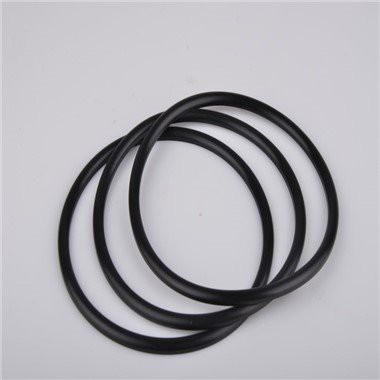

Are molded rubber rings resistant to alkalis? That's a question I get asked a lot as a supplier of Molded Rubber Ring. And it's a really important one, especially if you're in industries like chemical processing, water treatment, or even food and beverage, where alkalis are commonly used.
First off, let's talk about what molded rubber rings are. These are rings made from rubber that's been shaped into the desired form through a molding process. They're used in all sorts of applications, from sealing pipes and containers to being part of machinery. And depending on the type of rubber used, their properties can vary quite a bit.
Now, when it comes to alkali resistance, not all rubbers are created equal. Some types of rubber have better resistance to alkalis than others. For example, nitrile rubber (NBR) is one of the most commonly used rubbers in molded rubber rings. It has decent resistance to mild alkalis. If you're dealing with a solution that has a relatively low pH level (but still alkaline), nitrile rubber can hold up pretty well. It's tough, durable, and can withstand a fair amount of chemical exposure.
But if you're working with stronger alkalis, like sodium hydroxide or potassium hydroxide, nitrile rubber might not be the best choice. These strong alkalis can break down the rubber over time, causing it to swell, crack, or lose its sealing properties. In such cases, you might want to look into other types of rubber.
One option is fluorocarbon rubber (FKM), also known as Viton. This stuff is like a superhero when it comes to chemical resistance. It can handle a wide range of chemicals, including strong alkalis. FKM has a very stable molecular structure, which makes it resistant to the corrosive effects of alkalis. So, if you're in an industry where you're constantly dealing with high - pH solutions, FKM molded rubber rings could be a great investment.
Another type of rubber to consider is EPDM (ethylene propylene diene monomer). EPDM has excellent resistance to many chemicals, including alkalis. It's also resistant to weathering, ozone, and UV light, which makes it a versatile choice for both indoor and outdoor applications. Whether you're using it in a water treatment plant or in an automotive application where it might come into contact with alkaline fluids, EPDM can do the job.
So, how do you know which rubber is right for your specific application? Well, it all comes down to a few factors. First, you need to know the exact chemical composition of the alkali you're dealing with. What's the concentration? What's the temperature of the solution? These things can have a big impact on how well the rubber will perform.
You also need to consider the operating conditions. Is the rubber ring going to be under pressure? How often will it be in contact with the alkali? If it's a high - pressure application or if the ring is constantly submerged in the alkaline solution, you'll need a rubber that can handle those conditions.


At our company, we understand that every customer has unique needs. That's why we offer Customized Rubber Ring options. We can work with you to determine the best type of rubber for your specific application, and then mold it into the exact shape and size you need. Whether you need a small O - ring or a large, custom - shaped seal, we've got you covered.
We also do OEM Seal Ring production. If you have a specific design or specification in mind, we can manufacture the rings according to your requirements. Our team of experts has years of experience in the rubber molding industry, and we use the latest technology and equipment to ensure the highest quality products.
When it comes to alkali resistance, it's not just about choosing the right rubber. The manufacturing process also plays a crucial role. We use high - quality raw materials and strict quality control measures to ensure that our molded rubber rings are of the highest standard. We test each batch of rings to make sure they meet the required chemical resistance and physical properties.
In addition to alkali resistance, our molded rubber rings also have other great properties. They have good elasticity, which means they can form a tight seal even under different pressures. They're also resistant to abrasion, which is important if the ring is going to be in contact with moving parts.
If you're still not sure which type of molded rubber ring is right for your application, don't worry. Our customer service team is always here to help. We can answer your questions, provide technical advice, and even send you samples so you can test them in your own environment.
We believe in building long - term relationships with our customers. That's why we're committed to providing the best products and the best service. Whether you're a small business or a large corporation, we'll work with you to meet your needs and exceed your expectations.
So, if you're in the market for molded rubber rings that can withstand alkalis, or if you have any other rubber - related needs, get in touch with us. We're ready to start a conversation and help you find the perfect solution for your business.
References
- "Handbook of Elastomers" by Jacob K. Gillham
- "Rubber Technology: Compounding, Testing, and Applications" by Henry A. Pavlovich