



1. Product Introduction
A leaking A/C line O-ring is one of the primary causes of refrigerant loss, weak cooling performance, and potential compressor failure in automotive and industrial HVAC systems. O-rings in A/C lines must withstand pressure, thermal cycling, vibration, and chemical exposure. Once the seal integrity is compromised, the entire cooling system becomes unstable. Below is a detailed and professional explanation of the causes, symptoms, materials, and high-performance solutions for A/C O-rings.
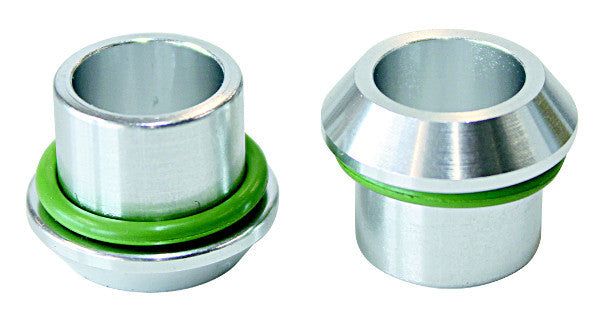
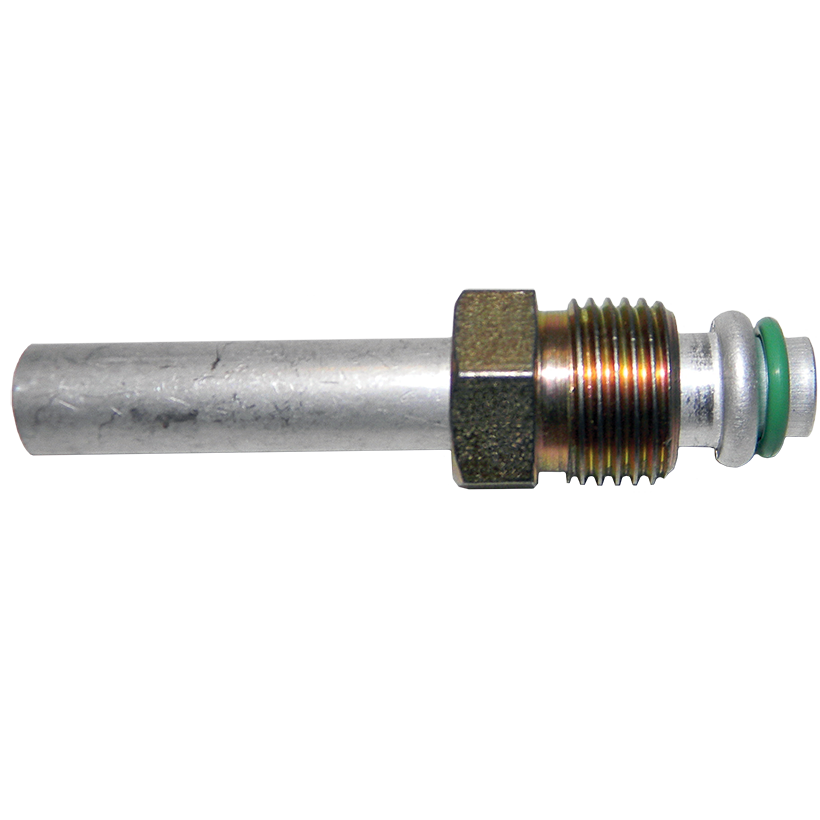
2. Why A/C Line O-Rings Leak
1) Thermal Cycling
A/C systems undergo continuous temperature changes from –30°C to 120°C, causing O-rings to harden, shrink, or crack over time.
2) Chemical Degradation
Incorrect material selection-such as low-grade NBR-can result in swelling or loss of elasticity when exposed to R134a, R1234yf, or refrigerant oils.
3) Improper Installation
Over-tightening, dry assembly without lubrication, or damaged fitting surfaces can cause pinching, twisting, or spiral failure.
4) Compression Set Aging
Poor-quality rubber loses rebound capability, creating flat sealing surfaces that lead to leakage under pressure.
5) Vibration Stress
Continuous vibration from the compressor can wear down improperly sized or low-hardness O-rings.
3. Key Leakage Symptoms
1) Weak or Warm Airflow
Loss of refrigerant causes a direct drop in cooling efficiency.
2) Oil Stains Around Fittings
Refrigerant oil escaping with gas indicates sealing failure.
3) Hissing or Bubbling Noise
Leakage may be detected through audible gas escape.
4) Rapid Compressor Cycling
Low system pressure triggers the compressor repeatedly.
5) UV Dye Detection
Technicians often use dye or leak detectors to locate micro-leaks.
4. Recommended Materials for A/C O-Rings
1) HNBR (Hydrogenated Nitrile)
The industry standard for automotive A/C systems. Compatible with R134a, R1234yf, PAG & POE oil, and offers excellent heat and chemical resistance.
2) FKM (Viton®)
Suitable for high-temperature and heavy-duty HVAC applications with superior chemical stability.
3) EPDM
Used in specific industrial refrigerant systems, but not compatible with PAG oil; not recommended for automotive A/C.
4) Silicone
Only suitable for low-pressure, non-oil systems. Not recommended for automotive refrigerants.
5. Performance Requirements
1) High Pressure Resistance
Must maintain sealing stability up to 450 PSI.
2) Excellent Chemical Compatibility
Resistant to refrigerants, lubricants, and additives used in A/C systems.
3) Low Compression Set
Ensures long-term elasticity and prevents flat-spot leakage.
4) Heat & Cold Resistance
Operational range from –40°C to 150°C.
5) Vibration & Aging Resistance
Designed to withstand continuous vibration and environmental exposure.
6. Our A/C O-Ring Solutions
We provide premium O-rings manufactured specifically for automotive and industrial A/C sealing environments:
- Available in HNBR, FKM, and custom materials
- Compatible with R134a, R1234yf, and industrial refrigerants
- ISO 9001 & IATF 16949 certified production
- High-pressure resistance for compressors and condensers
- Custom colors (green, blue, black)
- OEM/ODM service available with drawings or samples
-

7. Applications
-
Our O-rings are widely used in:
Automotive air-conditioning systems
Commercial HVAC units
Industrial refrigeration and chillers
Refrigerated transportation trucks
Agricultural and construction machinery A/C systems

Hot Tags: leaking a/c line o-ring, China leaking a/c line o-ring suppliers, manufacturers, factory


