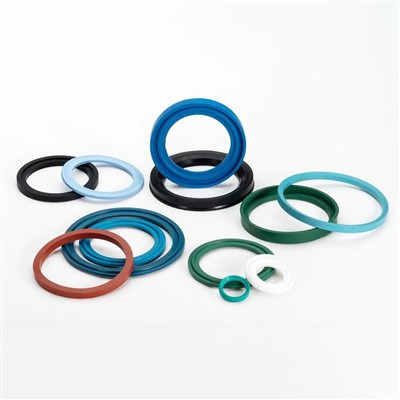
Rubber Seals in Automotive Applications
The automotive industry relies on numerous parts and components to build critical systems that ensure vehicle safety, performance, and durability. Among these, rubber seal rings play a vital role in preventing fluid leaks, insulating against contaminants, and cushioning vibrations. From engines and transmissions to doors, windows, and electrical systems, rubber sealing solutions are everywhere in modern vehicles.
High-quality automotive rubber seals must be durable, flexible, tear-resistant, and able to withstand extreme temperatures, high pressures, and harsh environmental conditions. Using reliable seals ensures each vehicle component operates efficiently and independently while protecting passengers and critical systems.
Types of Automotive Rubber Seals
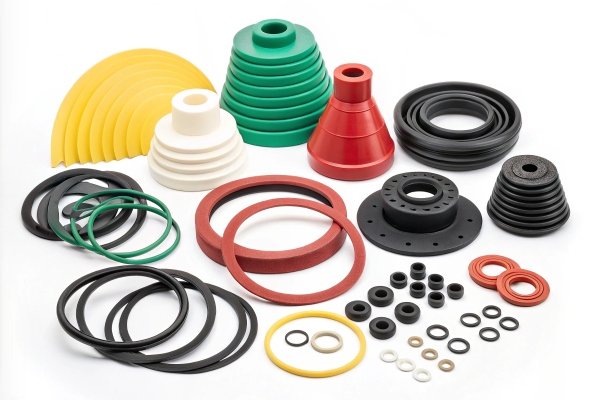
Automotive gasket and seal manufacturers produce various types of rubber seals tailored to different applications:
- Rubber Washers: Flat rings with an open center to allow fluid passage while providing tight, non-abrasive sealing in hoses and pipe fittings. Protect against leaks, vibration, and electrical interference.
- Rubber Gaskets: Cut from sheets of rubber into various shapes and sizes for customized sealing solutions. Used widely to prevent fluid or gas leakage, offering durability, chemical resistance, and temperature tolerance.
- Rubber Bushings: Absorb shocks, reduce vibration, resist wear, and minimize lubrication requirements. Commonly applied in gear sticks, suspension systems, and engine mounts.
- Silicone Rubber Tubing: Versatile and weather-resistant, silicone tubing protects electrical cables and wires, providing insulation against heat, UV radiation, and ozone.
- O-Rings and Custom Seal Rings: Circular or specialized profiles designed for dynamic or static sealing in high-pressure, high-temperature, or chemically aggressive automotive environments.
Applications in Automotive Systems
Rubber seal rings are used throughout vehicles to prevent leakage, reduce vibration, and protect against contamination. Key applications include:
Engine Systems
Oil seals, coolant seals
Transmission & Gearbox
Shaft seals, differential seals
Fuel & Fluid Lines
Fuel pump gaskets, pipeline seals
Electrical Systems
Junction box seals, wiring harness grommets
Material Selection for Automotive Seal Rings
Selecting the right elastomer is essential for performance, longevity, and compliance. Common materials include:
| Material | Key Features | Typical Applications |
|---|---|---|
| NBR (Nitrile Rubber) | Excellent oil and fuel resistance; temperature range -40°C to 120°C | Fuel systems, dynamic shaft seals, oil circuits |
| EPDM | Weather, ozone, and water resistance; temperature range -50°C to 150°C | Coolant systems, HVAC seals, exterior gaskets |
| FKM (Viton) | High chemical and heat resistance; temperature range -20°C to 200°C | High-temperature engine seals, transmissions |
| Silicone | Flexible, UV-resistant, wide temperature range -60°C to 230°C | Electrical insulation, high-temperature seals, grommets |
Advantages of Rubber Seal Rings
- Leak prevention for fluids and gases in engines, transmissions, and fuel systems
- Vibration and noise dampening in moving automotive components
- Resistance to chemical degradation, temperature extremes, and weathering
- Customizable sizes and profiles for diverse automotive applications
- Long-term durability and maintenance reduction
Automotive Standards & Compliance
- ASTM D2000: Classification and quality of elastomers for automotive use
- ISO 9001: Manufacturing quality assurance
- RoHS & REACH: Chemical and environmental compliance
- PPAP Level 3: Production Part Approval Process documentation for OEM approval
Conclusion
Rubber seal rings are essential in automotive systems to maintain reliability, safety, and performance. Choosing the right type, material, and profile ensures optimal sealing, chemical resistance, and vibration dampening across engines, transmissions, fuel systems, electrical systems, and HVAC components.