When a hydraulic system leaks or a pneumatic valve stalls, the humble rubber seal is often the first suspect. However, a failed seal is more than just a broken part-it is a "crime scene" full of evidence. By analyzing the visual damage on a seal, engineers can pinpoint the exact flaw in their system's design.
In the B2B world, unplanned downtime can cost thousands of dollars per hour. Simply replacing a failed seal without understanding why it failed is a temporary fix that guarantees a repeat failure. Through decades of manufacturing experience, we have identified five primary "culprits" behind catastrophic sealing failure.
1. Compression Set: The Loss of "Memory"
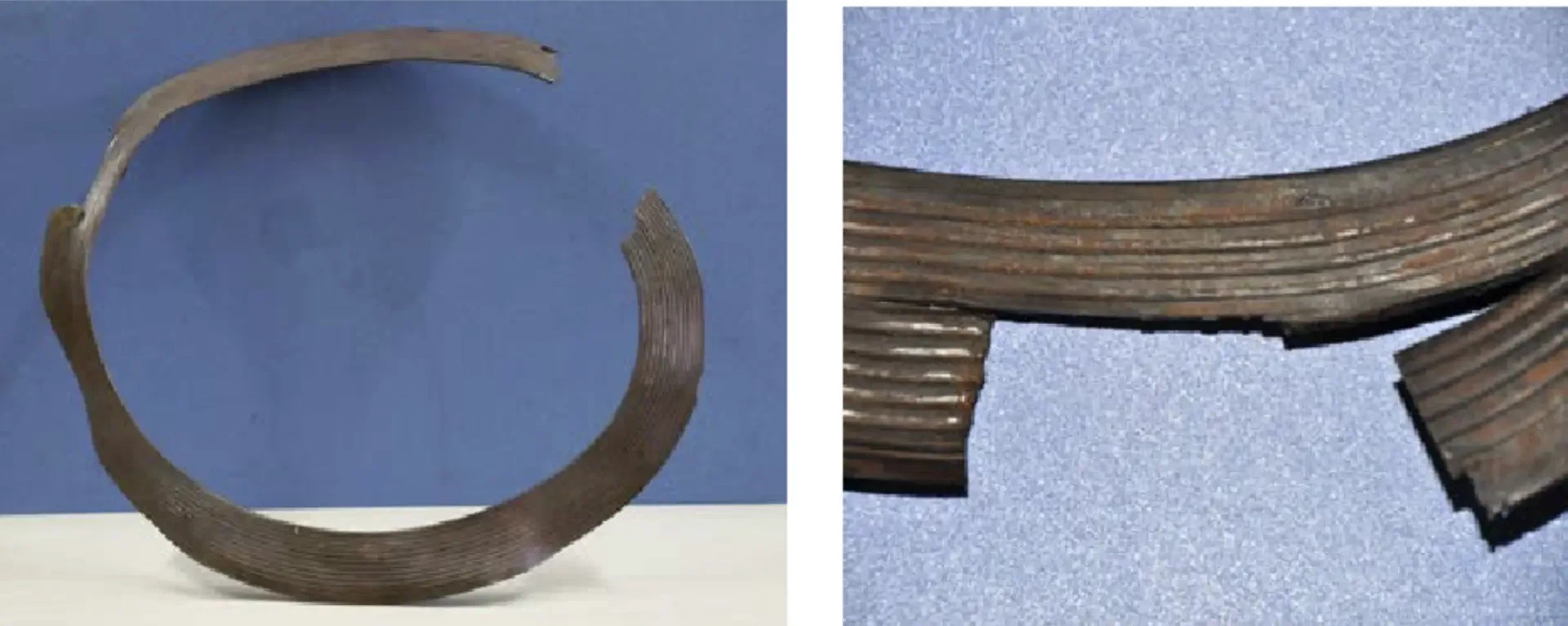
The Clue: The seal cross-section looks flattened on both sides and does not return to its original round shape when removed from the gland.
The Cause: This is the most common reason for leaks. "Compression set" occurs when the elastomer loses its elasticity due to excessive heat, chemical exposure, or improper material selection. Essentially, the rubber "forgets" how to push back against the hardware, creating a gap for fluid to pass through.
2. Extrusion and Nibbling: The High-Pressure Trap
The Clue: The seal appears "chewed" or has a frayed, ragged edge specifically on the low-pressure side of the gland.
The Cause: When system pressure becomes too high for the material's hardness, the rubber is physically forced into the tiny clearance gap between the hardware parts. This "nibbling" effect quickly shreds the seal. To solve this, you need a harder material (higher Shore A durometer) or anti-extrusion backup rings.
3. Spiral Failure: The Dynamic Twist
The Clue: The O-ring shows a distinct 45-degree spiral-shaped cut or groove running around its circumference.
The Cause: This typically happens in long-stroke dynamic applications (like hydraulic cylinders). If the friction is too high on one side of the seal, it will slide vs. roll, eventually twisting the O-ring until it snaps under the torsional stress.
4. Chemical Attack: The Silent Assailant
The Clue: The seal looks significantly larger (swollen), feels spongy, or is cracked/blistered on its entire surface.
The Cause: Incompatibility between the elastomer and the system fluid. The rubber absorbs the fluid like a sponge, causing it to lose its physical strength. For example, using NBR (Nitrile) in high-concentration ozone or harsh brake fluids will cause rapid degradation. Switching to EPDM or FKM is often the solution here.
5. Heat Hardening: The Brittle Break
The Clue: The seal surface is hard, shiny, and covered in deep radial cracks. It snaps like a dry twig when bent.
The Cause: Every rubber material has a maximum operating temperature. Exceeding this limit, even for a short time, causes "additional cross-linking," making the rubber brittle and glass-like. UV exposure can cause similar surface cracking (crazing) in outdoor applications.
🛠️ Prevent Future Failures: Don't just replace-upgrade. Proper material selection and gland design are the keys to longevity.
- Anti-Extrusion Backup Rings: Solve high-pressure nibbling once and for all.
- High-Performance Oil Seals: Engineered for heat and chemical resistance.
Summary: Solving the Mystery
| Failure Mode | Visual Symptom | Quick Fix |
|---|---|---|
| Compression Set | Permanent flattening | Use higher grade material (FKM/FFKM) |
| Extrusion | Ragged/chewed edges | Add Backup Rings or increase hardness |
| Spiral Failure | 45° spiral cut | Improve surface finish or lubrication |
| Chemical Attack | Excessive swelling/softening | Check compatibility charts |
Analyzing a failed seal requires a trained eye and technical expertise. If you're experiencing recurrent sealing issues, Xiamen Best Seal's engineering team can perform a full material audit of your system. Upload your photos today for a professional failure analysis report.
• Xiamen Best Seal • Engineering Expertise in Every Seal •