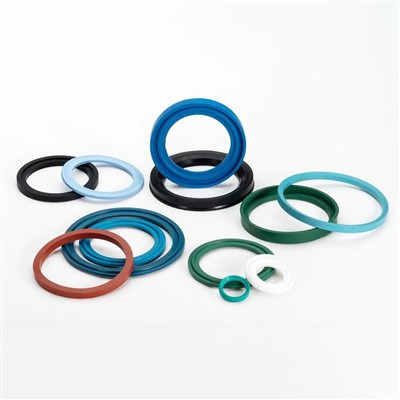
1. O-Ring Compression Calculation (Reciprocating Seal)
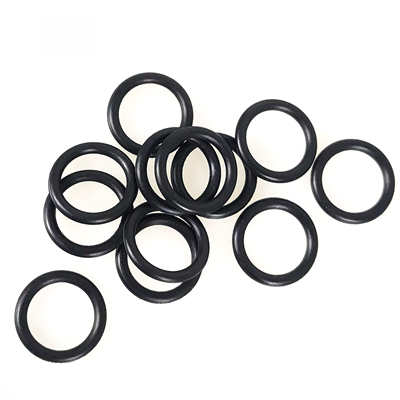
Parameter Definitions
- Free section diameter: d0
- Installed inner diameter: di
- Groove bottom or piston/rod diameter: D1
Compression Amount Formula
S=d0−(D1−di )/ 2
S represents the amount by which the O-ring is compressed after installation.
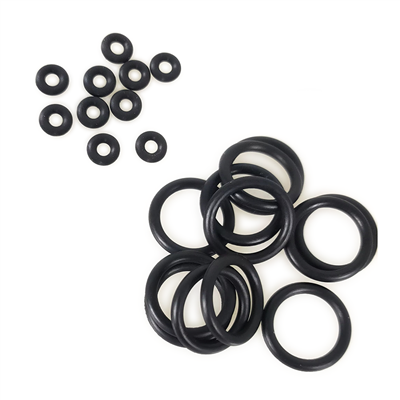
Compression Ratio Formula
K = S/d0 × 100%
K indicates the percentage of compression, typically 8–15% for dynamic seals and 20–30% for static seals.
Friction Force Formula
F=μ⋅Pr
Friction force F depends on the friction coefficient μ and O-ring deformation pressure Pr. Typical μ values:
Lubricated: 0.3–0.5
Dry: 1–1.2

Deformation Pressure Formula
Pr=4.8×10⁻⁷⋅w⋅ε⋅Hs⋅π⋅(d+w)
- Where:
- www = O-ring cross-section diameter (mm)
- ε\varepsilonε = compression ratio (decimal)
- HsH_sHs = material hardness (Shore A)
- ddd = shaft or groove diameter (mm)
- This formula estimates the pressure generated by O-ring deformation.
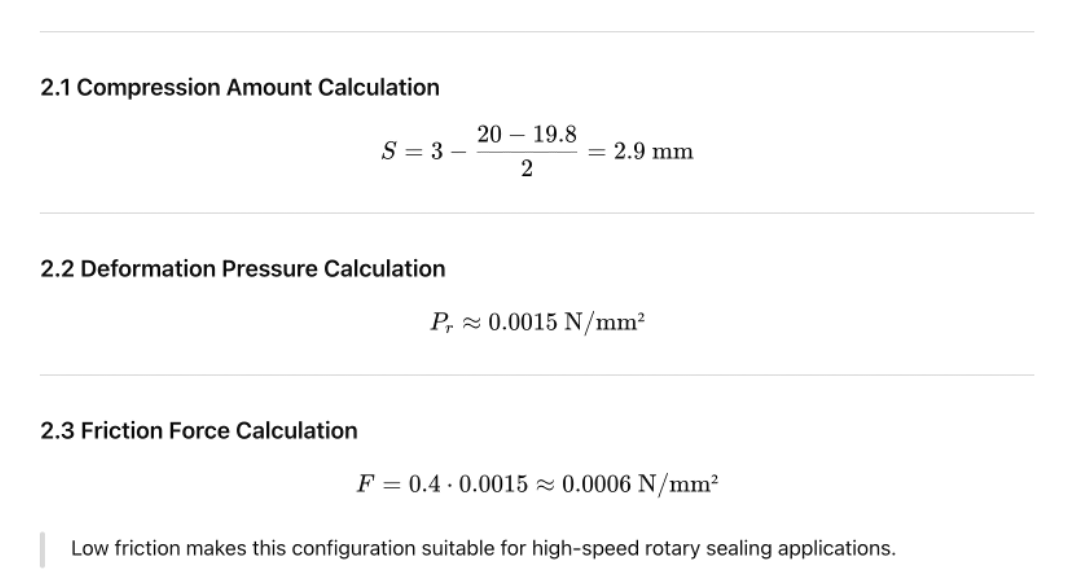
2. Dynamic Rotary Seal Example
Known Parameters:
| Parameter | Value | Description | |
|---|---|---|---|
| Section diameter | 3 mm | Standard rubber O-ring | |
| Inner diameter | 20 mm | Slightly larger than shaft | |
| Shaft diameter | 19.8 mm | Actual shaft size | |
| Compression ratio | 10% | Typical for dynamic seals | |
| Material hardness | 70 Shore A | Common rubber | |
| Friction coefficient | 0.4 (lubricated) | Oil lubrication | |
3.Factors Affecting O-Ring Compression and Friction
Compression Amount:
Higher compression increases friction and wear. Dynamic seals usually require lower compression than static seals.
Material Hardness:
Harder materials generate higher deformation pressure and friction.
Lubrication:
Proper lubrication reduces the friction coefficient, minimizing wear and heat.
Sealing Type and Speed:
Reciprocating seals tolerate moderate friction; rotary seals require minimal friction for high-speed operation.
4. Design Recommendations
Control Compression:
Keep rotary seal compression lower than static seal compression to reduce friction and heat.
Material Selection:
Use wear-resistant and low-friction rubber or fluoroelastomers for longer service life.

Lubrication:
Maintain an oil film or use grease to reduce friction.

Experimental Verification:
Always validate theoretical calculations with prototype testing for friction, heat, and sealing performance.
5. Conclusion
O-ring compression and friction can be calculated using cross-section diameter, shaft diameter, material hardness, and compression ratio formulas. Friction force can then be estimated with the appropriate friction coefficient. In engineering practice, optimizing the design involves balancing friction, heat generation, and service life, and experimental verification is essential to ensure reliable sealing performance.