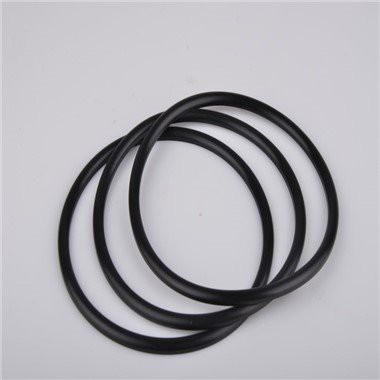

As a seasoned supplier of rubber gaskets, I've witnessed firsthand the crucial role these unassuming components play in a wide range of industries. One of the most important properties of rubber gaskets is their impact resistance, which can significantly affect their performance and longevity. In this blog post, I'll delve into the concept of impact resistance in rubber gaskets, exploring what it means, why it matters, and how it can be optimized.
Understanding Impact Resistance
Impact resistance refers to a material's ability to withstand sudden forces or shocks without suffering significant damage. In the context of rubber gaskets, this property is essential for ensuring that they can maintain their integrity and functionality in demanding environments. When a rubber gasket is subjected to an impact, it must absorb the energy of the force and distribute it evenly across its surface to prevent cracking, tearing, or other forms of damage.


The impact resistance of a rubber gasket is influenced by several factors, including the type of rubber used, its hardness, and its design. Different types of rubber have varying degrees of elasticity and resilience, which can affect their ability to absorb and dissipate energy. For example, natural rubber is known for its high elasticity and excellent impact resistance, making it a popular choice for applications where shock absorption is critical. On the other hand, synthetic rubbers such as neoprene and nitrile rubber offer good chemical resistance and durability, but may have lower impact resistance compared to natural rubber.
The hardness of a rubber gasket also plays a significant role in its impact resistance. Generally, softer rubbers are more flexible and can absorb more energy, making them better suited for applications where high impact resistance is required. However, softer rubbers may also be more prone to deformation and wear, so it's important to find the right balance between hardness and impact resistance for each specific application.
In addition to the type of rubber and its hardness, the design of a rubber gasket can also affect its impact resistance. Gaskets with thicker cross-sections or reinforced edges are generally more resistant to impact than those with thinner or more delicate designs. Similarly, gaskets with a smooth surface finish are less likely to catch on sharp edges or other objects, reducing the risk of damage during installation or use.
Why Impact Resistance Matters
The impact resistance of rubber gaskets is crucial for ensuring their reliable performance in a variety of applications. In industries such as automotive, aerospace, and manufacturing, rubber gaskets are often used to seal joints and prevent the leakage of fluids or gases. These gaskets are subjected to a wide range of forces and vibrations during normal operation, and any damage or failure can have serious consequences.
For example, in an automotive engine, rubber gaskets are used to seal the cylinder head, oil pan, and other critical components. If a gasket fails due to impact damage, it can lead to oil leaks, coolant leaks, or even engine failure. Similarly, in an aerospace application, rubber gaskets are used to seal the doors, windows, and other openings of an aircraft. A failure of these gaskets can compromise the safety and integrity of the aircraft, putting passengers and crew at risk.
In addition to preventing leaks and ensuring the safety of equipment, impact-resistant rubber gaskets can also help to reduce maintenance costs and downtime. By withstanding sudden forces and shocks without damage, these gaskets can last longer and require less frequent replacement. This can result in significant savings in terms of both time and money, especially in industries where equipment downtime can be extremely costly.
Optimizing Impact Resistance
As a rubber gasket supplier, I understand the importance of providing our customers with gaskets that offer excellent impact resistance. To achieve this, we use a variety of techniques and materials to optimize the impact resistance of our gaskets.
One of the key factors in optimizing impact resistance is selecting the right type of rubber for each application. As mentioned earlier, different types of rubber have varying degrees of elasticity and resilience, so it's important to choose a rubber that is well-suited to the specific requirements of the application. For example, if the gasket will be subjected to high levels of shock and vibration, natural rubber or a synthetic rubber with high impact resistance may be the best choice.
In addition to selecting the right type of rubber, we also pay close attention to the hardness of our gaskets. By carefully controlling the hardness of the rubber, we can ensure that the gaskets have the right balance of flexibility and durability to withstand impact. We use advanced testing equipment to measure the hardness of our gaskets and make adjustments as needed to ensure that they meet the specific requirements of each application.
Another important factor in optimizing impact resistance is the design of the gasket. We work closely with our customers to understand their specific needs and requirements, and we use this information to design gaskets that are optimized for impact resistance. This may involve using thicker cross-sections, reinforced edges, or other design features to improve the gasket's ability to absorb and distribute energy.
Finally, we also use advanced manufacturing techniques to ensure the quality and consistency of our gaskets. Our state-of-the-art manufacturing facilities are equipped with the latest technology and equipment, allowing us to produce gaskets with high precision and accuracy. We also have a rigorous quality control process in place to ensure that every gasket we produce meets our strict standards for impact resistance and other performance properties.
Our Product Range
At our company, we offer a wide range of rubber gaskets with excellent impact resistance. Our product range includes Cooler Rubber Gasket, PU Flat Gasket, and Locking Gasket, among others.
Our cooler rubber gaskets are designed to provide reliable sealing in cooling systems, where they are subjected to high levels of vibration and temperature fluctuations. These gaskets are made from high-quality rubber materials with excellent impact resistance and thermal stability, ensuring long-lasting performance in even the most demanding environments.
Our PU flat gaskets are ideal for applications where a flat, flexible gasket is required. These gaskets are made from polyurethane rubber, which offers excellent chemical resistance, abrasion resistance, and impact resistance. They are commonly used in automotive, industrial, and electrical applications to seal joints and prevent the leakage of fluids or gases.
Our locking gaskets are designed to provide a secure and reliable seal in applications where vibration or movement may cause traditional gaskets to loosen or fail. These gaskets feature a unique locking mechanism that ensures a tight fit and prevents the gasket from shifting or leaking. They are commonly used in automotive, aerospace, and other high-performance applications.
Contact Us for Procurement
If you're in need of high-quality rubber gaskets with excellent impact resistance, we'd love to hear from you. Our team of experts is available to help you select the right gaskets for your specific application and to provide you with all the information and support you need to make an informed decision.
Whether you're a small business or a large corporation, we're committed to providing you with the best possible products and services at competitive prices. So why wait? Contact us today to learn more about our rubber gaskets and to start the procurement process.
References
- ASTM D2632 - Standard Test Method for Rubber Property - Resilience (Vertical Rebound)
- ISO 4662 - Rubber, Vulcanized or Thermoplastic - Determination of Low - Temperature Brittleness
- Goodyear Chemical Company. "Properties of Rubber Compounds." Technical Bulletin.
Remember, when it comes to rubber gaskets, impact resistance is not just a nice - to - have feature; it's an essential property that can make all the difference in the performance and reliability of your equipment. Choose our rubber gaskets for superior impact resistance and peace of mind.