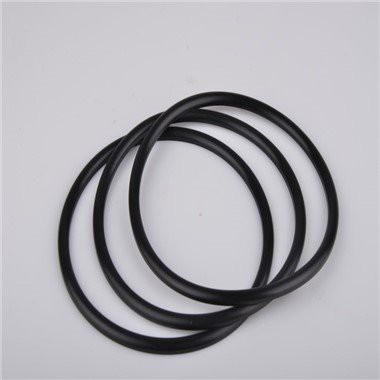

Flame retardancy is a critical property, especially when it comes to industrial components like rubber V - rings. As a supplier of Rubber V - rings, I've witnessed firsthand the importance of understanding this characteristic and its implications in various applications. In this blog, we'll delve into what flame retardancy of rubber V - rings means, why it matters, and how it is achieved.
What is Flame Retardancy?
Flame retardancy refers to the ability of a material to resist ignition, slow down the spread of fire, and reduce the intensity of burning. For rubber V - rings, this property is crucial in environments where there is a risk of fire. When a rubber V - ring has good flame retardancy, it can prevent or delay the spread of fire, which can save lives and protect valuable equipment.
There are several ways to measure the flame retardancy of rubber V - rings. One common method is the UL 94 test. This test classifies materials based on their burning behavior. The classifications range from V - 0 (the highest level of flame retardancy, where the specimen stops burning within 10 seconds after two 10 - second ignitions) to HB (the lowest level, where the material burns at a relatively slow rate). Rubber V - rings that meet higher UL 94 standards are more suitable for applications in high - risk environments.
Why is Flame Retardancy Important for Rubber V - Rings?
- Safety in Hazardous Environments
- In industries such as oil and gas, mining, and chemical processing, there are often flammable substances present. Rubber V - rings are used in various equipment in these industries, such as pumps, valves, and seals. If a fire breaks out, flame - retardant rubber V - rings can act as a barrier, preventing the fire from spreading further through the equipment. For example, in an oil refinery, a flame - retardant V - ring in a pump seal can prevent the leakage of flammable oil and the subsequent spread of fire.
- Compliance with Regulations
- Many industries are subject to strict fire safety regulations. Using flame - retardant rubber V - rings helps companies comply with these regulations. For instance, in the transportation industry, vehicles need to meet certain fire safety standards. Rubber V - rings used in engines, brakes, and other critical components must have appropriate flame retardancy to ensure the overall safety of the vehicle.
- Protection of Equipment
- Fire can cause significant damage to industrial equipment. Flame - retardant rubber V - rings can protect the equipment by preventing the fire from reaching sensitive parts. This can reduce the cost of equipment replacement and downtime. For example, in an electrical panel, a flame - retardant V - ring can prevent a small electrical fire from spreading to other components, saving the entire panel from being destroyed.
How is Flame Retardancy Achieved in Rubber V - Rings?
- Addition of Flame Retardant Agents
- One of the most common methods is to add flame retardant agents to the rubber compound during the manufacturing process. These agents can work in different ways. Some flame retardants release non - flammable gases when heated, which dilute the oxygen around the rubber and suppress the combustion process. Others form a protective char layer on the surface of the rubber, which acts as a barrier between the rubber and the flame.
- For example, halogen - based flame retardants, such as brominated and chlorinated compounds, were widely used in the past. However, due to environmental concerns, non - halogen flame retardants, such as metal hydroxides (e.g., aluminum hydroxide and magnesium hydroxide) and phosphorus - based compounds, are becoming more popular. These non - halogen flame retardants are more environmentally friendly and can still provide good flame retardancy.
- Selection of Rubber Materials
- Different types of rubber have different inherent flame - retardant properties. For example, silicone rubber has relatively good heat resistance and flame retardancy compared to some other types of rubber. Rubber Silicone V - ring is a popular choice in applications where flame retardancy is required. It can withstand high temperatures and has a low flammability rate.
- Neoprene rubber is another option. It has good resistance to oil, chemicals, and fire. Neoprene V - rings are often used in applications where there is a risk of exposure to flammable substances.
Applications of Flame - Retardant Rubber V - Rings
- Automotive Industry
- In the automotive industry, flame - retardant rubber V - rings are used in engines, transmissions, and braking systems. They help to prevent the spread of fire in case of an engine fire or a short - circuit in the electrical system. For example, a Shaft Seal V Ring with flame retardancy can ensure the safety of the vehicle's drivetrain by preventing the leakage of flammable fluids and the subsequent spread of fire.
- Electrical and Electronics Industry
- In electrical panels, transformers, and electronic devices, flame - retardant rubber V - rings are used to seal the enclosures and prevent the entry of dust, moisture, and flammable gases. They also help to prevent the spread of fire in case of an electrical fault. For example, in a computer server room, flame - retardant V - rings can be used in the cable glands to prevent the spread of fire through the cable channels.
- Aerospace Industry
- The aerospace industry has extremely high safety requirements. Flame - retardant rubber V - rings are used in aircraft engines, hydraulic systems, and cabin seals. They must meet strict fire safety standards to ensure the safety of the aircraft and its passengers. For example, in an aircraft engine, flame - retardant V - rings can prevent the leakage of fuel and the subsequent spread of fire, which is crucial for the safety of the flight.
Our Offerings as a Rubber V - ring Supplier
As a supplier of rubber V - rings, we offer a wide range of V Ring Rubber Seals with different levels of flame retardancy. We understand the diverse needs of our customers in various industries and can provide customized solutions.
Our manufacturing process ensures that the flame retardant agents are evenly distributed in the rubber compound, providing consistent flame retardancy across all our products. We also conduct strict quality control tests to ensure that our rubber V - rings meet or exceed the relevant industry standards.
Whether you need a flame - retardant V - ring for a high - risk industrial application or a standard one for general use, we have the expertise and resources to meet your requirements.
Contact Us for Procurement and Negotiation
If you are interested in our flame - retardant rubber V - rings, we invite you to contact us for procurement and negotiation. Our team of experts is ready to assist you in selecting the most suitable product for your specific needs. We can also provide detailed technical information and samples for your evaluation.


References
- "Fire Retardancy of Polymers: New Strategies and Mechanisms" by Charles A. Wilkie and Ellen M. Pearce.
- "Handbook of Elastomers" edited by Henry H. Kausch.
- UL 94 Standard for Tests for Flammability of Plastic Materials for Parts in Devices and Appliances.