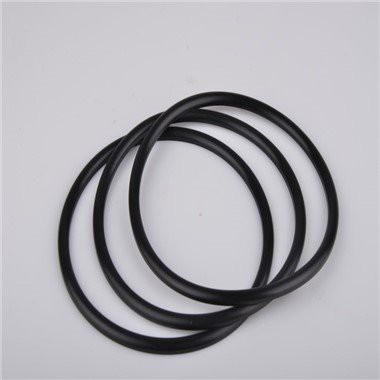

Hey there! As a supplier of PTFE coated O - rings, I've had my fair share of experiences with these little wonders. They're super popular in a bunch of industries because of their great properties, but like anything else, they've got their limitations. So, let's dive right in and take a look at what these limitations are.
1. Cost Considerations
One of the first things that often comes up when dealing with PTFE coated O - rings is the cost. PTFE, or polytetrafluoroethylene, is a high - performance material. The process of coating an O - ring with PTFE isn't exactly cheap either. It involves some specialized equipment and techniques to ensure a proper and even coating.


This high cost can be a real deal - breaker for some customers, especially those on a tight budget. For small - scale operations or projects with limited funds, the price difference between a regular O - ring and a PTFE Coated O Ring Seal can be significant. They might have to look for alternative sealing solutions that can get the job done at a lower cost.
2. Limited Elastomeric Properties
PTFE itself is a very rigid material. When it's used as a coating on an O - ring, it can reduce the natural elastomeric properties of the underlying O - ring material. Elastomers are known for their ability to stretch, compress, and return to their original shape. This property is crucial for O - rings because it allows them to create a tight seal in different applications.
With a PTFE coating, the O - ring might not be as flexible as a non - coated one. This can be a problem in applications where the O - ring needs to adapt to irregular surfaces or where there are significant movements and vibrations. For example, in some dynamic sealing applications, the reduced flexibility of the O - ring with Teflon Coating might lead to a less effective seal over time, increasing the risk of leaks.
3. Coating Adhesion Issues
Getting the PTFE coating to adhere properly to the O - ring surface is a bit of a challenge. The coating needs to stay in place throughout the O - ring's service life. However, there are several factors that can affect the adhesion of the PTFE coating.
One of the main factors is the surface preparation of the O - ring. If the surface isn't properly cleaned and treated before coating, the PTFE might not bond well. Also, exposure to certain chemicals, high temperatures, or mechanical stresses can cause the coating to delaminate or peel off. When this happens, the O - ring loses its PTFE - related benefits, such as chemical resistance and low friction, and it might even cause damage to the surrounding components.
4. Temperature and Pressure Limitations
Although PTFE has good temperature resistance, there are still limitations when it comes to extreme temperatures. At very high temperatures, PTFE can start to degrade. The coating might become brittle and crack, which can compromise the integrity of the seal. On the other hand, at extremely low temperatures, the PTFE - coated O - ring might lose its flexibility, making it less effective in creating a proper seal.
Similarly, pressure can also be an issue. While PTFE - coated O - rings can handle a certain amount of pressure, there's a limit. In high - pressure applications, the coating might not be able to withstand the forces exerted on it. The PTFE layer could get squeezed or deformed, leading to a leak. This means that in some high - pressure and extreme - temperature environments, other sealing options might be more suitable than Teflon Coated O - ring.
5. Chemical Compatibility in Specific Situations
PTFE is generally known for its excellent chemical resistance. However, there are some chemicals that can still have an impact on the PTFE coating or the underlying O - ring material. For example, some strong oxidizing agents or certain organic solvents can react with the PTFE or the elastomer beneath it.
In some chemical - processing industries, where a wide range of chemicals are used, it's crucial to carefully evaluate the chemical compatibility of the PTFE - coated O - ring. If the wrong O - ring is selected, it can lead to premature failure, which can be costly in terms of both repairs and downtime.
6. Difficulty in Installation
The PTFE coating can make the installation of the O - ring a bit more challenging. The rigid nature of the coating means that the O - ring might not be as forgiving during the installation process. It can be more difficult to stretch the O - ring over a shaft or into a groove compared to a non - coated O - ring.
Also, the smooth surface of the PTFE coating can make it slippery, which makes it harder to grip and position the O - ring correctly. If the O - ring isn't installed properly, it can lead to an uneven seal, increasing the risk of leaks. This requires installers to be more careful and skilled when working with PTFE - coated O - rings.
So, What's the Verdict?
Despite these limitations, PTFE - coated O - rings still have a lot of value in many applications. Their chemical resistance, low friction, and other properties make them a great choice for certain situations. It's all about understanding their limitations and using them in the right context.
If you're considering using PTFE - coated O - rings for your project, I'd be more than happy to help you figure out if they're the right fit. We can discuss your specific requirements, evaluate the potential limitations, and find the best solution for you. Whether it's choosing the right O - ring material, ensuring proper coating adhesion, or dealing with installation challenges, we've got the expertise to guide you through the process.
If you're interested in learning more or making a purchase, don't hesitate to reach out. We're here to assist you in finding the perfect sealing solution for your needs.
References
- "Handbook of Sealing Technology" by John H. Bickford
- "Elastomers and Rubber Compounding Materials" by A. Y. Coran