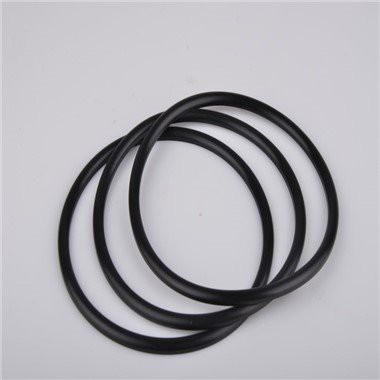

Hey there! As a supplier of rubber O - rings, I often get asked about the common materials used for these little but super important components. So, I thought I'd share some insights on that.
Nitrile Rubber (NBR)
Nitrile rubber, also known as NBR, is one of the most widely used materials for rubber O - rings. It's got some really great properties that make it a top choice in many industries.
First off, nitrile rubber has excellent resistance to oil and fuel. This makes it perfect for applications in the automotive industry, like in engines and fuel systems. You won't have to worry about the O - rings swelling or degrading when they come into contact with these substances.
It also has good mechanical properties. It's tough and can handle a fair amount of pressure and wear. For industrial machinery, Durable Nitrile Rubber O - Rings For Industrial Machinery made from nitrile rubber are a great option. They can withstand the rigors of continuous operation and keep the machinery running smoothly.
Another advantage is its relatively low cost. Compared to some other high - performance rubber materials, nitrile rubber is more budget - friendly. This is a big plus for businesses looking to keep their costs down without sacrificing quality.
However, nitrile rubber does have its limitations. It's not very resistant to high temperatures. If you need O - rings for applications where the temperature goes above 120°C (248°F), you might want to consider other materials.
Silicone Rubber
Silicone rubber is another popular choice for rubber O - rings. It's known for its outstanding heat resistance. Silicone O - rings can handle temperatures ranging from - 60°C (- 76°F) to 230°C (446°F). This makes them ideal for applications in high - temperature environments, such as in ovens, heaters, and some industrial processes.
In addition to heat resistance, silicone rubber is also very flexible. It can easily conform to different shapes and surfaces, providing a tight seal. This flexibility also means that it can absorb vibrations well, which is useful in applications where there's a lot of movement or shaking.


If you're looking for a kit of silicone O - rings, the Silicone O Ring Kit is a great option. It comes with a variety of sizes, so you can have the right O - ring for different needs.
But silicone rubber does have a few drawbacks. It's not as resistant to oils and fuels as nitrile rubber. So, it's not the best choice for applications where it will be in constant contact with these substances. Also, it's a bit more expensive than nitrile rubber, mainly because of its high - performance properties.
Fluorocarbon Rubber (FKM)
Fluorocarbon rubber, also called FKM or Viton (a well - known brand name), is a high - performance rubber material. It's famous for its excellent chemical resistance. It can withstand a wide range of chemicals, including acids, bases, and solvents.
This makes FKM O - rings perfect for use in the chemical industry. They can be used in chemical processing equipment, pipelines, and storage tanks to prevent leaks and ensure the safety of the operations.
FKM rubber also has good heat resistance. It can handle temperatures up to 250°C (482°F), which is even higher than silicone rubber in some cases. This makes it suitable for high - temperature and high - chemical - exposure applications.
However, the downside of fluorocarbon rubber is its high cost. It's significantly more expensive than nitrile and silicone rubber. So, it's usually only used in applications where its high - performance properties are absolutely necessary.
EPDM Rubber
EPDM rubber is a great choice for applications where resistance to weather, ozone, and UV light is important. It's commonly used in outdoor applications, such as in window seals, door seals, and some automotive exterior parts.
EPDM O - rings have excellent water resistance. They can prevent water from leaking into buildings or vehicles, keeping the interior dry. They also have good electrical insulation properties, which is useful in electrical applications.
One of the advantages of EPDM rubber is its long - term durability. It can last for a long time without deteriorating, even when exposed to harsh environmental conditions.
But EPDM rubber is not very resistant to oils and fuels. So, it's not suitable for applications where it will come into contact with these substances.
Neoprene Rubber
Neoprene rubber is a versatile material that offers a good balance of properties. It has moderate resistance to oil, fuel, and chemicals. It's also resistant to weather and ozone, making it suitable for both indoor and outdoor applications.
Neoprene O - rings are often used in the marine industry. They can withstand the harsh saltwater environment and prevent water from entering boats and other marine equipment.
It has good mechanical strength and can handle a certain amount of pressure. However, like nitrile rubber, neoprene rubber's heat resistance is limited. It's best used in applications where the temperature doesn't go too high.
Choosing the Right Material
When choosing the material for your rubber O - rings, you need to consider several factors. First, think about the operating environment. What kind of chemicals, temperatures, and pressures will the O - rings be exposed to? If it's a high - temperature application, silicone or fluorocarbon rubber might be the best choice. For oil - rich environments, nitrile rubber is usually a good option.
Second, consider the cost. You want to find a material that meets your performance requirements while also fitting your budget. If cost is a major concern, nitrile rubber or EPDM rubber could be suitable.
Third, think about the size and shape of the O - rings. Some materials are more flexible and can be easily formed into different shapes, while others are more rigid. Make sure the material you choose can be fabricated into the O - ring size and shape you need.
As a supplier of rubber O - rings, I can help you choose the right material for your specific needs. Whether you need OEM Rubber O Rings Kits or individual O - rings, I've got you covered. If you're interested in purchasing rubber O - rings, feel free to reach out for a consultation. We can discuss your requirements in detail and find the best solution for you.
References
- "Handbook of Elastomers" by Bhupendra K. Gupta
- "Rubber Technology" by Maurice Morton
So, that's a wrap on the common materials for rubber O - rings. I hope this blog has been helpful to you. If you have any questions or need more information, don't hesitate to contact me. Looking forward to working with you!