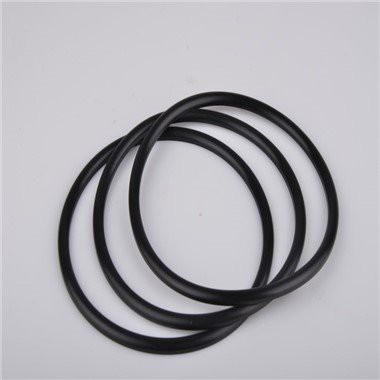

Installing a rubber gasket correctly is crucial for ensuring optimal performance and longevity of various applications. As a trusted Rubber Gaskets supplier, we understand the importance of proper installation techniques. In this blog post, we'll guide you through the process of installing a rubber gasket correctly, covering everything from preparation to the final steps.
Understanding the Basics of Rubber Gaskets
Before delving into the installation process, it's essential to have a basic understanding of rubber gaskets. Rubber gaskets are used to create a seal between two surfaces, preventing the leakage of fluids or gases. They come in various shapes, sizes, and materials, each designed for specific applications. For instance, PU Foam Gasket With Backing is known for its excellent cushioning and sealing properties, making it suitable for applications where vibration and noise reduction are required. On the other hand, Rubber Band Gasket is often used in applications where flexibility and easy installation are key.
Preparation for Installation
The first step in installing a rubber gasket correctly is proper preparation. This involves several important tasks:
1. Surface Preparation
The surfaces where the gasket will be installed must be clean, dry, and free of any debris, rust, or old gasket material. Use a suitable cleaning agent to remove dirt and grease, and then dry the surfaces thoroughly. Any imperfections on the surfaces can prevent the gasket from forming a proper seal, so it's important to ensure they are smooth and flat.
2. Gasket Selection
Choose the right gasket for your application. Consider factors such as the type of fluid or gas that will be sealed, the temperature and pressure conditions, and the size and shape of the mating surfaces. Refer to the manufacturer's specifications to ensure you select the appropriate gasket material and dimensions.
3. Inspect the Gasket
Before installation, carefully inspect the gasket for any signs of damage, such as cuts, tears, or deformities. A damaged gasket will not provide an effective seal and should be replaced.
Installation Process
Once you have completed the preparation steps, you can proceed with the installation of the rubber gasket. The following steps will guide you through the process:
1. Position the Gasket
Place the gasket on one of the mating surfaces, ensuring it is centered and aligned correctly. Some gaskets may have alignment holes or markings to help with positioning. Make sure the gasket fits snugly against the surface and there are no gaps or wrinkles.
2. Apply Sealant (if required)
In some cases, a sealant may be required to enhance the sealing performance of the gasket. Apply a thin, even layer of sealant to the gasket or the mating surfaces, following the manufacturer's instructions. Be careful not to apply too much sealant, as this can cause the gasket to shift during installation and may also lead to leakage.
3. Assemble the Components
Carefully place the second mating surface on top of the gasket, aligning it with the first surface. Make sure the components are properly aligned and that the gasket remains in place.
4. Tighten the Fasteners
If the components are held together by fasteners, such as bolts or screws, tighten them gradually and evenly in a criss-cross pattern. This helps to ensure that the gasket is compressed uniformly and that a proper seal is formed. Do not overtighten the fasteners, as this can damage the gasket and the components.
5. Check for Proper Sealing
After tightening the fasteners, check for any signs of leakage. If there is any leakage, loosen the fasteners slightly and reposition the gasket if necessary. Then retighten the fasteners and check again for leakage.
Special Considerations for Different Types of Gaskets
Different types of rubber gaskets may require special installation considerations. Here are some examples:
1. Rubber Seal Gasket Elastic
Elastic rubber gaskets are designed to stretch and conform to the shape of the mating surfaces. When installing an elastic gasket, make sure it is not overstretched, as this can reduce its sealing performance and durability. Use a lubricant to help the gasket slide into place and to prevent it from tearing.
2. Compressed Fiber Gaskets
Compressed fiber gaskets are often used in high-pressure applications. These gaskets require a higher clamping force to form a proper seal. When installing a compressed fiber gasket, make sure to follow the manufacturer's recommended torque values for the fasteners.
3. O-Rings
O-rings are a type of rubber gasket commonly used in hydraulic and pneumatic systems. When installing an O-ring, make sure it is properly seated in the groove and that there is no twisting or pinching. Use a suitable lubricant to ease the installation process and to prevent damage to the O-ring.
Post-Installation Checks
After installing the rubber gasket, it's important to perform some post-installation checks to ensure everything is working properly.
1. Leakage Test
Conduct a leakage test to verify that the gasket is providing an effective seal. This can be done by applying pressure to the system and checking for any signs of leakage around the gasket.
2. Visual Inspection
Inspect the gasket and the surrounding area for any signs of damage or deformation. Look for any signs of excessive compression or stretching, as this can indicate a problem with the installation.
3. Monitor Performance
Monitor the performance of the gasket over time. If you notice any changes in the sealing performance, such as increased leakage or reduced pressure, it may be necessary to replace the gasket.
Conclusion
Installing a rubber gasket correctly is a critical step in ensuring the proper functioning of various applications. By following the steps outlined in this blog post and taking into account the special considerations for different types of gaskets, you can ensure a successful installation and a long-lasting seal.


If you have any questions about rubber gaskets or need assistance with gasket selection and installation, please don't hesitate to contact us. We are a leading Rubber Gaskets supplier, and our team of experts is always ready to help you find the right solutions for your needs. Whether you're looking for PU Foam Gasket With Backing, Rubber Band Gasket, or Rubber Seal Gasket Elastic, we have a wide range of high-quality products to meet your requirements. Contact us today to discuss your procurement needs and start a fruitful business partnership.
References
- Rubber Gasket Handbook, Manufacturer's Guide
- Sealing Technology Manual, Industry Standard Publication