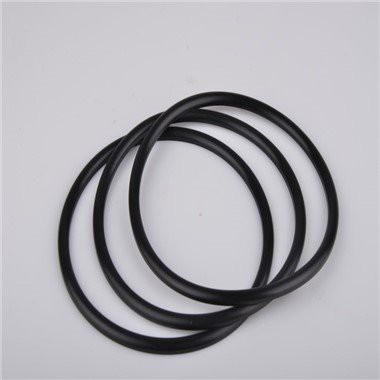

PTFE coated O - rings are widely used in various industries due to their excellent chemical resistance, low friction coefficient, and high - temperature stability. However, in some applications, improving the lubricity of these O - rings can further enhance their performance, reduce wear and tear, and extend their service life. As a PTFE Coated O - ring supplier, I will share some effective methods to improve the lubricity of PTFE coated O - rings in this blog.
Understanding the Basics of PTFE Coated O - Rings
Before delving into the ways to improve lubricity, it's important to understand what PTFE coated O - rings are. PTFE, or polytetrafluoroethylene, is a synthetic fluoropolymer known for its non - stick properties and low friction coefficient. When applied as a coating to O - rings, it provides a protective layer that resists chemicals, reduces friction, and improves the sealing performance. You can learn more about Teflon Coated O - ring and O - ring with Teflon Coating on our website.
Surface Treatment of PTFE Coating
One of the primary ways to improve the lubricity of PTFE coated O - rings is through surface treatment. The surface finish of the PTFE coating plays a crucial role in determining its lubricating properties. A smoother surface generally results in lower friction.
Micro - polishing
Micro - polishing the PTFE coating can significantly reduce surface roughness. By using fine abrasive particles, we can remove any microscopic irregularities on the coating surface. This process not only improves the lubricity but also enhances the overall sealing performance. The smoother surface allows the O - ring to glide more easily within the sealing groove, reducing the risk of sticking and abrasion.
Laser Texturing
Laser texturing is another advanced surface treatment technique. By using a laser to create micro - patterns on the PTFE coating surface, we can improve the lubricant retention. These micro - patterns act as tiny reservoirs for lubricants, ensuring a continuous supply of lubrication during operation. This can be particularly effective in high - load or high - speed applications where maintaining lubricity is critical.
Selection of Lubricants
Choosing the right lubricant is essential for improving the lubricity of PTFE coated O - rings. Different lubricants have different properties, and the selection should be based on the specific application requirements.
Silicone - based Lubricants
Silicone - based lubricants are a popular choice for PTFE coated O - rings. They offer excellent chemical stability, wide temperature range compatibility, and good lubricating properties. Silicone lubricants can form a thin, durable film on the PTFE surface, reducing friction and wear. They are also resistant to water and many chemicals, making them suitable for a variety of industrial applications.
Fluorinated Lubricants
Fluorinated lubricants are specifically designed to work with PTFE materials. They have a high affinity for PTFE, which means they can adhere well to the coating surface. Fluorinated lubricants offer superior lubricity, especially in high - temperature and high - pressure environments. They also provide excellent chemical resistance, protecting the O - ring from aggressive chemicals.
Optimization of Coating Thickness
The thickness of the PTFE coating can also affect the lubricity of the O - ring. A too - thin coating may not provide sufficient protection or lubrication, while a too - thick coating can lead to increased stiffness and reduced flexibility.
Uniform Coating Thickness
Ensuring a uniform coating thickness is crucial. Variations in coating thickness can cause uneven wear and friction. By using advanced coating techniques, such as dip - coating or spray - coating, we can achieve a more consistent coating thickness across the entire O - ring surface. This helps to maintain a stable lubricating performance.
Appropriate Coating Thickness
The appropriate coating thickness depends on the specific application. In general, for applications with low - load and low - speed requirements, a thinner coating may be sufficient. However, for high - load or high - speed applications, a slightly thicker coating may be necessary to provide better protection and lubrication.


Environmental Considerations
The operating environment can have a significant impact on the lubricity of PTFE coated O - rings. Factors such as temperature, humidity, and the presence of chemicals can all affect the performance of the O - ring and the lubricant.
Temperature Control
PTFE coated O - rings have a wide temperature range, but extreme temperatures can still affect their lubricity. At high temperatures, the lubricant may evaporate or degrade, reducing its effectiveness. At low temperatures, the O - ring may become more rigid, increasing friction. Therefore, it's important to control the operating temperature within the recommended range for the O - ring and the lubricant.
Chemical Compatibility
The presence of chemicals in the operating environment can also affect the lubricity of PTFE coated O - rings. Some chemicals may react with the PTFE coating or the lubricant, causing damage or reducing lubricating performance. Therefore, it's crucial to ensure that the O - ring and the lubricant are compatible with the chemicals present in the application.
Quality Control during Manufacturing
To ensure the best lubricity of PTFE coated O - rings, strict quality control measures should be implemented during the manufacturing process.
Coating Adhesion Testing
The adhesion of the PTFE coating to the O - ring substrate is critical. Poor adhesion can lead to coating delamination, which can significantly affect the lubricity and sealing performance. Therefore, adhesion testing should be carried out regularly to ensure that the coating adheres well to the O - ring.
Lubricant Application Quality
The quality of lubricant application also affects the lubricity. The lubricant should be applied evenly and in the right amount. Too little lubricant may not provide sufficient lubrication, while too much lubricant can cause leaks or attract dirt and debris.
Conclusion
Improving the lubricity of PTFE coated O - rings requires a comprehensive approach that includes surface treatment, selection of lubricants, optimization of coating thickness, consideration of environmental factors, and strict quality control during manufacturing. As a PTFE Coated O - ring supplier, we are committed to providing high - quality O - rings with excellent lubricity to meet the diverse needs of our customers.
If you are interested in our PTFE coated O - rings or have any questions about improving their lubricity, please feel free to contact us for procurement and negotiation. We look forward to working with you to find the best sealing solutions for your applications.
References
- "Handbook of Seal Technology" by John H. Bickford
- "Polytetrafluoroethylene (PTFE): Properties, Processing, and Applications" by David A. Tomalia
- "Lubrication Fundamentals" by Bo O. Jacobson