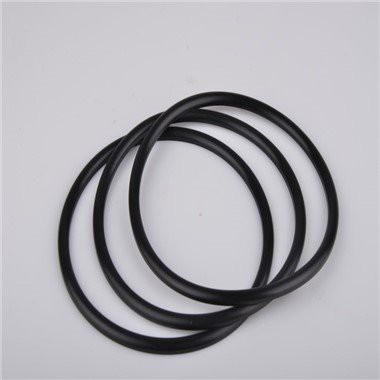

Ensuring the tight fit of a rubber seal ring is crucial in various industries, from automotive to manufacturing. As a reputable rubber seal ring supplier, I've witnessed firsthand the significance of a well - fitting seal in preventing leaks, maintaining pressure, and ensuring the overall efficiency of machinery. In this blog, I'll share some valuable insights on how to guarantee a tight fit for rubber seal rings.


Understanding the Basics of Rubber Seal Rings
Before delving into the methods of ensuring a tight fit, it's essential to understand the nature of rubber seal rings. Rubber seal rings are made from different types of rubber compounds, each with unique properties such as hardness, elasticity, and chemical resistance. These properties play a vital role in determining the seal's performance and how well it will fit in a given application.
For instance, Nitrile rubber (NBR) is known for its excellent resistance to oil and fuel, making it a popular choice for automotive applications. On the other hand, Silicone rubber offers good thermal stability and is often used in high - temperature environments. The choice of rubber material depends on the specific requirements of the application, including the type of fluid or gas to be sealed, the operating temperature, and the pressure conditions.
Measuring and Design Considerations
Accurate measurement is the first step in ensuring a tight fit for a rubber seal ring. When designing a system that uses rubber seals, precise measurements of the sealing groove are essential. The groove dimensions, including the width, depth, and diameter, must be carefully calculated to match the size and shape of the seal ring.
The cross - sectional diameter of the seal ring is a critical parameter. It should be selected such that it provides the necessary interference fit when installed in the groove. An interference fit means that the seal ring is slightly larger than the groove, causing it to be compressed when installed. This compression creates a tight seal that prevents leakage.
For example, if the groove width is too wide, the seal ring may not be compressed enough, leading to a loose fit and potential leakage. Conversely, if the groove is too narrow, the seal ring may be over - compressed, which can cause it to deform or fail prematurely.
Surface Preparation
The surface finish of the sealing surfaces also has a significant impact on the tight fit of a rubber seal ring. Rough or uneven surfaces can prevent the seal from making proper contact, resulting in leaks. Therefore, it's important to ensure that the surfaces where the seal will be installed are smooth and free of any defects, such as scratches, burrs, or rust.
A surface finish with a suitable roughness value should be maintained. For most rubber seal applications, a surface roughness of Ra 0.8 - 3.2 µm is recommended. This range provides a good balance between surface smoothness and the ability of the seal to grip the surface.
In addition to surface smoothness, the cleanliness of the sealing surfaces is also crucial. Any dirt, debris, or contaminants on the surfaces can interfere with the seal's performance. Before installing the seal ring, the surfaces should be thoroughly cleaned using an appropriate cleaning agent. For oil - resistant seals, a non - oil - based cleaner should be used to avoid any chemical reactions that could degrade the rubber.
Installation Techniques
Proper installation of the rubber seal ring is essential to achieve a tight fit. One of the most common mistakes during installation is using excessive force, which can cause the seal to deform or tear. Instead, gentle and even pressure should be applied when inserting the seal into the groove.
Special installation tools can be used to ensure a smooth and proper installation. For example, a seal installation sleeve can be used to guide the seal into the groove without causing damage. The sleeve helps to evenly distribute the pressure and prevents the seal from getting pinched or folded during installation.
It's also important to ensure that the seal ring is installed in the correct orientation. Some seals have a specific design or lip direction that must be followed for optimal performance. Installing the seal backwards can lead to a poor fit and leakage.
Lubrication
Lubrication can play a significant role in ensuring a tight fit for rubber seal rings. A small amount of lubricant can be applied to the seal ring and the sealing surfaces before installation. The lubricant reduces friction during installation, making it easier to insert the seal into the groove without causing damage.
However, it's important to choose the right lubricant. The lubricant should be compatible with the rubber material of the seal ring. For example, silicone - based lubricants are often used with silicone rubber seals, while petroleum - based lubricants are suitable for nitrile rubber seals. Using an incompatible lubricant can cause the rubber to swell, harden, or degrade, which can affect the seal's performance and fit.
Quality Control
As a rubber seal ring supplier, quality control is a top priority. We implement strict quality control measures throughout the manufacturing process to ensure that each seal ring meets the highest standards. This includes testing the raw materials for their physical and chemical properties, as well as inspecting the finished products for any defects.
Before shipping, each seal ring is carefully inspected for its dimensions, surface finish, and hardness. We use advanced measuring equipment, such as calipers, micrometers, and hardness testers, to ensure that the seals meet the specified requirements. Any seals that do not meet the quality standards are rejected.
Maintenance and Inspection
Even after proper installation, regular maintenance and inspection of the rubber seal rings are necessary to ensure a continued tight fit. Over time, the rubber can degrade due to factors such as heat, chemicals, and mechanical stress. Therefore, it's important to periodically check the seals for any signs of wear, damage, or leakage.
If a seal shows signs of wear or damage, it should be replaced immediately. Delaying the replacement can lead to more serious problems, such as system failures or safety hazards.
Conclusion
Ensuring the tight fit of a rubber seal ring requires a combination of accurate measurement, proper surface preparation, correct installation techniques, and regular maintenance. By following these guidelines, you can significantly improve the performance and reliability of your sealing systems.
If you're in need of high - quality rubber seal rings, we're here to help. As a leading [Your Company's Position] in the industry, we offer a wide range of rubber seal rings made from different materials to meet your specific needs. Whether you need seals for automotive, industrial, or any other application, we have the expertise and products to provide you with the best solutions.
For more information on homemade rubber seal rings, you can visit Rubber Ring Seal Homemade. If you're interested in machine seals made of rubber, check out Machine Seals Rubber. And for leak - proof rubber seals, visit Leakproof Rubber Seal.
Contact us today to discuss your rubber seal ring requirements and start a procurement negotiation. We look forward to working with you to ensure the success of your projects.
References
- Oberg, E., Jones, F. D., Horton, H. L., & Ryffel, H. H. (2016). Machinery's Handbook: A Reference Book for the Mechanical Engineer, Designer, Manufacturing Engineer, Draftsman, Toolmaker, and Machinist. Industrial Press Inc.
- Hutchinson Sealing Systems. (2020). Sealing Technology Handbook. Hutchinson Sealing Systems.
- Rubber Manufacturers Association. (2019). Rubber Products Manual. Rubber Manufacturers Association.