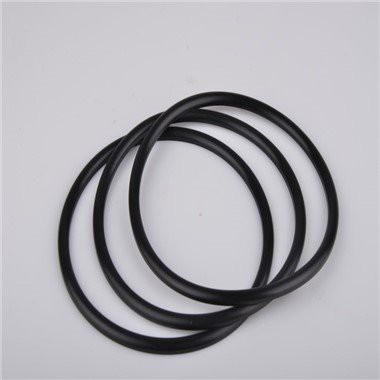

Hey there! As a supplier of Rubber V - rings, I've seen firsthand the importance of ensuring a top - notch sealing effect. In this blog, I'm gonna share some tips and tricks on how to make sure your Rubber V - ring does its job perfectly.
First off, let's understand what a Rubber V - ring is. These little guys are shaped like a V, and they're used in a whole bunch of applications to prevent leakage of fluids or gases. You can find them in machinery, automotive parts, and even some household appliances. They're super versatile, and that's why they're so popular.
Material Selection
The choice of material for your Rubber V - ring is crucial. Different materials have different properties, and you need to pick the one that suits your specific application. For example, if you're dealing with high - temperature environments, you might want to go for a Rubber Silicone V - ring. Silicone rubber can withstand high temperatures without losing its elasticity, which means it'll keep sealing effectively even when things get hot.
On the other hand, if you're working in an environment where there's a lot of oil or chemicals, you'll need a material that's resistant to those substances. Nitrile rubber is a great option in this case. It has excellent oil resistance and can handle a wide range of chemicals, making it ideal for applications in the automotive and industrial sectors.
Proper Installation
Even the best - quality Rubber V - ring won't work well if it's not installed correctly. Here are some key steps to follow during installation:
- Clean the Surface: Before installing the V - ring, make sure the surface it'll be sealing against is clean and free of any dirt, debris, or old sealant. A dirty surface can prevent the V - ring from making a proper seal, leading to leaks.
- Check for Damage: Inspect the V - ring for any signs of damage, such as cuts, tears, or cracks. If you find any damage, don't use the V - ring. A damaged V - ring won't be able to seal properly and will need to be replaced.
- Use the Right Tools: Make sure you use the appropriate tools for installation. For example, if you're installing a Shaft Seal V Ring, you might need a special tool to ensure it's installed evenly and without causing any damage to the ring.
- Install with Care: When installing the V - ring, be gentle and make sure it's seated correctly. Don't force it into place, as this can cause it to deform and lose its sealing ability.
Maintenance and Inspection
Once the Rubber V - ring is installed, it's important to perform regular maintenance and inspections to ensure it continues to seal effectively. Here's what you can do:
- Visual Inspection: Periodically check the V - ring for any signs of wear, damage, or deterioration. Look for things like cracks, tears, or signs of hardening. If you notice any problems, replace the V - ring as soon as possible.
- Lubrication: In some cases, lubricating the V - ring can help improve its sealing performance and extend its lifespan. However, make sure you use the right type of lubricant. Some lubricants can react with the rubber material and cause damage, so always check the manufacturer's recommendations.
- Monitor Operating Conditions: Keep an eye on the operating conditions of the equipment where the V - ring is installed. If there are any changes in temperature, pressure, or the type of fluid or gas being sealed, it could affect the performance of the V - ring. Make any necessary adjustments or replacements if needed.
Compatibility with Other Components
The Rubber V - ring doesn't work in isolation. It needs to be compatible with the other components in the system. For example, if it's being used to seal a shaft, the shaft's surface finish and hardness can affect the sealing performance. A rough or damaged shaft surface can cause excessive wear on the V - ring, leading to leaks.
Also, consider the mating parts that the V - ring will come into contact with. Make sure they're made of materials that won't react with the rubber and cause damage. For instance, some metals can corrode in the presence of certain rubber compounds, so it's important to choose compatible materials.
Storage
Proper storage of Rubber V - rings is also important to maintain their quality and sealing performance. Here are some storage tips:
- Keep in a Cool, Dry Place: Rubber can degrade over time if it's exposed to high temperatures, humidity, or sunlight. Store the V - rings in a cool, dry place away from direct sunlight and heat sources.
- Avoid Contact with Chemicals: Keep the V - rings away from chemicals, solvents, and oils that can damage the rubber. If possible, store them in a sealed container to prevent exposure.
- Don't Stack Them Too Tightly: Stacking the V - rings too tightly can cause them to deform. Make sure there's enough space between each ring to prevent any damage.
Customization
Sometimes, off - the - shelf Rubber V - rings might not meet your specific requirements. That's where customization comes in. As a supplier, we can offer customized Rubber V - rings to fit your exact needs. Whether it's a special size, shape, or material, we can work with you to create a V - ring that'll provide the perfect sealing solution.
If you're in the market for high - quality V Ring Rubber Seals, look no further. We've got a wide range of options to choose from, and our team of experts can help you select the right V - ring for your application. And if you need a custom solution, we're more than happy to assist.


So, if you're interested in purchasing Rubber V - rings or have any questions about ensuring their sealing effect, don't hesitate to reach out. We're here to help you get the best sealing performance for your equipment.
References
- ASTM International. (2023). ASTM D1418 - 22: Standard Practice for Rubber and Rubber Latices - Nomenclature.
- Rubber Manufacturers Association. (2022). Handbook of Rubber Technology.