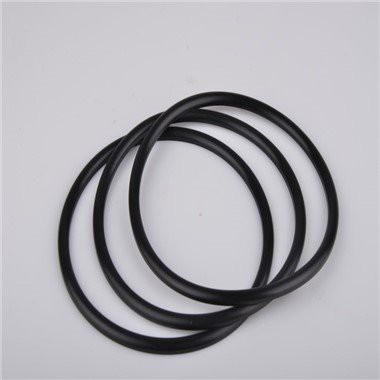

As a trusted supplier of PTFE O Rings, I am often asked about how these essential components perform in vacuum-sealed environments. In this blog post, I will delve into the characteristics of PTFE O Rings and explain their performance in vacuum conditions based on scientific facts and practical experience.
Understanding PTFE O Rings
PTFE, or polytetrafluoroethylene, is a synthetic fluoropolymer known for its outstanding chemical resistance, low friction coefficient, and high temperature stability. These properties make PTFE an ideal material for O Rings, which are used to create a seal between two components to prevent the leakage of fluids or gases.
PTFE O Rings come in various forms, such as O-ring with Teflon Coating, PTFE Coated O-ring, and PTFE Coating O Ring Seal. Each type has its own unique advantages and is suitable for different applications.
Performance in Vacuum-Sealed Environments
Low Outgassing
One of the most critical requirements for materials used in vacuum environments is low outgassing. Outgassing refers to the release of gases from a material when it is placed in a vacuum. These gases can contaminate the vacuum system and affect the performance of sensitive equipment.
PTFE has extremely low outgassing characteristics, making it an excellent choice for vacuum applications. The molecular structure of PTFE is very stable, and it does not contain volatile components that can be released under vacuum conditions. This means that PTFE O Rings will not introduce contaminants into the vacuum system, ensuring the purity and stability of the vacuum environment.
Chemical Resistance
In many vacuum applications, the O Rings may come into contact with various chemicals, such as solvents, acids, and bases. PTFE is highly resistant to a wide range of chemicals, including most organic solvents, strong acids, and alkalis. This chemical resistance allows PTFE O Rings to maintain their integrity and sealing performance even in harsh chemical environments.
For example, in a vacuum chamber used for chemical vapor deposition (CVD), the O Rings need to withstand the corrosive effects of precursor gases and reaction by-products. PTFE O Rings can provide reliable sealing in such environments, preventing the leakage of chemicals and ensuring the safety and efficiency of the CVD process.
Temperature Stability
Vacuum systems often operate at extreme temperatures, either high or low. PTFE has excellent temperature stability, with a wide operating temperature range from -200°C to +260°C. This means that PTFE O Rings can maintain their elasticity and sealing performance in both cryogenic and high-temperature vacuum applications.
In a space vacuum environment, where temperatures can vary significantly between sunlight and shadow, PTFE O Rings can still provide reliable sealing. Their ability to withstand extreme temperature changes ensures the long-term stability and performance of the vacuum system.
Low Friction
The low friction coefficient of PTFE is another advantage in vacuum applications. In a vacuum environment, the movement of components may be more difficult due to the absence of air lubrication. PTFE O Rings can reduce the friction between the sealing surfaces, making it easier to assemble and disassemble components.


This low friction property also helps to prevent wear and tear on the O Rings and the mating surfaces. As a result, PTFE O Rings can have a longer service life and require less maintenance in vacuum systems.
Applications of PTFE O Rings in Vacuum-Sealed Environments
Semiconductor Manufacturing
In the semiconductor industry, vacuum technology is widely used in processes such as wafer fabrication, etching, and deposition. PTFE O Rings are used in vacuum chambers, pumps, and valves to ensure the integrity of the vacuum environment and prevent the contamination of semiconductor wafers.
Space Technology
Spacecraft and satellites rely on vacuum systems for various functions, such as propulsion, thermal control, and communication. PTFE O Rings are used in vacuum seals for critical components to ensure the reliability and performance of these systems in the harsh space environment.
Scientific Research
In scientific research laboratories, vacuum systems are used for a variety of experiments, such as particle accelerators, electron microscopes, and nuclear magnetic resonance (NMR) spectrometers. PTFE O Rings play a crucial role in maintaining the vacuum conditions and ensuring the accuracy of experimental results.
Conclusion
In conclusion, PTFE O Rings offer excellent performance in vacuum-sealed environments. Their low outgassing, chemical resistance, temperature stability, and low friction make them an ideal choice for a wide range of vacuum applications. Whether you are in the semiconductor industry, space technology, or scientific research, PTFE O Rings can provide reliable sealing solutions.
If you are looking for high-quality PTFE O Rings for your vacuum applications, please feel free to contact us. We have a wide range of PTFE O Rings in different sizes and specifications to meet your specific needs. Our team of experts is also available to provide technical support and advice on selecting the right O Rings for your application.
References
- "Handbook of Sealant Technology" by D. D. Robert
- "Vacuum Technology: A Practical Guide" by P. A. Redhead