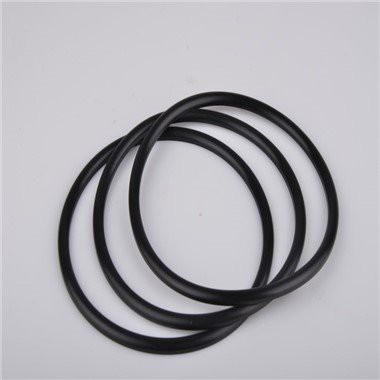

Removing rubber caps might seem like a simple task, but it can sometimes be quite challenging, especially when dealing with different types of rubber caps in various applications. As a supplier of rubber caps, I've encountered numerous situations where customers need guidance on how to safely and effectively remove these caps. In this blog, I'll share some practical methods and considerations for removing rubber caps, drawing on my experience in the industry.
Understanding Different Types of Rubber Caps
Before we delve into the removal methods, it's essential to understand the different types of rubber caps available. At our company, we offer a wide range of rubber caps, including Rubber Tube End Caps, Vacuum Bellows Suction Cup, and Protective Rubber End Caps. Each type has its unique characteristics and functions, which can affect the removal process.
- Rubber Tube End Caps: These caps are designed to seal the ends of tubes, preventing the leakage of fluids or gases. They are often made of soft rubber to ensure a tight fit, which can make them challenging to remove.
- Vacuum Bellows Suction Cup: Used in vacuum applications, these caps create a seal by using suction. Removing them requires breaking the vacuum seal, which can be tricky.
- Protective Rubber End Caps: These caps are used to protect the ends of objects from damage, dirt, or moisture. They are typically more rigid than other types of rubber caps, but they can still be difficult to remove if they are tightly fitted.
General Tips for Removing Rubber Caps
Regardless of the type of rubber cap you're dealing with, there are some general tips that can make the removal process easier and safer.
- Use the Right Tools: Depending on the size and type of the rubber cap, you may need different tools to remove it. For small caps, you can use a pair of tweezers or pliers. For larger caps, a flathead screwdriver or a pry bar may be more suitable. Make sure the tools you use are clean and dry to avoid damaging the rubber cap or the object it's attached to.
- Apply Lubrication: If the rubber cap is stuck, applying a small amount of lubricant can help loosen it. You can use a silicone-based lubricant, WD-40, or even a little bit of soap and water. Apply the lubricant around the edge of the cap and let it sit for a few minutes before attempting to remove the cap.
- Heat the Rubber Cap: Rubber expands when heated, which can make it easier to remove. You can use a heat gun or a hair dryer to gently heat the rubber cap. Be careful not to overheat the cap, as this can damage the rubber or the object it's attached to.
- Use a Vacuum Pump: If you're dealing with a vacuum bellows suction cup, using a vacuum pump can help break the vacuum seal and make it easier to remove the cap. Connect the vacuum pump to the suction cup and slowly release the vacuum.
Specific Removal Methods for Different Types of Rubber Caps
Now that we've covered the general tips, let's look at some specific removal methods for different types of rubber caps.
Removing Rubber Tube End Caps
- Grip the Cap Firmly: Use a pair of pliers or tweezers to grip the edge of the rubber tube end cap firmly. Make sure you have a good grip to avoid slipping and damaging the cap or the tube.
- Twist and Pull: Once you have a firm grip on the cap, gently twist it back and forth while pulling it away from the tube. This can help loosen the cap and make it easier to remove.
- Use a Flathead Screwdriver: If the cap is particularly stubborn, you can use a flathead screwdriver to pry it off. Insert the tip of the screwdriver between the cap and the tube and gently pry the cap up. Be careful not to damage the tube or the cap.
Removing Vacuum Bellows Suction Cup
- Break the Vacuum Seal: As mentioned earlier, removing a vacuum bellows suction cup requires breaking the vacuum seal. You can do this by using a small pin or a needle to puncture the edge of the suction cup. This will allow air to enter the cup and break the seal.
- Pull the Cup Away: Once the vacuum seal is broken, you can gently pull the suction cup away from the surface. If the cup is still stuck, you can try applying a little bit of lubricant or heating it slightly to make it easier to remove.
Removing Protective Rubber End Caps
- Use a Pry Bar or Flathead Screwdriver: Protective rubber end caps are typically more rigid than other types of rubber caps, so you may need to use a pry bar or a flathead screwdriver to remove them. Insert the tool between the cap and the object it's attached to and gently pry the cap up.
- Apply Heat: If the cap is tightly fitted, applying heat can help expand the rubber and make it easier to remove. Use a heat gun or a hair dryer to gently heat the cap for a few seconds. Be careful not to overheat the cap or the object it's attached to.
Considerations for Safety and Damage Prevention
When removing rubber caps, it's important to take some precautions to ensure your safety and prevent damage to the cap or the object it's attached to.
- Wear Gloves: Rubber caps can be slippery, especially if they are wet or lubricated. Wearing gloves can help you get a better grip on the cap and prevent your hands from getting injured.
- Be Gentle: When using tools to remove the rubber cap, be gentle to avoid damaging the cap or the object it's attached to. If the cap is stuck, don't force it off. Instead, try using one of the methods mentioned above to loosen it.
- Inspect the Cap and the Object: After removing the rubber cap, inspect it and the object it was attached to for any signs of damage. If the cap is damaged, it may need to be replaced. If the object is damaged, you may need to repair it before using it again.
Conclusion
Removing rubber caps can be a challenging task, but with the right tools, techniques, and precautions, it can be done safely and effectively. By understanding the different types of rubber caps and following the tips and methods outlined in this blog, you can make the removal process easier and avoid damaging the cap or the object it's attached to.


If you have any questions or need further assistance with removing rubber caps, or if you're interested in purchasing high-quality rubber caps for your applications, please feel free to contact us. We're here to help you find the right solutions for your needs.
References
- "Rubber Products Handbook," by Rubber Manufacturers Association
- "The Complete Guide to Rubber Seals and Gaskets," by John W. Gillespie Jr.