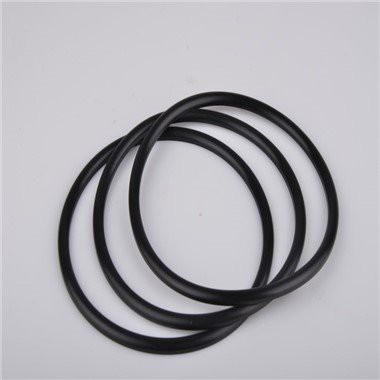

How are rubber molded parts made?
As a dedicated supplier of rubber molded parts, I'm excited to take you through the intricate process of how these essential components are crafted. Rubber molded parts are used in a wide range of industries, from automotive and aerospace to medical and consumer goods. Understanding the manufacturing process can help you appreciate the quality and precision that goes into each part.
1. Material Selection
The first step in making rubber molded parts is choosing the right rubber material. There are various types of rubber available, each with its own unique properties. For example, natural rubber offers high elasticity and good tear resistance, making it suitable for applications where flexibility is crucial. Synthetic rubbers like silicone rubber are known for their excellent heat resistance, chemical stability, and biocompatibility, which makes them ideal for Medical Silicone Parts used in the medical industry.
Nitrile rubber, on the other hand, has excellent oil and fuel resistance, making it a popular choice for automotive applications. EPDM rubber is valued for its weather resistance and is often used in outdoor applications. The selection of the rubber material depends on the specific requirements of the final part, such as its intended use, environmental conditions, and performance characteristics.
2. Compounding
Once the rubber material is selected, it needs to be compounded. Compounding is the process of mixing the base rubber with various additives to enhance its properties. These additives can include fillers, such as carbon black or silica, which improve the strength and durability of the rubber. Plasticizers are added to increase the flexibility and workability of the rubber, while antioxidants and stabilizers are used to prevent degradation due to heat, oxygen, and UV radiation.
The compounding process is carried out in a mixer, where the rubber and additives are thoroughly blended together. The temperature and mixing time are carefully controlled to ensure a homogeneous mixture. The resulting compound is then shaped into a sheet or extruded into a specific form for further processing.
3. Mold Design and Fabrication
The next crucial step is the design and fabrication of the mold. The mold is a precision tool that determines the shape and dimensions of the final rubber molded part. It is typically made from steel or aluminum, which are strong and durable materials that can withstand the high pressures and temperatures involved in the molding process.
The mold design process involves creating a 3D model of the part using computer-aided design (CAD) software. This model is then used to fabricate the mold using machining techniques, such as milling, turning, and electrical discharge machining (EDM). The mold is designed with features such as gates, runners, and vents to ensure proper flow of the rubber compound during the molding process.
4. Molding Process
There are several molding processes used to make rubber molded parts, including compression molding, injection molding, and transfer molding.
Compression Molding: This is one of the oldest and most widely used molding processes. In compression molding, a pre-measured amount of rubber compound is placed in the lower half of the mold. The upper half of the mold is then closed, and pressure is applied to compress the rubber compound into the shape of the mold cavity. Heat is also applied to vulcanize the rubber, which cross-links the polymer chains and gives the part its final properties. Compression molding is suitable for producing large, simple-shaped parts with relatively low production volumes.
Injection Molding: Injection molding is a more advanced and efficient process that is commonly used for high-volume production. In injection molding, the rubber compound is heated and melted in a barrel and then injected into the mold cavity under high pressure. The mold is designed to have a complex network of channels to ensure uniform filling of the cavity. Once the rubber has cooled and solidified, the mold is opened, and the part is ejected. Injection molding allows for the production of complex-shaped parts with high precision and consistency.
Transfer Molding: Transfer molding is a hybrid process that combines elements of compression molding and injection molding. In transfer molding, the rubber compound is placed in a transfer pot, which is then heated and pressurized. The molten rubber is then forced through a sprue and runners into the mold cavity. Transfer molding is suitable for producing parts with intricate shapes and high-quality surface finishes.


5. Vulcanization
Vulcanization is a critical step in the manufacturing of rubber molded parts. It is the process of cross-linking the polymer chains in the rubber compound to improve its strength, elasticity, and resistance to heat, chemicals, and abrasion. Vulcanization is typically carried out by heating the rubber in the mold at a specific temperature and for a specific time. The addition of vulcanizing agents, such as sulfur or peroxides, accelerates the cross-linking process.
The vulcanization process can be controlled to achieve different levels of hardness and other properties in the final part. After vulcanization, the rubber molded part has its final shape and properties and is ready for further processing or assembly.
6. Finishing Operations
Once the rubber molded part is removed from the mold, it may require some finishing operations. These can include trimming any excess rubber, removing flash (the thin layer of rubber that forms around the edges of the part during molding), and surface treatment to improve its appearance or performance.
Trimming can be done manually or using automated trimming machines. Surface treatment can involve processes such as sanding, polishing, or coating to enhance the part's surface finish, reduce friction, or provide additional protection.
7. Quality Control
Quality control is an integral part of the manufacturing process for rubber molded parts. At every stage, from material selection to finishing operations, strict quality control measures are implemented to ensure that the parts meet the required specifications and standards.
Inspection methods can include visual inspection, dimensional measurement using precision tools, and testing for physical and mechanical properties. For example, hardness testing, tensile strength testing, and compression set testing are commonly performed to ensure that the rubber molded part has the desired properties. Any parts that do not meet the quality standards are rejected and recycled or reworked.
8. Applications of Rubber Molded Parts
Rubber molded parts have a wide range of applications in various industries. In the automotive industry, they are used in engine mounts, seals, gaskets, and suspension components. In the aerospace industry, rubber molded parts are used in aircraft engines, landing gear, and cockpit controls.
The medical industry relies on rubber molded parts for applications such as Medical Silicone Parts, including syringes, catheters, and surgical gloves. Consumer goods also make use of rubber molded parts, such as Custom Rubber Picking Finger used in agricultural machinery and Rubber Membrane used in household appliances.
Contact Us for Your Rubber Molded Part Needs
If you are in need of high-quality rubber molded parts, we are here to help. Our experienced team of engineers and technicians can work with you to understand your specific requirements and provide customized solutions. Whether you need a small batch of prototype parts or large-scale production, we have the expertise and capabilities to meet your needs.
We are committed to providing the highest level of quality and service. Contact us today to discuss your project and start the process of getting the perfect rubber molded parts for your application.
References
- "Rubber Technology: Compounding, Processing, and Testing" by Charles W. Macosko
- "Handbook of Rubber Technology" by Maurice Morton
- Industry standards and guidelines for rubber molded parts manufacturing from relevant organizations.