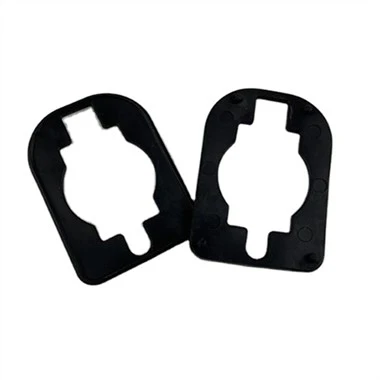

Do solid rubber gaskets emit any odors? That's a question I've gotten a bunch from customers, and it makes total sense. After all, nobody wants a stinky gasket in their equipment or product. As a solid rubber gasket supplier, I'm here to break it all down for you.
First off, let's talk about what solid rubber gaskets are. They're used in tons of industries, from automotive to plumbing, to create a tight seal between two surfaces. They can be made from different types of rubber, each with its own properties. For example, you've got the Oil And Heat Resistant Rubber Gasket, which is great for applications where there's a lot of oil and high temperatures, and the Synthetic Rubber Gasket, which offers some unique performance features.
Now, back to the odor question. The short answer is, it depends. Some solid rubber gaskets can emit odors, and there are a few reasons for that.
Reasons for Odor Emission
1. Rubber Material
- Natural Rubber: Natural rubber is derived from the latex of rubber trees. It can have a bit of a natural, earthy smell. When it's processed into gaskets, if the manufacturing process doesn't remove certain impurities or if there are remnants of the natural latex components, it can lead to an odor. But this smell usually fades over time.
- Synthetic Rubbers: Some synthetic rubbers, like neoprene or nitrile, can also have an odor. For instance, nitrile rubber, which is commonly used because of its good resistance to oil and chemicals, can emit a faint, chemical - like smell. This is often due to the residual chemicals used in the polymerization process. The more complex the chemical structure of the synthetic rubber, the higher the chance of there being some odor during the initial stages.
2. Additives
- Fillers: To improve the strength, hardness, or other properties of the rubber gasket, manufacturers often add fillers like carbon black or silica. These fillers can sometimes carry an odor, especially if they're not properly treated or if they have absorbed impurities during storage or handling.
- Plasticizers: Plasticizers are added to make the rubber more flexible. Some of the older - style plasticizers, like certain phthalates, can have a distinct odor. However, with the increasing use of more environmentally friendly and odor - free plasticizers, this is becoming less of a problem.
3. Manufacturing Process
- Vulcanization: Vulcanization is a crucial step in making rubber gaskets. It involves treating the rubber with sulfur or other vulcanizing agents to cross - link the polymer chains. If the vulcanization process isn't controlled properly, there can be residual sulfur or other chemicals left in the gasket, which can cause an odor. For example, over - vulcanization can lead to the formation of sulfur - containing by - products that have a strong, unpleasant smell.
- Temperature and Pressure: During the molding or extrusion process, if the temperature is too high or the pressure is too extreme, it can cause the rubber to break down slightly and release volatile organic compounds (VOCs). These VOCs can be the source of an odor.
How to Minimize Odor
If you're worried about the odor of solid rubber gaskets, there are a few things you can do.
1. Choose the Right Material
- Look for low - odor rubber materials. Some manufacturers offer specially formulated rubbers that are designed to have minimal odor. For example, there are some synthetic rubbers that are made with low - odor additives and a more refined manufacturing process.
- Consider the application. If odor is a major concern, you might want to avoid natural rubber in some cases and opt for a synthetic rubber with better odor - control properties.
2. Proper Ventilation
- During the installation of the gaskets, make sure there's proper ventilation. This allows any initial odors to disperse quickly. For example, in a manufacturing plant where gaskets are being installed in large - scale equipment, opening windows or using exhaust fans can help.
- If you're using gaskets in a small, enclosed space, like a home plumbing system, make sure the area is well - ventilated during and after installation.
3. Quality Manufacturers
- Work with a reliable gasket supplier. At our company, we take odor control seriously. We use high - quality raw materials and follow strict manufacturing processes to minimize the odor of our Factory - Direct Custom Rubber Gaskets. We also test our gaskets for odor emissions to ensure they meet the highest standards.
Impact of Odor on Applications
The odor of a solid rubber gasket can have different impacts depending on the application.
1. Residential Applications
- In home plumbing or HVAC systems, an odor from a rubber gasket can be a nuisance. It can make the air in the house smell unpleasant, and it might even be mistaken for a gas leak or a problem with the system. For example, if a rubber gasket in a water heater emits an odor, it can make the hot water smell bad.
- In food - contact applications, like in kitchen appliances or food storage containers, any odor from a gasket can be a major concern. It can contaminate the food and make it unappetizing or even unsafe to eat.
2. Industrial Applications
- In industrial settings, an odor from a gasket can be a sign of a problem. For example, if a gasket in a chemical processing plant emits an unusual odor, it could indicate that the gasket is being degraded by the chemicals it's in contact with. This could lead to leaks and potential safety hazards.
- In the automotive industry, an odor from a gasket can be a quality issue. It can make the interior of the car smell bad, which can affect the customer's perception of the vehicle's quality.
Conclusion
So, do solid rubber gaskets emit any odors? The answer is yes, they can, but it's not a given. There are many factors that can contribute to odor, including the rubber material, additives, and manufacturing process. However, by choosing the right materials, ensuring proper ventilation, and working with a quality supplier, you can minimize the odor and ensure that your gaskets meet your needs.
If you're in the market for solid rubber gaskets and want to learn more about odor control or have any other questions, don't hesitate to reach out. We're here to help you find the best gaskets for your application. Whether it's an Oil And Heat Resistant Rubber Gasket, a Synthetic Rubber Gasket, or a Factory - Direct Custom Rubber Gasket, we've got you covered.


References
- "Handbook of Rubber Technology" - A comprehensive guide on rubber materials and manufacturing processes.
- "Rubber Chemistry and Technology" - A leading journal in the field of rubber science, with articles on rubber odor and its control.