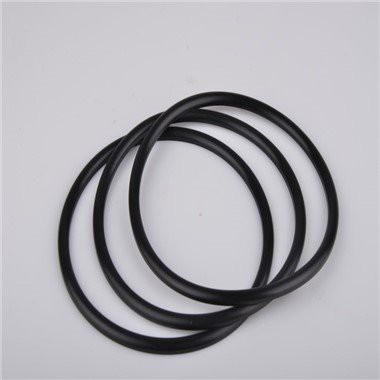
Hey there! As a supplier of small rubber O-rings, I often get asked if these little guys come in different colors. Well, the short answer is yes, they do! But there's a lot more to it than just a splash of color, so let's dive in and explore this topic together.
First off, why would anyone care about the color of a small rubber O-ring? You might think that since these O-rings are usually hidden away inside machinery or equipment, color wouldn't matter. But in fact, color can serve several important purposes. For one, it can be used as a quick and easy way to identify different types of O-rings. In a large industrial setting, where there might be dozens or even hundreds of different O-rings in use, color-coding can save a lot of time and prevent mistakes.
Another reason for having different colored O-rings is for aesthetic purposes. In some consumer products, like high-end electronics or luxury vehicles, the appearance of the O-rings can contribute to the overall look and feel of the product. A brightly colored O-ring can add a touch of style and make the product stand out.
So, what colors are available for small rubber O-rings? The options are pretty much endless. The most common colors you'll see are black, which is the default color for many types of rubber O-rings. Black rubber is often used because it's durable, resistant to UV light and ozone, and has good chemical resistance. But if you're looking for something more eye-catching, you can also find O-rings in colors like red, blue, green, yellow, and even fluorescent colors.
The color of a rubber O-ring is determined by the type of rubber used and the additives that are mixed in during the manufacturing process. Different types of rubber have different natural colors, and by adding pigments or dyes, manufacturers can achieve a wide range of colors. For example, silicone rubber is naturally transparent or translucent, but it can be easily colored to any shade you want. This makes silicone rubber a popular choice for applications where color is important.
Let's talk about some of the different types of rubber that are used to make small O-rings and the colors they're available in.
Silicone Rubber O-Rings
Silicone rubber is known for its excellent heat resistance, flexibility, and electrical insulation properties. It's commonly used in applications such as food and beverage processing, medical devices, and electronics. When it comes to color, silicone rubber O-rings can be made in just about any color you can imagine. You can get Custom Molded Silicone Rubber O Ring in bright, vivid colors that are perfect for applications where aesthetics are important. And if you need a specific size or shape, custom options are available too, like Custom Size Silicone Rubber O Ring.
Neoprene Rubber O-Rings
Neoprene rubber is a synthetic rubber that offers good resistance to oil, chemicals, and weathering. It's often used in automotive and industrial applications. Neoprene O-rings are typically available in black, but they can also be made in other colors. Neoprene Rubber O Rings can be a great choice if you need an O-ring that can withstand harsh environments.
Nitrile Rubber O-Rings
Nitrile rubber is another popular choice for O-rings. It has excellent resistance to oil and fuel, making it ideal for automotive and aerospace applications. Nitrile O-rings are usually black, but they can also be found in other colors. The color options may be a bit more limited compared to silicone rubber, but you can still find some non - traditional colors if you look around.
EPDM Rubber O-Rings
EPDM rubber is known for its good resistance to weather, ozone, and steam. It's commonly used in outdoor applications, such as in plumbing and HVAC systems. EPDM O-rings are available in a variety of colors, including black, white, and gray. The color can help with identification and also protect the rubber from UV damage in outdoor applications.


When choosing the color of a small rubber O-ring, it's important to consider the application requirements. For example, if the O-ring will be exposed to high temperatures, you'll want to make sure the colorant used is heat - resistant. If it will be in contact with chemicals, the colorant should be resistant to those chemicals as well.
In addition to the practical considerations, you also need to think about the cost. Some colors may be more expensive than others, especially if they require special pigments or dyes. Custom - colored O-rings may also have a higher minimum order quantity, so it's important to factor that into your budget.
If you're in the market for small rubber O-rings and are interested in exploring the different color options, I'd be more than happy to help. As a supplier, I have access to a wide range of rubber materials and color choices. Whether you need a standard color or a custom - colored O-ring for a specific project, we can work together to find the right solution for you.
We understand that every application is unique, and that's why we offer a variety of customization options. From the size and shape of the O-ring to the color and material, we can tailor our products to meet your exact needs. So, if you're looking for high - quality small rubber O-rings in different colors, don't hesitate to reach out. We're here to assist you with all your O-ring requirements and can provide you with a competitive quote.
In conclusion, small rubber O-rings do come in different colors, and this can offer both practical and aesthetic benefits. Whether you're using them for industrial applications, consumer products, or something else entirely, the right color can make a big difference. So, if you're in need of small rubber O-rings, give us a shout, and let's start a conversation about your specific needs.
References
- Rubber O-Ring Handbook: A Guide to Selection, Installation, and Maintenance
- Industrial Rubber Products Manual