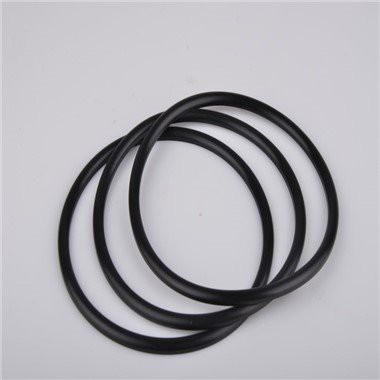

As a seasoned supplier of rubber rings, I've witnessed firsthand the diverse applications and importance of these seemingly simple yet crucial components. Rubber rings, also known as O - rings, are used in a wide range of industries, from automotive to plumbing, and even in aerospace technology. One question that frequently arises from our customers is whether rubber rings need special maintenance. In this blog post, I'll delve into this topic, exploring the factors that influence the need for maintenance and providing practical advice based on my years of experience in the rubber ring business.
Understanding Rubber Rings
Before we discuss maintenance, it's essential to understand what rubber rings are and how they function. Rubber rings are circular seals made from various types of rubber materials, such as nitrile, silicone, and fluorocarbon. Their primary function is to prevent the leakage of fluids or gases in a system by creating a tight seal between two mating surfaces.
The performance of a rubber ring depends on several factors, including the material properties, the operating conditions, and the installation method. Different rubber materials have different chemical and physical properties, which determine their resistance to temperature, pressure, chemicals, and abrasion. For example, nitrile rubber rings are known for their excellent oil resistance, making them suitable for automotive applications, while silicone rubber rings offer high - temperature resistance and are often used in food and beverage processing.
Factors Affecting the Need for Maintenance
- Operating Environment
The operating environment is one of the most significant factors that determine whether rubber rings need special maintenance. Extreme temperatures, high pressures, exposure to chemicals, and UV radiation can all degrade the rubber material over time. In high - temperature environments, rubber can become brittle and lose its elasticity, leading to seal failure. On the other hand, exposure to certain chemicals can cause the rubber to swell, harden, or dissolve. For instance, in a chemical processing plant where rubber rings are exposed to strong acids or alkalis, regular inspection and maintenance are crucial to ensure the integrity of the seals. - Frequency of Use
The frequency of use also plays a role in the maintenance requirements of rubber rings. In applications where the rubber rings are subjected to frequent movement or cycling, such as in pumps or valves, they are more likely to experience wear and tear. Over time, this can lead to a reduction in the sealing performance of the rings. For example, in a hydraulic system where the rubber rings are constantly under pressure and in motion, they may need to be replaced more frequently than in a static application. - Installation Quality
Proper installation is essential for the long - term performance of rubber rings. If the rings are not installed correctly, they may be damaged during the installation process or may not form a proper seal. Common installation errors include over - stretching, cutting, or nicking the rubber ring, as well as improper alignment. These issues can lead to premature failure of the seal and increase the need for maintenance. Therefore, it's important to follow the manufacturer's installation guidelines carefully.
Special Maintenance Requirements
- Cleaning
Regular cleaning is an important part of rubber ring maintenance. Dirt, debris, and contaminants can accumulate on the surface of the rubber ring, which can affect its sealing performance and accelerate wear. Depending on the application, the rubber rings can be cleaned using a mild detergent and water. However, it's important to avoid using harsh chemicals or solvents that can damage the rubber material. For example, in a food processing application, the rubber rings should be cleaned with a food - grade detergent to ensure food safety. - Lubrication
Lubrication can help reduce friction and wear on rubber rings, especially in applications where there is relative movement between the ring and the mating surfaces. However, it's important to choose the right lubricant. Some lubricants may react with the rubber material and cause degradation. Silicone - based lubricants are often recommended for rubber rings because they are compatible with most rubber materials and provide good lubrication properties. Before applying the lubricant, make sure the rubber ring is clean and dry. - Inspection
Regular inspection is crucial for detecting any signs of damage or wear on the rubber rings. During the inspection, check for cracks, cuts, swelling, or hardening of the rubber material. Also, inspect the sealing surfaces for any signs of leakage. If any damage is detected, the rubber ring should be replaced immediately to prevent further problems. For example, in an automotive engine, a leaking rubber ring can cause oil or coolant to escape, which can lead to engine damage.
Our Product Range and Solutions
As a leading supplier of rubber rings, we offer a wide range of products to meet the diverse needs of our customers. Our OEM Seal Ring are designed to meet the specific requirements of original equipment manufacturers. They are manufactured using high - quality rubber materials and advanced production techniques to ensure excellent performance and durability.
Our Molded Rubber Ring are custom - molded to fit the exact specifications of your application. We can produce molded rubber rings in various shapes and sizes, with different hardness and material properties. Whether you need a simple round O - ring or a complex custom - shaped seal, we can provide a solution that meets your needs.
In addition, we also offer Customized Rubber Ring services. If you have a unique application that requires a special rubber ring, our experienced engineering team can work with you to design and manufacture a customized solution. We use the latest CAD/CAM technology to ensure accurate design and production, and we can also conduct material testing and performance evaluation to ensure the quality of our products.
Contact Us for Your Rubber Ring Needs
If you're in the market for high - quality rubber rings or need advice on rubber ring maintenance, we're here to help. Our team of experts has extensive knowledge and experience in the rubber ring industry, and we can provide you with the best solutions for your specific application. Whether you're a small business or a large corporation, we can offer competitive prices and excellent customer service.


Contact us today to discuss your rubber ring requirements and start a procurement negotiation. We look forward to working with you to meet your sealing needs.
References
- "Rubber Seals Handbook" by the Rubber Manufacturers Association
- "Sealing Technology: Theory and Practice" by Allan R. Parker