
Hey there! As a supplier of EPDM rubber rings, I often get asked whether these rings need lubrication during installation. It's a great question, and in this blog, I'll break down everything you need to know about lubricating EPDM rubber rings during the installation process.
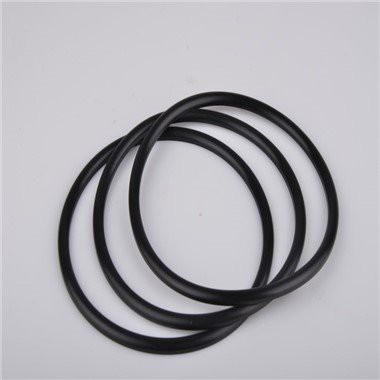
First off, let's understand what EPDM rubber rings are. EPDM, which stands for Ethylene Propylene Diene Monomer, is a synthetic rubber known for its excellent resistance to weather, ozone, and oxidation. These rubber rings are widely used in various industries, including automotive, plumbing, and electrical, because of their durability and flexibility. They come in different shapes and sizes, and you can find China Rubber O Ring, Colored Rubber O Rings, and Inch Oring to meet different application needs.


Now, back to the main question: do EPDM rubber rings need lubrication during installation? The short answer is: it depends. Let's dive into the details to see when lubrication is necessary and when it might not be.
When Lubrication is Necessary
1. Reducing Friction
One of the primary reasons to lubricate EPDM rubber rings during installation is to reduce friction. When you're trying to fit a rubber ring into a groove or onto a shaft, there's a lot of friction between the rubber and the surface it's being installed on. This friction can cause the rubber to stretch unevenly, tear, or even get stuck during the installation process.
Lubrication acts as a barrier between the rubber and the surface, allowing the ring to slide into place more easily. This not only makes the installation process quicker and more efficient but also reduces the risk of damaging the rubber ring. For example, in automotive applications where rubber rings are used in engine seals, a smooth installation is crucial to ensure proper sealing and prevent leaks.
2. Preventing Damage
In some cases, the installation process can be quite aggressive, especially when dealing with tight-fitting rubber rings. Without lubrication, the rubber can be subjected to excessive stress, which can lead to cuts, nicks, or other forms of damage. These damages can compromise the integrity of the rubber ring and reduce its sealing performance over time.
By applying a suitable lubricant, you can cushion the rubber ring during installation and protect it from these potential damages. This is particularly important in high-pressure applications where any damage to the rubber ring can result in significant safety risks or system failures.
3. Ensuring Proper Sealing
Lubrication can also help ensure proper sealing of the EPDM rubber ring. When a rubber ring is installed without lubrication, it may not seat properly in the groove, leaving gaps that can allow fluids or gases to leak. A lubricant can help the rubber ring conform to the shape of the groove more effectively, creating a better seal.
When Lubrication Might Not Be Necessary
1. Low-Friction Surfaces
If the surface where the EPDM rubber ring is being installed is already smooth and has low friction, lubrication may not be necessary. For example, in some plastic or polished metal components, the rubber ring can slide into place easily without the need for additional lubrication. In these cases, adding lubricant may actually make the installation process more difficult, as the lubricant can make the rubber ring slippery and hard to handle.
2. Specific Application Requirements
Some applications may have specific requirements that prohibit the use of lubricants. For example, in food and beverage industries, the use of lubricants that are not food-grade can contaminate the product. In these cases, alternative installation methods or materials may be used to ensure a proper installation without the need for lubrication.
Choosing the Right Lubricant
If you've determined that lubrication is necessary for your EPDM rubber ring installation, it's important to choose the right lubricant. Not all lubricants are compatible with EPDM rubber, and using the wrong lubricant can cause swelling, degradation, or other forms of damage to the rubber.
Here are some tips for choosing the right lubricant:
- Compatibility: Make sure the lubricant is compatible with EPDM rubber. Silicone-based lubricants are generally a good choice for EPDM rubber rings, as they are non-reactive and provide good lubrication properties.
- Application: Consider the application of the EPDM rubber ring when choosing a lubricant. For example, in food and beverage applications, you'll need to use a food-grade lubricant. In high-temperature applications, you'll need a lubricant that can withstand the heat without breaking down.
- Viscosity: The viscosity of the lubricant is also important. A lubricant that is too thick may be difficult to apply and may not spread evenly, while a lubricant that is too thin may not provide enough lubrication. Choose a lubricant with the appropriate viscosity for your installation process.
How to Apply Lubricant
Once you've chosen the right lubricant, it's important to apply it correctly. Here's a step-by-step guide on how to apply lubricant to EPDM rubber rings:
- Clean the Rubber Ring and the Installation Surface: Before applying the lubricant, make sure the rubber ring and the installation surface are clean and free of dirt, debris, and other contaminants. This will ensure that the lubricant can adhere properly and provide effective lubrication.
- Apply a Thin Layer of Lubricant: Use a brush, spray, or other applicator to apply a thin, even layer of lubricant to the rubber ring. Make sure to cover the entire surface of the rubber ring, including the inner and outer diameters.
- Install the Rubber Ring: Once the lubricant has been applied, carefully install the EPDM rubber ring into the groove or onto the shaft. Take your time to ensure that the rubber ring is seated properly and there are no twists or kinks.
- Remove Excess Lubricant: After the rubber ring has been installed, wipe off any excess lubricant from the surface. This will prevent the lubricant from attracting dirt and debris, which can affect the performance of the rubber ring over time.
Conclusion
In conclusion, whether EPDM rubber rings need lubrication during installation depends on various factors, such as the surface characteristics, the installation process, and the application requirements. In most cases, lubrication can provide significant benefits, including reducing friction, preventing damage, and ensuring proper sealing. However, it's important to choose the right lubricant and apply it correctly to avoid any potential issues.
If you're in the market for EPDM rubber rings or have any questions about their installation, feel free to reach out to us. We're here to help you find the right products and provide you with the best advice for your specific needs. Whether you need China Rubber O Ring, Colored Rubber O Rings, or Inch Oring, we've got you covered.
References
- ASTM D1418 - Standard Terminology for Rubber and Rubber Latices
- Rubber Handbook, The International Institute of Synthetic Rubber Producers, Inc.
- "Sealing Technology Handbook" by John H. Bickford