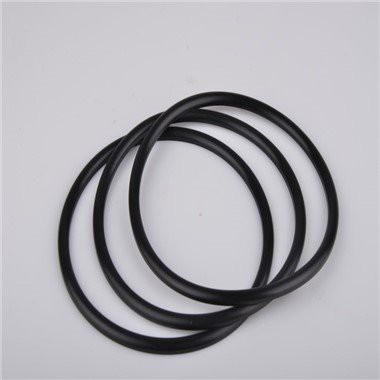

Can rubber stoppers be used in cold environments? This is a question that often comes up in various industries, especially those that rely on rubber components for their operations. As a leading supplier of rubber stoppers, I have encountered this query numerous times from our clients. In this blog post, I will delve into the factors that determine the suitability of rubber stoppers in cold environments, the types of rubber stoppers that are better suited for such conditions, and provide some real - world examples and case studies.
Understanding the Impact of Cold on Rubber
Rubber is a polymer material with unique physical properties. When exposed to cold temperatures, rubber undergoes several changes. The most significant change is the reduction in its flexibility. As the temperature drops, the molecular movement within the rubber slows down, causing the rubber to become stiffer. This stiffness can lead to a loss of elasticity, which is crucial for many applications of rubber stoppers.
Another issue is the potential for cracking. When rubber becomes too rigid, it is more prone to cracking under stress. This can be a major problem in applications where the rubber stopper needs to maintain a tight seal or withstand mechanical forces. For example, in a laboratory setting, a cracked rubber stopper can lead to leaks, which can contaminate samples or cause safety hazards.


Factors Affecting the Cold - Resistance of Rubber Stoppers
Rubber Material
Different types of rubber have different cold - resistance properties. For instance, natural rubber has relatively poor cold - resistance. It starts to lose its flexibility at temperatures around 0°C and becomes brittle at lower temperatures. On the other hand, synthetic rubbers like silicone rubber and neoprene have better cold - resistance.
Silicone rubber can maintain its flexibility at temperatures as low as - 50°C to - 60°C. This makes it an excellent choice for applications in extremely cold environments. Neoprene, which is known for its durability and chemical resistance, can also withstand cold temperatures down to around - 40°C.
Additives
Manufacturers can add certain additives to rubber to improve its cold - resistance. Plasticizers are commonly used additives that can increase the flexibility of rubber at low temperatures. They work by reducing the intermolecular forces within the rubber, allowing the molecules to move more freely. However, the use of plasticizers needs to be carefully controlled, as excessive amounts can lead to other problems such as reduced mechanical strength or increased susceptibility to chemical attack.
Design and Manufacturing Process
The design of the rubber stopper can also affect its performance in cold environments. A well - designed stopper with a proper shape and thickness distribution can better withstand the stresses caused by cold temperatures. Additionally, the manufacturing process can influence the internal structure of the rubber, which in turn affects its cold - resistance. For example, vulcanization, a process that cross - links the rubber molecules, can improve the overall properties of the rubber, including its cold - resistance.
Types of Rubber Stoppers Suitable for Cold Environments
Stopper Door Rubber
Stopper Door Rubber is often used in cold storage facilities or outdoor applications where doors need to be sealed against the cold. These rubber stoppers are typically made from materials with good cold - resistance, such as neoprene or silicone rubber. They are designed to provide a tight seal, preventing cold air from entering or warm air from escaping.
Laboratory Rubber Stopper Plug
In laboratories, Laboratory Rubber Stopper Plug is used to seal test tubes, flasks, and other containers. In cold storage conditions, where samples need to be kept at low temperatures, it is essential that the rubber stoppers maintain their seal integrity. Silicone rubber stoppers are a popular choice in these situations due to their excellent cold - resistance and chemical inertness.
Self Adhesive Door Bumpers
Self Adhesive Door Bumpers are used to protect doors and frames from damage. In cold environments, they need to remain flexible and adhesive. Silicone - based self - adhesive door bumpers are often preferred as they can maintain their properties even at low temperatures.
Real - World Examples and Case Studies
Cold Storage Facilities
In a large cold storage warehouse, the use of rubber stoppers on doors and vents is crucial for energy efficiency. A company that switched from natural rubber stoppers to neoprene stoppers noticed a significant reduction in energy consumption. The neoprene stoppers maintained their seal even at - 20°C, preventing cold air from leaking out and reducing the workload on the refrigeration system.
Arctic Research Stations
Arctic research stations require rubber components that can withstand extremely cold temperatures. Silicone rubber stoppers are widely used in these stations for sealing equipment and containers. In one case, a research team used silicone rubber stoppers to seal chemical storage containers. Despite the temperatures dropping to - 50°C, the stoppers remained flexible and maintained a tight seal, ensuring the safety and integrity of the stored chemicals.
Conclusion
In conclusion, rubber stoppers can be used in cold environments, but the choice of rubber material, additives, design, and manufacturing process is crucial. Silicone rubber and neoprene are two types of rubber that are well - suited for cold conditions. By understanding the factors that affect the cold - resistance of rubber stoppers, industries can make informed decisions when selecting the appropriate rubber stoppers for their applications.
If you are in need of high - quality rubber stoppers for cold environments, we are here to help. Our team of experts can assist you in choosing the right rubber material and design for your specific requirements. Contact us today to start a procurement discussion and find the perfect rubber stopper solutions for your business.
References
- "Rubber Technology Handbook" by Werner Hofmann
- "Polymer Science and Technology" by James E. Mark
- Industry reports on rubber applications in cold environments