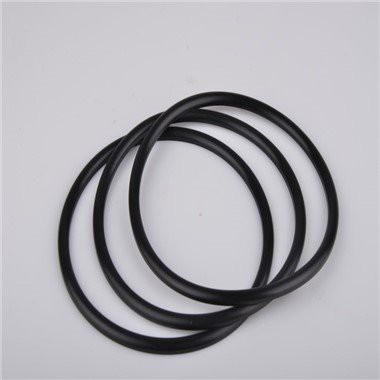

In the contemporary era, environmental consciousness has become a pivotal concern across various industries. As a supplier of rubber stoppers, I often encounter inquiries regarding the recyclability of our products. This blog aims to delve into the intricacies of rubber stopper recycling, exploring the possibilities, challenges, and best practices associated with it.


Understanding Rubber Stoppers
Rubber stoppers come in a diverse range of shapes, sizes, and compositions to meet the specific needs of different applications. From Wheel Stopper Rubber used in automotive and industrial settings to Stopper Door Rubber for residential and commercial doors, and Special Shape Rubber Plug designed for unique sealing requirements, the versatility of rubber stoppers is remarkable.
The materials used to manufacture rubber stoppers typically include natural rubber, synthetic rubber such as neoprene, silicone, and EPDM (ethylene propylene diene monomer). Each type of rubber has its own distinct properties, such as flexibility, durability, chemical resistance, and temperature tolerance, which make them suitable for different environments and applications.
The Case for Recycling Rubber Stoppers
Recycling rubber stoppers offers several significant environmental and economic benefits. From an environmental perspective, recycling helps to conserve natural resources by reducing the demand for virgin rubber. Rubber is derived from natural rubber trees or synthesized from petrochemicals, both of which require significant amounts of energy and resources to produce. By recycling rubber stoppers, we can extend the lifespan of these materials and minimize the environmental impact associated with their extraction and production.
Moreover, recycling rubber stoppers reduces the amount of waste sent to landfills. Rubber is a non-biodegradable material, which means it can persist in the environment for hundreds of years. When rubber stoppers end up in landfills, they take up valuable space and can potentially release harmful chemicals into the soil and groundwater over time. Recycling helps to divert these materials from landfills and gives them a new lease on life.
Economically, recycling rubber stoppers can be a cost-effective alternative to producing new rubber products. The process of recycling rubber typically requires less energy and resources compared to manufacturing new rubber from scratch. This can result in cost savings for both the recycling industry and the end-users of recycled rubber products. Additionally, the market for recycled rubber products is growing, as more consumers and businesses are becoming aware of the environmental benefits of using recycled materials.
Challenges in Recycling Rubber Stoppers
Despite the numerous benefits of recycling rubber stoppers, there are several challenges that need to be addressed. One of the main challenges is the complexity of rubber materials. As mentioned earlier, rubber stoppers can be made from different types of rubber, each with its own unique chemical composition and properties. This makes it difficult to recycle rubber stoppers in a single, standardized process. Different types of rubber may require different recycling methods, and separating them from each other can be a labor-intensive and costly process.
Another challenge is the presence of contaminants in rubber stoppers. Rubber stoppers are often used in applications where they come into contact with various chemicals, oils, and other substances. These contaminants can make the recycling process more difficult and may require additional steps to remove them. For example, rubber stoppers used in the pharmaceutical industry may be contaminated with drugs or other substances, which need to be removed before the rubber can be recycled.
In addition, the recycling infrastructure for rubber stoppers is still relatively limited. There are not many recycling facilities that specialize in recycling rubber stoppers, and the transportation and collection of used rubber stoppers can be a logistical challenge. This can make it difficult for businesses and consumers to recycle their rubber stoppers, especially in areas where recycling services are not readily available.
Recycling Methods for Rubber Stoppers
Despite the challenges, there are several methods available for recycling rubber stoppers. One common method is mechanical recycling, which involves grinding the rubber stoppers into small pieces and then using them as a raw material for the production of new rubber products. The ground rubber can be mixed with virgin rubber or other additives to produce a variety of products, such as rubber mats, flooring, and automotive parts.
Another method is chemical recycling, which involves breaking down the rubber molecules into their constituent monomers using chemical processes. These monomers can then be used to produce new rubber or other chemical products. Chemical recycling has the potential to produce higher-quality recycled rubber compared to mechanical recycling, but it is also more complex and expensive.
In some cases, rubber stoppers can also be reused directly without undergoing any recycling process. For example, rubber stoppers that are still in good condition can be cleaned and sterilized and then reused in the same or similar applications. This is a simple and effective way to extend the lifespan of rubber stoppers and reduce waste.
Best Practices for Recycling Rubber Stoppers
To overcome the challenges in recycling rubber stoppers and maximize the environmental and economic benefits of recycling, it is important to follow some best practices. First, it is essential to properly identify and separate different types of rubber stoppers. This can be done by conducting a material analysis or by using visual inspection to determine the type of rubber used. Once the different types of rubber stoppers are separated, they can be sent to the appropriate recycling facilities for processing.
Second, it is important to clean and remove any contaminants from the rubber stoppers before recycling. This can be done by using solvents, detergents, or other cleaning agents to remove dirt, oils, and other substances. In some cases, it may be necessary to use specialized cleaning equipment or techniques to ensure that the rubber stoppers are thoroughly cleaned.
Third, it is important to work with reputable recycling partners who have the expertise and experience in recycling rubber stoppers. A good recycling partner will be able to provide guidance on the best recycling methods for your specific type of rubber stoppers and ensure that the recycling process is carried out in an environmentally responsible manner.
Finally, it is important to raise awareness about the importance of recycling rubber stoppers among consumers, businesses, and other stakeholders. This can be done through education and outreach programs, as well as by promoting the use of recycled rubber products. By increasing awareness and demand for recycled rubber products, we can create a more sustainable market for recycling rubber stoppers.
Conclusion
In conclusion, the question of whether rubber stoppers can be recycled is a complex one. While there are certainly challenges in recycling rubber stoppers, the environmental and economic benefits of recycling make it a worthwhile endeavor. As a rubber stopper supplier, I am committed to promoting the recycling of our products and working with our customers and partners to find innovative solutions to overcome the challenges.
If you are interested in learning more about our rubber stoppers or have any questions about recycling, please feel free to contact us. We would be happy to discuss your specific needs and provide you with more information about our products and services. Let's work together to create a more sustainable future by recycling rubber stoppers and other rubber products.
References
- "Rubber Recycling: An Overview" by the Rubber Manufacturers Association
- "Environmental Impact of Rubber Production and Recycling" by the International Rubber Study Group
- "Recycling Technologies for Rubber Products" by the European Tyre and Rubber Manufacturers' Association