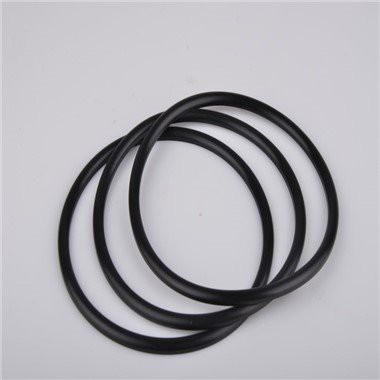

Hey there! As a supplier of rubber caps, I often get asked if rubber caps can be used in industrial machinery. Well, the short answer is yes, and in this blog, I'm gonna dive deep into why and how rubber caps play a crucial role in industrial machinery.
Why Rubber Caps in Industrial Machinery?
First off, let's talk about protection. Industrial machinery is often exposed to harsh environments, including dust, dirt, moisture, and chemicals. Rubber caps act as a barrier, protecting sensitive parts from these elements. For example, in a manufacturing plant where metal shavings and dust are flying around, a rubber cap on a machine's electrical connectors can prevent debris from getting in and causing short - circuits. This not only extends the lifespan of the machinery but also reduces the risk of costly breakdowns.
Another important aspect is vibration dampening. Industrial machines can generate a lot of vibrations during operation. These vibrations can lead to wear and tear on the machine's components over time. Rubber caps, with their elastic properties, can absorb and dissipate these vibrations. Think of a large compressor in a factory. The constant vibrations can loosen bolts and cause misalignments. By using rubber caps on certain parts, we can minimize the impact of these vibrations and keep the machine running smoothly.
Sealing is yet another key function. In many industrial processes, it's essential to maintain a tight seal to prevent leaks. Rubber caps can be used to seal pipes, valves, and other openings. For instance, in a chemical processing plant, a rubber cap on a valve can prevent the leakage of hazardous chemicals, ensuring the safety of the workers and the environment.
Types of Rubber Caps for Industrial Machinery
There are various types of rubber caps available for different industrial applications. One popular type is the Square End Caps Rubber. These are great for covering square - shaped openings on machinery. They provide a snug fit and are often used in applications where a clean and precise seal is required, such as in electronic enclosures or small - scale manufacturing equipment.
The OEM ODM Protective Tips Cover Rubber Cap is another versatile option. These caps are designed to protect the tips of tools and machinery parts. They can be customized according to the specific requirements of the customer, making them ideal for original equipment manufacturers (OEMs) and those looking for unique design solutions.
Then there's the Vacuum Bellows Suction Cup. This type of rubber cap is used in applications where a strong suction force is needed. In automated manufacturing processes, these suction cups can be used to pick and place components accurately. They are flexible and can adapt to different shapes and surfaces, making them a valuable asset in industrial machinery.
Material Considerations
When it comes to rubber caps for industrial machinery, the choice of material is crucial. Different materials have different properties that make them suitable for specific applications.
Natural rubber is known for its high elasticity and good abrasion resistance. It's a great choice for applications where the cap needs to stretch and return to its original shape repeatedly. However, it may not be the best option in environments with high temperatures or exposure to certain chemicals.
Silicone rubber, on the other hand, has excellent heat resistance and can withstand a wide range of temperatures. It's also resistant to UV radiation and oxidation, making it suitable for outdoor industrial applications. Silicone rubber caps are often used in the automotive and aerospace industries.
Neoprene rubber is resistant to oil, chemicals, and weathering. It's commonly used in applications where the cap will be exposed to harsh chemicals or in marine environments.
Installation and Maintenance
Installing rubber caps on industrial machinery is usually a straightforward process. Most caps are designed to be easily slipped onto the part they are meant to cover. However, it's important to ensure that the cap fits properly. A loose cap may not provide adequate protection or sealing, while a cap that is too tight can cause damage to the machinery or the cap itself.
Maintenance of rubber caps is also relatively simple. Regular inspections should be carried out to check for signs of wear, tear, or damage. If a cap is damaged, it should be replaced immediately to prevent any issues with the machinery. Cleaning the caps periodically can also help to extend their lifespan.
Cost - Effectiveness
Using rubber caps in industrial machinery is a cost - effective solution. The initial investment in rubber caps is relatively low compared to the potential costs of machinery breakdowns and repairs. By protecting the machinery from damage, reducing vibrations, and preventing leaks, rubber caps can save a significant amount of money in the long run.
Conclusion
In conclusion, rubber caps are definitely a valuable addition to industrial machinery. They offer protection, vibration dampening, sealing, and other important functions. With a wide range of types and materials available, there's a rubber cap suitable for almost every industrial application.
If you're in the market for high - quality rubber caps for your industrial machinery, don't hesitate to reach out. We can provide you with the right solutions tailored to your specific needs. Whether you need Square End Caps Rubber, OEM ODM Protective Tips Cover Rubber Cap, or Vacuum Bellows Suction Cup, we've got you covered. Let's start a conversation and see how we can help improve the performance and longevity of your industrial machinery.


References
- "Handbook of Rubber Technology" by Henry Markovitz
- "Industrial Sealing Technology" by John A. Scheffer
- "Vibration Damping in Mechanical Systems" by David J. Inman