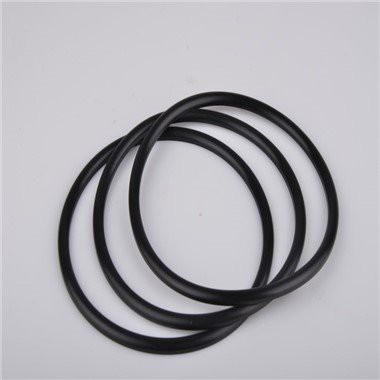

As a dedicated supplier of hollow O - rings, I am often asked about the compatibility of these versatile sealing components with different groove materials. In this blog, I'll delve into the science behind hollow O - rings and their applicability across various groove materials.
Understanding Hollow O - Rings
Hollow O - rings are a unique type of sealing element. Unlike traditional solid O - rings, they have a hollow center, which gives them distinct properties. This design allows them to compress more easily under pressure, making them suitable for applications where a lower sealing force is required or where there are significant variations in the mating surfaces.
The materials used to manufacture hollow O - rings are diverse. Common materials include various types of rubber, such as nitrile rubber (NBR), ethylene propylene diene monomer (EPDM), and fluorocarbon rubber (FKM). Each material has its own set of characteristics, such as chemical resistance, temperature tolerance, and durability. For instance, NBR is known for its good resistance to oil and fuel, making it a popular choice in automotive and industrial applications. EPDM, on the other hand, offers excellent weather and ozone resistance, making it suitable for outdoor and environmental applications. FKM is highly resistant to high temperatures and aggressive chemicals, which is ideal for demanding chemical processing and aerospace applications.
Compatibility with Different Groove Materials
Metal Grooves
Metal is one of the most common materials used for O - ring grooves. Metals like aluminum, steel, and stainless steel are widely employed due to their strength, durability, and machinability. When using hollow O - rings in metal grooves, the key consideration is the potential for corrosion and wear.
Aluminum grooves are lightweight and have good thermal conductivity. However, they are relatively soft compared to other metals and can be prone to scratching. When using a hollow O - ring in an aluminum groove, it's important to ensure that the O - ring material is compatible with aluminum to prevent galvanic corrosion. For example, some rubber compounds may contain sulfur, which can react with aluminum over time. Selecting a sulfur - free rubber compound, such as EPDM, can help avoid this issue.
Steel and stainless - steel grooves are stronger and more resistant to wear. They are commonly used in high - pressure and high - temperature applications. Hollow O - rings made from materials like FKM can provide an excellent seal in these grooves, as they can withstand the harsh conditions associated with steel and stainless - steel environments. However, it's crucial to consider the surface finish of the metal groove. A rough surface can damage the O - ring, reducing its sealing performance and lifespan. A smooth, polished surface is generally recommended for optimal sealing.
Plastic Grooves
Plastic grooves are becoming increasingly popular due to their low cost, lightweight, and ease of manufacturing. Materials like polycarbonate, polyethylene, and polypropylene are commonly used. When using hollow O - rings in plastic grooves, the main concern is the chemical compatibility between the O - ring and the plastic.
Some plastics may be sensitive to certain chemicals present in rubber compounds. For example, polycarbonate can be attacked by solvents and oils, which may be present in some types of rubber. Therefore, it's essential to select an O - ring material that is compatible with the specific plastic. EPDM is often a good choice for plastic grooves, as it has good chemical resistance and is less likely to cause damage to the plastic.
Another consideration with plastic grooves is their dimensional stability. Plastics can expand and contract with changes in temperature and humidity. Hollow O - rings need to be able to accommodate these dimensional changes without losing their sealing ability. The flexibility of hollow O - rings makes them well - suited for this purpose, as they can compress and expand more easily than solid O - rings.


Composite Grooves
Composite materials are made by combining two or more different materials to achieve specific properties. They are often used in applications where a combination of strength, lightweight, and corrosion resistance is required. When using hollow O - rings in composite grooves, the compatibility of the O - ring with the individual components of the composite needs to be evaluated.
For example, a composite groove may consist of a fiber - reinforced plastic matrix. The fibers can provide strength, while the plastic matrix can offer chemical resistance. The O - ring material needs to be compatible with both the fibers and the plastic matrix. Additionally, the surface finish of the composite groove can be more complex than that of a metal or plastic groove. Special attention should be paid to ensuring that the O - ring can form a proper seal on the composite surface.
Case Studies
Let's look at a few real - world examples to illustrate the use of hollow O - rings in different groove materials.
In an automotive engine, a hollow O - ring made of NBR is used in an aluminum groove to seal the oil pan. The NBR material provides good oil resistance, while the hollow design allows for easy compression and a reliable seal. The O - ring is able to withstand the vibrations and temperature variations associated with engine operation, ensuring that the oil does not leak.
In a chemical processing plant, a hollow O - ring made of FKM is used in a stainless - steel groove to seal a high - pressure valve. The FKM material can withstand the aggressive chemicals and high temperatures present in the plant, while the stainless - steel groove provides the necessary strength and durability. The smooth surface finish of the stainless - steel groove helps to maintain the integrity of the O - ring, ensuring a long - lasting seal.
In a consumer electronics device, a hollow O - ring made of EPDM is used in a polycarbonate groove to provide a waterproof seal. The EPDM material is compatible with the polycarbonate, and its flexibility allows it to compensate for any dimensional changes in the plastic groove due to temperature and humidity variations. This ensures that the device remains protected from moisture and dust.
Our Product Range
As a leading supplier of hollow O - rings, we offer a wide range of products to meet the diverse needs of our customers. Our Walnut Hollow O - ring Replacements are designed to provide a perfect fit and reliable sealing performance. These replacements are made from high - quality materials and are available in various sizes to suit different applications.
Our Hollow Rubber O - rings come in a variety of rubber compounds, including NBR, EPDM, and FKM. This allows our customers to select the most suitable material for their specific groove materials and application requirements. Whether it's a metal, plastic, or composite groove, our hollow rubber O - rings can provide an effective seal.
We also offer Spliced Hollow O - rings, which are ideal for applications where a continuous O - ring is not feasible. The splicing process ensures a strong and reliable joint, maintaining the integrity of the seal.
Conclusion
In conclusion, hollow O - rings can be used in applications with different groove materials, but careful consideration must be given to the compatibility between the O - ring and the groove material. Factors such as chemical resistance, temperature tolerance, and surface finish all play a crucial role in determining the suitability of a hollow O - ring for a particular application.
As a supplier, we are committed to providing our customers with high - quality hollow O - rings that are tailored to their specific needs. If you are looking for reliable sealing solutions for your applications, we invite you to contact us for more information and to discuss your procurement requirements. Our team of experts is ready to assist you in selecting the right hollow O - ring for your groove materials and ensuring a successful sealing application.
References
- "Sealing Technology Handbook" by Robert K. Jensen
- "Rubber Technology: Compounding, Testing, and Applications" by Werner Hofmann
- Various industry standards and technical documents related to O - ring manufacturing and application.