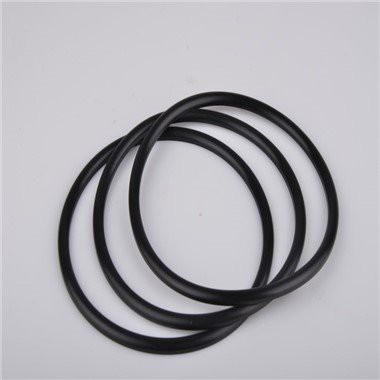

Can EPDM rubber rings be used in pharmaceutical manufacturing? That's a question I get asked a lot as an EPDM rubber ring supplier. I'm here to break it down for you and share everything you need to know about using EPDM rubber rings in the pharmaceutical world.
First off, let's talk about what EPDM rubber is. EPDM stands for Ethylene Propylene Diene Monomer. It's a synthetic rubber that's known for its excellent resistance to weather, ozone, and heat. It also has good electrical insulation properties and is resistant to many chemicals. These characteristics make EPDM a popular choice for a wide range of applications, from automotive to construction.
But when it comes to pharmaceutical manufacturing, there are some strict requirements that materials need to meet. The pharmaceutical industry is highly regulated, and for good reason. The safety and efficacy of medications depend on the quality of the materials used in their production. So, can EPDM rubber rings meet these high - standards?
One of the most important aspects in pharmaceutical manufacturing is the ability of materials to be clean and non - reactive. EPDM rubber has some great features in this regard. It has low extractables, which means that when it comes into contact with pharmaceutical products or cleaning agents, very few substances will leach out from the rubber. This is crucial because any foreign substances that get into the medication can potentially affect its quality and safety.
Another plus for EPDM rubber rings is their resistance to a variety of chemicals commonly used in pharmaceutical manufacturing. Many cleaning agents, solvents, and disinfectants are used in the production facilities to maintain a sterile environment. EPDM can withstand exposure to these chemicals without degrading or losing its physical properties. For example, it can resist the effects of mild acids and alkalis, which are often used in the cleaning and sterilization processes.
In addition to chemical resistance, EPDM rubber rings also have good sealing properties. In pharmaceutical manufacturing, proper sealing is essential to prevent contamination. Whether it's in a mixing tank, a filling machine, or a storage container, a reliable seal can keep out dust, moisture, and microorganisms. EPDM rubber can form a tight seal even under different pressures and temperatures, ensuring the integrity of the pharmaceutical products.
Now, let's look at some of the specific types of EPDM rubber rings that might be used in pharmaceutical manufacturing. The Insulated Rubber O - ring is one option. These o - rings are designed to provide electrical insulation, which can be important in some pharmaceutical equipment where electrical components are present. They can also help in maintaining a stable environment within the equipment by preventing heat transfer in some cases.
The Standard As568 Usa O Ring Sizing Chart is a useful reference when it comes to choosing the right size of EPDM rubber rings. In pharmaceutical manufacturing, precision is key, and having the correct size of o - rings ensures a proper fit and effective sealing. This sizing chart helps manufacturers and suppliers to select the appropriate dimensions for their specific applications.
Then there's the Delta O Ring. Delta o - rings have a unique shape that can offer better sealing performance in some situations compared to traditional o - rings. They can be used in applications where there are high pressures or where a more complex sealing geometry is required.
However, it's not all rosy. There are also some challenges when using EPDM rubber rings in pharmaceutical manufacturing. One of the main issues is the potential for microbial growth. Although EPDM is relatively resistant to chemicals, if it's not properly cleaned and maintained, bacteria and fungi can start to grow on its surface. This is why strict cleaning and sterilization protocols need to be in place.
Another concern is the long - term durability of EPDM rubber rings. Over time, exposure to high temperatures, chemicals, and mechanical stress can cause the rubber to degrade. This can lead to a loss of sealing performance and potentially contaminate the pharmaceutical products. So, regular inspection and replacement of EPDM rubber rings are necessary to ensure the safety and quality of the manufacturing process.
Despite these challenges, with proper management and quality control, EPDM rubber rings can be a great choice for pharmaceutical manufacturing. They offer a combination of chemical resistance, sealing properties, and low extractables that are hard to beat.


If you're in the pharmaceutical manufacturing business and are considering using EPDM rubber rings, I'd love to have a chat with you. We can discuss your specific needs, such as the type of equipment you're using, the chemicals involved, and the operating conditions. I can provide you with high - quality EPDM rubber rings that meet the strict requirements of the pharmaceutical industry. Don't hesitate to reach out for a consultation on your EPDM rubber ring needs. We can work together to find the best solutions for your manufacturing processes.
References
- ASTM International standards related to rubber materials in industrial applications
- Pharmaceutical manufacturing guidelines and regulations from relevant authorities
- Technical literature from rubber material manufacturers on EPDM properties and applications