


Can a solid O - ring be used in fuel systems?
As a solid O - ring supplier, I often encounter inquiries about the suitability of solid O - rings for fuel systems. This topic is of great significance as fuel systems demand high - performance sealing components to ensure safety, efficiency, and reliability. In this blog, we'll explore whether solid O - rings can be used in fuel systems, considering various aspects such as material compatibility, performance requirements, and industry standards.
Material Compatibility
One of the most critical factors when using solid O - rings in fuel systems is material compatibility. Different types of fuels, such as gasoline, diesel, ethanol - blended fuels, and biofuels, have distinct chemical properties. For example, gasoline is a complex mixture of hydrocarbons, while ethanol - blended fuels contain alcohol, which can be more aggressive towards certain rubber materials.
Nitrile rubber (NBR) is a commonly used material for solid O - rings in fuel systems. It offers good resistance to a wide range of fuels, including gasoline and diesel. NBR has excellent mechanical properties, such as high tensile strength and abrasion resistance, which are essential for withstanding the harsh conditions inside a fuel system. However, when it comes to ethanol - blended fuels, NBR may experience swelling and degradation over time. In such cases, fluorocarbon rubber (FKM) is a better choice. FKM has superior chemical resistance to a variety of fuels, including those with high ethanol content. It can maintain its physical properties even when exposed to aggressive chemicals, making it suitable for modern fuel systems that often use ethanol - blended fuels.
Silicone rubber is another option, but it has limited use in fuel systems. While silicone has good temperature resistance, its chemical resistance to fuels is relatively poor. It can absorb fuel, leading to swelling and loss of sealing performance. Therefore, silicone O - rings are generally not recommended for direct contact with fuels.
Performance Requirements
Fuel systems operate under various conditions, including high pressure, temperature fluctuations, and vibration. Solid O - rings must be able to meet these performance requirements to ensure proper sealing.
In terms of pressure resistance, O - rings need to be able to withstand the internal pressure of the fuel system without leaking. The design and material of the O - ring play crucial roles in determining its pressure - bearing capacity. For high - pressure fuel systems, such as those in diesel engines, O - rings with a proper cross - sectional shape and a high - strength material are required. For example, a square - cross - section O - ring may provide better sealing performance under high pressure compared to a standard round - cross - section O - ring.
Temperature is another important factor. Fuel systems can experience significant temperature changes, from cold starts to high - temperature operation. O - rings need to maintain their elasticity and sealing performance over a wide temperature range. FKM and NBR can operate within a relatively wide temperature range, but FKM has a higher upper - temperature limit, making it more suitable for high - temperature applications.

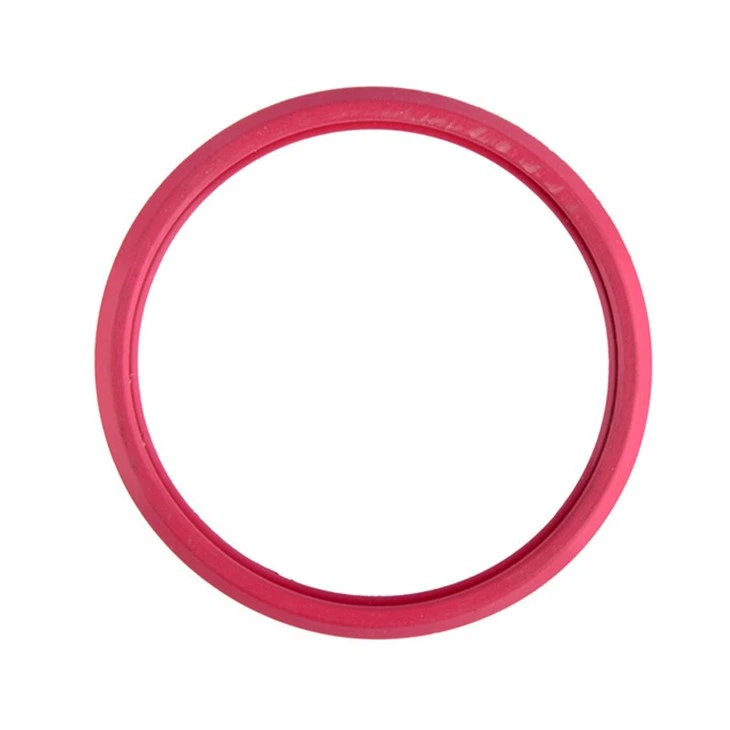
Vibration is also a challenge in fuel systems. Engines produce vibrations that can cause the O - ring to move and shift, potentially leading to leakage. O - rings need to have good damping properties to absorb vibrations and maintain a stable seal. The material's hardness and elasticity are important factors in determining its vibration - damping ability.
Industry Standards
The use of solid O - rings in fuel systems is regulated by various industry standards. These standards ensure the safety and performance of fuel systems. For example, the Society of Automotive Engineers (SAE) has established standards for O - rings used in automotive fuel systems. These standards specify the material requirements, dimensions, and performance criteria for O - rings.
Compliance with industry standards is essential for O - ring suppliers. It not only ensures the quality of the products but also provides customers with confidence in the reliability of the O - rings. As a solid O - ring supplier, we are committed to meeting these standards and providing our customers with high - quality O - rings that are suitable for fuel systems.
Our Product Range
We offer a wide range of solid O - rings that are suitable for different types of fuel systems. Our Flat Rubber O Rings are designed for applications where a flat sealing surface is required. They provide excellent sealing performance and can be customized to meet specific customer requirements.
Our Standard And Non - standard Size Rubber O - ring range includes O - rings in various sizes and materials. Whether you need a standard - size O - ring for a common fuel system or a non - standard size for a special application, we can provide the right solution.
In addition, we also offer O Ring Molded Gasket. These gaskets are custom - molded to fit specific shapes and sizes, providing a precise and reliable seal in fuel systems.
Conclusion
In conclusion, solid O - rings can be used in fuel systems, but the choice of material, design, and compliance with industry standards are crucial. By selecting the right material based on the type of fuel and operating conditions, and ensuring that the O - ring meets the performance requirements and industry standards, solid O - rings can provide effective sealing in fuel systems.
If you are looking for high - quality solid O - rings for your fuel system, we are here to help. Our team of experts can assist you in selecting the most suitable O - ring based on your specific requirements. Contact us today to start a procurement discussion and find the perfect sealing solution for your fuel system.
References
- "Sealing Technology Handbook" by John H. Bickford
- "Rubber Technology" by Maurice Morton
- SAE Standards for Automotive Fuel Systems


