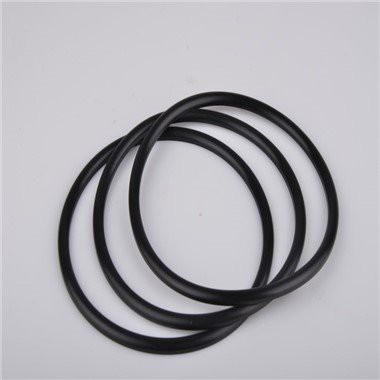

Are small rubber O - rings flammable? This is a question that often pops up in various industries and applications where these tiny yet crucial components are used. As a supplier of small rubber O - rings, I've encountered this query numerous times from customers across different sectors. In this blog post, I'll delve into the flammability of small rubber O - rings, exploring the factors that influence it and providing some insights for those who are concerned about safety and performance.
Understanding Small Rubber O - Rings
Small rubber O - rings are simple yet highly effective sealing devices. They are used in a wide range of applications, from automotive engines and plumbing systems to electronic devices and aerospace equipment. These O - rings come in different materials, including natural rubber, synthetic rubbers like nitrile, silicone, and fluorocarbon, each with its own set of properties and characteristics.
The choice of material depends on the specific requirements of the application, such as temperature resistance, chemical compatibility, and pressure tolerance. For example, Silicone Rubber O - ring is known for its excellent high - temperature resistance and flexibility, making it suitable for applications where exposure to heat is a concern. On the other hand, nitrile rubber O - rings are often used in applications involving oils and fuels due to their good chemical resistance.
Flammability of Rubber
To understand whether small rubber O - rings are flammable, we first need to understand the general flammability of rubber materials. Rubber is an organic polymer, and like most organic materials, it has the potential to burn. However, the degree of flammability varies depending on the type of rubber and its composition.
Natural rubber, which is derived from the latex of rubber trees, is relatively flammable. It has a low ignition temperature and can burn easily when exposed to an open flame or a source of high heat. When natural rubber burns, it releases a large amount of heat, smoke, and potentially toxic gases.
Synthetic rubbers, on the other hand, have different flammability characteristics. Some synthetic rubbers, such as neoprene, are formulated to be flame - resistant. Neoprene contains chlorine atoms in its molecular structure, which gives it self - extinguishing properties. When exposed to a flame, neoprene will burn only as long as the flame is present and will stop burning once the flame is removed.
Silicone rubber is another synthetic rubber with interesting flammability properties. It has a relatively high ignition temperature and can withstand high temperatures without burning. However, under extreme conditions, such as exposure to very high heat or an intense flame, silicone rubber can start to burn. When it burns, it produces silica ash instead of large amounts of smoke and toxic gases, which is an advantage in some applications.
Factors Affecting the Flammability of Small Rubber O - Rings
Several factors can affect the flammability of small rubber O - rings. These include:
Material Composition
As mentioned earlier, the type of rubber used in the O - ring is a major factor. Different rubber materials have different chemical structures and properties, which determine their flammability. For example, rubber O - rings made from highly flammable materials like natural rubber will be more likely to catch fire than those made from flame - resistant materials like neoprene.
Additives
Rubber manufacturers often add various additives to improve the performance of the rubber. Some of these additives can affect the flammability of the O - ring. For example, flame retardant additives can be added to make the rubber more resistant to burning. These additives work by either releasing non - flammable gases when heated or by forming a protective char layer on the surface of the rubber, which prevents further combustion.
Environmental Conditions
The environment in which the O - ring is used can also affect its flammability. High temperatures, the presence of oxygen, and the proximity to a source of ignition are all important factors. For example, an O - ring used in a high - temperature environment will be more likely to catch fire than one used in a cooler environment. Similarly, an O - ring exposed to an open flame or a spark is at a higher risk of burning.
Applications and Flammability Concerns
In some applications, the flammability of small rubber O - rings is a critical concern. For example, in the aerospace and automotive industries, where safety is of utmost importance, flame - resistant O - rings are often required. These industries have strict regulations and standards regarding the flammability of materials used in their products.
In the aerospace industry, O - rings are used in various components, such as fuel systems and hydraulic systems. Any fire in these systems can have catastrophic consequences. Therefore, O - rings used in aerospace applications are typically made from materials that are highly resistant to burning, such as fluorocarbon rubber.


In the automotive industry, O - rings are used in engines, transmissions, and fuel systems. These systems generate a lot of heat, and there is a risk of fire if the O - rings are not flame - resistant. Automotive manufacturers often specify the use of flame - retardant O - rings to ensure the safety of their vehicles.
On the other hand, in some less critical applications, such as home plumbing systems or consumer electronics, the flammability of O - rings may not be as much of a concern. However, it is still important to choose the right type of O - ring based on the specific requirements of the application. For those interested in O - rings for home use, Rubber O - ring For Home Depot offers a variety of options.
Standards and Regulations
There are several standards and regulations related to the flammability of rubber materials. For example, the As568 O Ring Standard provides specifications for the dimensions and materials of O - rings. While this standard does not specifically address flammability, it does require that the materials used in O - rings meet certain performance criteria.
In addition, there are industry - specific standards and regulations that govern the flammability of materials used in different applications. For example, the Federal Aviation Administration (FAA) has strict regulations regarding the flammability of materials used in aircraft. Manufacturers must ensure that the O - rings they use in aircraft components meet these regulations.
Choosing the Right Small Rubber O - Ring
When choosing a small rubber O - ring, it is important to consider its flammability, especially if the application involves a risk of fire. Here are some tips to help you choose the right O - ring:
- Understand the Application Requirements: Determine the temperature, pressure, and chemical environment in which the O - ring will be used. This will help you choose a material that is suitable for the application.
- Consider the Flammability: If the application has a high risk of fire, choose a flame - resistant material such as neoprene or fluorocarbon rubber. If the risk of fire is low, you may be able to use a less expensive and more common material like natural rubber or nitrile rubber.
- Check for Flame Retardant Additives: Look for O - rings that have been treated with flame retardant additives. These additives can significantly improve the fire resistance of the O - ring.
- Comply with Standards and Regulations: Make sure that the O - ring you choose meets the relevant standards and regulations for your application.
Conclusion
In conclusion, the flammability of small rubber O - rings depends on several factors, including the type of rubber, the presence of additives, and the environmental conditions. While some rubber materials are more flammable than others, it is possible to choose O - rings that are resistant to burning by selecting the right material and considering the specific requirements of the application.
As a supplier of small rubber O - rings, I understand the importance of providing high - quality products that meet the needs of my customers. Whether you are looking for a flame - resistant O - ring for a critical application or a standard O - ring for a less demanding application, I can help you find the right solution. If you have any questions or need more information about our small rubber O - rings, please feel free to contact me for a procurement discussion.
References
- "Rubber Technology: Compounding, Mixing, and Vulcanization" by Fred W. Billmeyer Jr.
- "Handbook of Elastomers" edited by Bhupendra K. Gupta.
- Industry standards and regulations related to rubber O - rings, such as the As568 O Ring Standard.